
Plants
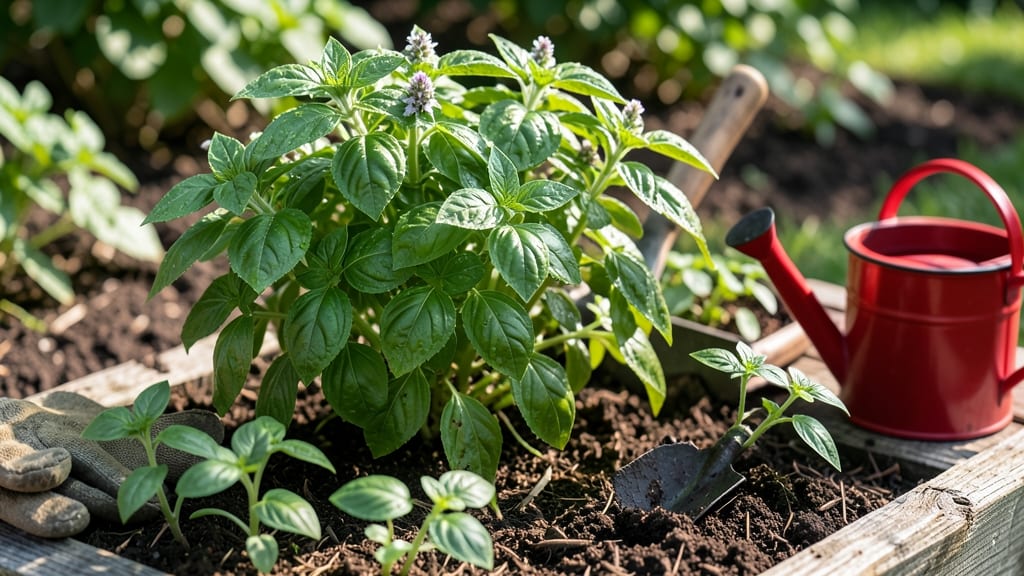
Planting basil in Missouri isn’t just about throwing seeds in the dirt—it’s about outsmarting the unpredictable spring frosts that can turn your garden dreams into a sad, wilted memory. The key? Timing your 🌿 basil just right, when soil temps hit 60°F and the last frost has finally passed.
Missouri’s 5b-6b growing zones mean you’ve got a narrow window—typically between April 15 and May 15—to get basil in the ground before summer’s brutal heat kicks in. Get it wrong, and you’ll either lose your plants to frost or watch them bolt too fast for flavorful harvests.
I’ve grown basil in Missouri for years, and I’ll show you exactly when to start seeds indoors (for a head start) and when to plant directly outside (after May 15).
Plus, I’ll share my tricks for keeping basil thriving through 90°F+ heat waves—because nobody wants a sad, leggy plant when summer hits.
By the end, you’ll know the perfect schedule for your zone, whether you’re in St. Louis, Kansas City, or rural Missouri. Let’s get your basil growing strong so you can harvest fresh leaves all season long.
Missouri basil planting timeline: frost dates, soil temps & heat requirements
Missouri’s last frost date varies dramatically—St. Louis averages April 15, while rural areas like Southeast Missouri can see frost until May 1. For basil, which hates cold, timing is everything.
Plant too early, and frost will kill your seedlings; too late, and summer heat arrives before you get harvests. The ideal window is after April 20 in most regions, but soil temperature matters more than calendar dates.
Basil thrives when soil hits 60-70°F. Use a soil thermometer—if it’s below 55°F, wait. In Northern Missouri (Zone 5b), this often means delaying until May 10-15.
Southern Missouri (Zone 6b) can start as early as April 25. Pro tip: Check your local Missouri Botanical Garden frost maps for precise dates.
Missouri’s summer heat (90°F+) can stress basil, but the real enemy is early bolting—when plants flower prematurely. To avoid this, aim for 6-8 weeks of warm weather after planting.
If you start too late, your basil may flower before you harvest enough leaves. Balance is key: plant after frost but before July 1.
Here’s your Missouri basil planting timeline broken down by region and soil conditions:
| Region | Last Frost Date | Ideal Planting Window | Soil Temp Requirement | Harvest Window |
|---|---|---|---|---|
| Northern MO (St. Louis, Columbia) | April 15 | May 10–15 | 60–70°F | June–September |
| Central MO (Jefferson City, Springfield) | April 20 | April 25–May 10 | 55–65°F | May–October |
| Southern MO (Southeast, Ozarks) | March 25–April 10 | April 15–25 | 50–60°F | April–November |
| Rural/High Elevation | May 1 | May 15–June 1 | 65–75°F | July–September |
If you’re starting seeds indoors, begin 4-6 weeks before your last frost date. For St. Louis, that’s mid-March; for rural areas, late March to early April.
Use grow lights if natural light is weak—basil seedlings stretch without enough light. Harden off seedlings for 7-10 days before transplanting to avoid shock.
For direct sowing outdoors, wait until soil is warm and nighttime temps stay above 50°F. In Missouri, this usually means after May 15 in most zones. Direct-sown basil germinates faster in warm soil, but it’s riskier if a late frost hits.
To hedge your bets, plant a few extra seeds—you can always thin later.
Missouri’s humidity and heat waves can stress basil, but proper timing mitigates risks. If you plant in early May, you’ll have 4-5 months of harvests before summer’s intensity peaks.
Avoid planting after June 15—your basil may bolt before you enjoy it. Instead, sow a second crop in late July for a fall harvest.
Pro tip: Use black plastic mulch to warm soil faster in spring. It also suppresses weeds and retains moisture—critical for basil’s consistent water needs. Just
Missouri’s microclimates mean your neighbor’s success might not match yours. Check your local weather station for 10-day forecasts before planting. If a cold snap is predicted, cover seedlings with frost cloth or move pots indoors temporarily.
Indoor starts vs. direct sowing: which method wins in Missouri’s climate?
Missouri’s unpredictable spring weather forces gardeners to choose between two basil planting strategies: starting seeds indoors or sowing directly outdoors. Both methods work, but your local last-frost date and summer heat tolerance will determine the winner for your garden.
Indoor starts give you a 4-6 week head start before the last frost, which is especially helpful in northern Missouri (Zone 5b). By late March or early April, you can begin seeds under grow lights or on a sunny windowsill.
This method also lets you harden off seedlings gradually, reducing transplant shock when moving them outdoors.
- ✅ Earlier harvests (4-6 weeks ahead)
- ✅ More control over growing conditions
- ✅ Better for cool springs (Zone 5b)
- ✅ Simpler process (no transplanting)
- ✅ Stronger root systems adapted to local soil
- ✅ Best for warm springs (Zone 6b+)
Direct sowing is ideal for southern Missouri (Zone 6b) where springs warm up faster. After your average last frost date (April 15-May 15), simply scatter seeds in well-prepared soil. This method avoids transplant shock entirely and often produces hardier plants that adapt better to Missouri’s humid summers.
For both methods, soil temperature is critical—wait until it reaches at least 50°F (10°C) before planting. In Missouri, this usually aligns with late April to early May, but rural areas may lag behind cities like St. Louis or Kansas City by 1-2 weeks.
My personal recommendation? Start with indoor seedlings if you’re in Zone 5b, but direct sow if you’re in Zone 6b or have a microclimate with early warming. For extra insurance, I always plant half indoors and half outdoors—this way, I get two harvests instead of one!
Pro tip: If you choose direct sowing, wait until May 15 at the earliest—this gives late frosts time to pass and ensures your basil gets enough warmth to establish roots before summer’s heat arrives. 🌱