
Plants
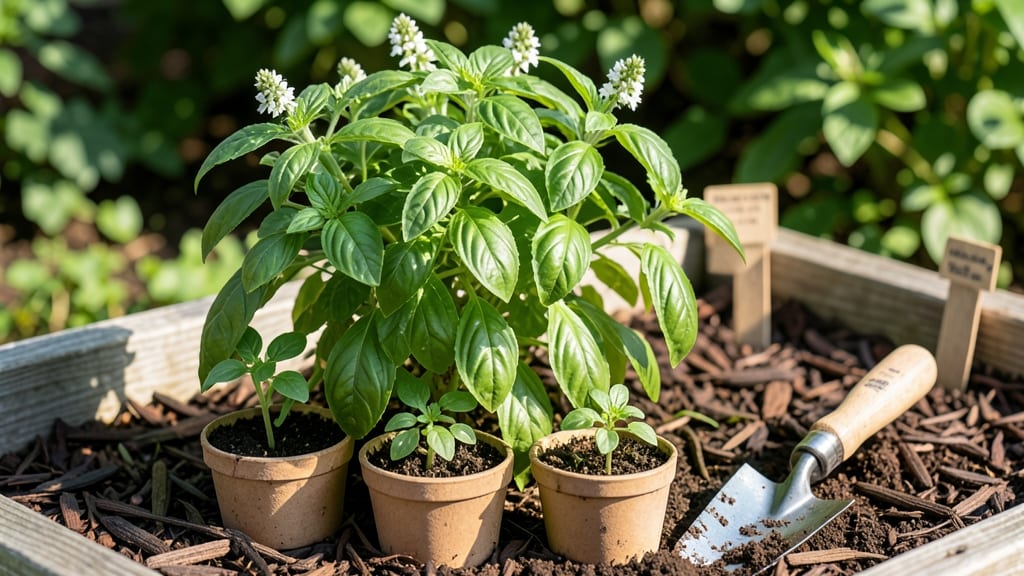
Planting basil in Ohio at the wrong time can mean the difference between a thriving 🌿 herb garden and a sad, wilted disappointment. The key to success? Timing it right after the last frost—usually around mid-April—when soil temperatures finally hit that sweet spot for germination.
Ohio’s 6a climate throws a curveball with unpredictable spring weather, but knowing your region’s frost-free window is the first step. Whether you’re starting seeds indoors or transplanting young plants, getting this right ensures your basil grows strong and flavorful all summer long.
I’ll break down exactly when to plant, how to check soil warmth, and even share tricks like using row covers to extend your growing season. No more guessing—just lush, aromatic basil ready for your kitchen by June.
Ready to grow basil that’s bushier and more productive? Let’s dive into the perfect planting schedule for Ohio’s unique growing conditions.
Ohio’s frost-free dates for basil: exact planting windows by region
Ohio’s last frost dates vary dramatically—from early April in southern regions like Cincinnati to late May in the northern Ohio Valley. For basil, which hates frost, timing is everything.
Planting too early risks frost damage, while waiting too late cuts your harvest window. Let’s break down Ohio’s microclimates and the best planting windows for each zone.
Use the USDA Plant Hardiness Zone Map to find your exact zone—most of Ohio falls in Zone 5b-6a. Southern Ohio (like Columbus) typically sees its last frost by April 15, while northern areas (like Toledo) may wait until May 1.
Always check local weather forecasts for real-time updates, as Ohio’s spring can be unpredictable.
Pro Tip: Plant basil seeds indoors 4-6 weeks before your last frost date. This gives you a head start and lets you transplant hardened-off seedlings as soon as the soil warms. For direct sowing, wait until the soil temperature hits at least 50°F—a critical threshold for germination.
| Region | Avg. Last Frost | Ideal Planting Window | Extension Tricks |
|---|---|---|---|
| Southern Ohio (Cincinnati, Columbus) | April 15 | Mid-April to early May | Row covers for early starts |
| Central Ohio (Dayton, Cleveland) | April 25 | Late April to mid-May | Black plastic mulch for warmth |
| Northern Ohio (Toledo, Akron) | May 10 | Late May to early June | Cold frames for early seedlings |
| All Regions | N/A | Succession plant every 2 weeks | Harvest before first frost |
Ohio’s first frost typically arrives around October 15, but don’t let that stop you from growing basil! Use row covers or move potted plants indoors to extend your harvest. Basil thrives in containers, making it perfect for balcony gardens or windowsills.
Warning: Avoid planting basil before the soil warms—cold soil slows germination and invites fungal diseases. Test soil temperature with a soil thermometer (or press your hand into the soil; if it’s too cold for your comfort, it’s too cold for basil seeds).
For a longer harvest, try succession planting: Sow new seeds every 2-3 weeks until early July. This ensures a steady supply of fresh basil leaves all summer long. Pair this with regular pruning to keep plants bushy and productive.
If you’re in a cooler microclimate, consider container growing. Pots warm up faster and can be moved to sunnier spots or indoors when nights get chilly. Just ensure they have drainage holes to prevent root rot.
Remember, basil is a warm-season herb, so patience pays off. Rush the process, and you’ll end up with stunted plants or worse—frost-killed seedlings. Stick to the frost-free window, and you’ll reward yourself with bountiful harvests all season.
Soil temperature and warmth tricks to jumpstart basil growth
Basil is a heat-loving herb that refuses to thrive in cold soil—even if air temperatures feel spring-like. In Ohio, soil warmth is more critical than air temperature, and waiting for the right conditions can mean the difference between fast germination and stunted growth.
Most basil varieties need soil to reach at least 50°F (10°C) before planting, but warmer is always better for speedy starts.
Testing soil temperature is easier than you think. Use a soil thermometer (or a DIY version with a candy thermometer) to check 2-3 inches deep in the morning. If your soil is below 50°F, basil seeds may rot or take weeks to sprout.
Pro tip: Mid-April is the earliest I’d risk planting in most of Ohio, but northern regions should wait until late April or early May.
Planting basil in cold soil (<45°F) triggers rot and fungal diseases. Even if frost risk is low, cold soil slows root development, making plants vulnerable to damping-off—a deadly fungal attack on seedlings.
🌱 Fix it: Wait until soil warms to 50°F+ or use black plastic mulch to raise temperatures by 5-10°F.
If you’re eager to get a head start, warm your soil with these Ohio-proven tricks. Lay down black plastic mulch 1-2 weeks before planting to absorb sunlight and raise temperatures. For containers, place them on a heat mat or fill pots with compost tea to add warmth.
Another hack? Plant basil near warm-season crops like tomatoes or peppers—their roots radiate heat, creating a microclimate perfect for basil.
For gardeners in Ohio’s Zone 6a, where frosts can linger into May, consider cold frames or row covers. These create a mini greenhouse effect, accelerating soil warming by 2-3 weeks.
I’ve seen basil sprouts emerge in just 5 days when using a clear plastic tunnel—versus the usual 10-14 days in unheated soil.
Don’t forget about container growing if your yard soil is slow to warm. Fill pots with well-draining potting mix and place them in a sunny spot (like a patio or deck). Containers heat up faster than garden beds, giving you a 2-week advantage over in-ground planting.
Just ensure pots have drainage holes to prevent root rot—a common killer of basil in Ohio’s humid summers.
Once your soil hits the sweet spot of 60-70°F, basil will explode with growth. Monitor soil moisture closely—warm soil dries out faster, and basil hates wet feet.
Water deeply in the morning to let excess moisture evaporate before evening, reducing fungal risks. With the right warmth and care, you’ll have harvest-ready basil in just 4-6 weeks**!