
Plants
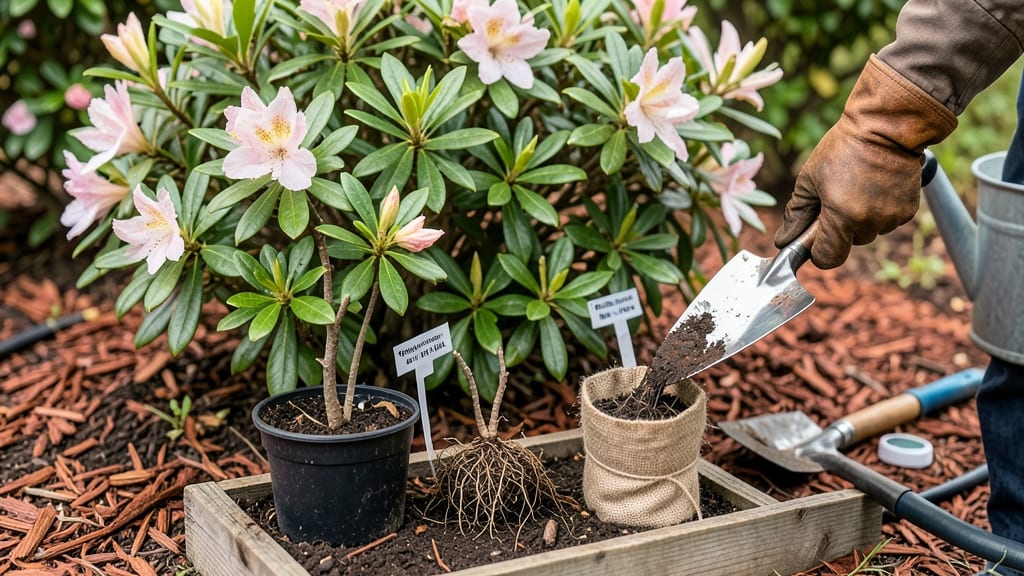
Planting azaleas in Atlanta at the wrong time can turn your dream garden into a sad, wilted mess—but getting the timing right means vibrant 🌸 blooms for years to come.
The key is understanding Atlanta’s unique climate, where fall and early spring offer the perfect balance of cool temperatures and moisture for root establishment.
Most gardeners make the mistake of planting too late in spring or too early in fall, risking heat stress or frost damage.
I’ve seen firsthand how a well-timed planting in October or November gives azaleas the best chance to thrive in Atlanta’s USDA Zone 7b-8a, where summer heat can be brutal for new plants.
What sets Atlanta apart from other regions is how microclimates—like the cooler north side versus the warmer south—can shift ideal planting windows by weeks. We’ll break down exactly when to plant for your specific neighborhood and how to prepare your soil for maximum success.
By the end, you’ll know not just when to plant, but how to set your azaleas up for lush growth and stunning spring blooms—without the guesswork that leads to failed plants. Let’s get started.
Best months to plant azaleas in Atlanta for maximum growth
Atlanta’s humid subtropical climate gives azaleas a fighting chance to thrive—but timing matters more than you think. The ideal planting window in Atlanta is a narrow 6-week stretch that aligns with soil temperatures and natural rainfall patterns.
Planting outside these windows often leads to transplant shock, stunted growth, or even death.
For best results, focus on two key periods: early fall (October-November) and early spring (February-March). These months offer cooler temperatures, higher humidity, and softer soil—perfect conditions for root establishment. Let’s break down why these months work and how to maximize success.
Fall planting (October-November) is my top recommendation for Atlanta gardeners. During this time, soil temperatures drop below 70°F, reducing stress on the plant. Plus, natural rainfall increases, giving your azaleas a head start without extra watering.
The 6-8 weeks before first frost (around November 15) is critical—enough time for roots to establish before winter dormancy.
Spring planting (February-March) works well too, but timing is tighter. Aim to plant 4-6 weeks before last frost (March 15 in Atlanta). This gives roots time to grow before the heat and drought of summer set in.
Avoid planting in late spring, as summer’s intensity can overwhelm newly transplanted azaleas.
Here’s what you absolutely must know about Atlanta’s planting windows:
| Planting Window | Best Months | Soil Temp Range | Key Benefits |
|---|---|---|---|
| Early Fall | October - November | 50-70°F | Cooler temps, natural rainfall, 6-8 weeks before frost |
| Early Spring | February - March | 45-65°F | Avoids summer heat, 4-6 weeks before last frost |
| Avoid | April - September | Above 75°F | High stress from heat/drought, poor root establishment |
Atlanta’s clay-heavy soils can be tricky for azaleas, which prefer well-draining, acidic soil (pH 4.5-6.0). Before planting, amend your soil with 2-3 inches of organic matter like compost or pine bark. This improves drainage and mimics the acidic forest floors azaleas naturally grow in.
Test your soil’s pH with a home testing kit—if it’s above 6.0, add sulfur or peat moss to lower it.
When selecting azaleas, opt for native varieties like Rhododendron canescens (Georgia azalea) or Rhododendron prinophyllum (early azalea), which thrive in Atlanta’s conditions. These varieties are drought-tolerant and pest-resistant once established. Avoid tropical varieties that need constant moisture—they’ll struggle in Atlanta’s hot summers and occasional droughts.
After planting, mulch heavily (3-4 inches) with pine straw or wood chips to retain moisture and regulate soil temperature. Water deeply but infrequently—aim for 1-2 gallons per shrub every 7-10 days during the first growing season.
The goal is to encourage deep root growth, not surface roots that dry out quickly.
One common mistake Atlanta gardeners make is planting azaleas in full sun locations. While they tolerate morning sun, afternoon sun in summer (especially in USDA Zone 8a areas) can scorch leaves.
Instead, choose partial shade spots with morning sun and afternoon shade, like under mature trees or on the east side of structures.
Remember: Patience is key with azaleas. It can take 2-3 years for newly planted shrubs to fully establish and bloom. But when they do, you’ll be rewarded with vibrant spring blooms that last for weeks—worth every ounce of effort!
Best months to plant azaleas in Atlanta for maximum growth
Atlanta’s USDA Zone 7b-8a climate offers two ideal windows for planting azaleas, but timing matters more than you might think. Fall (October-November) is my top recommendation because cooler temperatures and natural rainfall help roots establish before winter dormancy. Early spring (February-March) is a close second, giving plants a head start before summer heat arrives.
If you plant outside these windows, you risk transplant shock or heat stress. Atlanta’s summer heat can fry young azalea roots, while late spring planting may not give roots enough time to settle before winter.
The key is to align planting with soil temperatures below 70°F and moderate rainfall patterns.
Here’s how Atlanta’s climate affects your azalea planting schedule:
For fall planting, aim for October 1st to November 15th—this gives roots 6-8 weeks to establish before winter. The natural rainfall in Atlanta during these months reduces your watering workload. I always test soil moisture before planting; if it’s dry, water 2-3 days beforehand to prevent shock.
If you must plant in spring, prioritize February over March. March can bring unpredictable late frosts, and azaleas are particularly sensitive to cold snaps after new growth begins. For extra protection, choose southern exposures or microclimates near buildings that trap heat.
Pro tip: Amend Atlanta’s clay-heavy soil with peat moss or pine bark before planting. This improves drainage and mimics the acidic conditions azaleas love. After planting, mulch with 3-4 inches of pine straw to conserve moisture and regulate soil temperature.
Remember, azaleas thrive on consistency. Whether you plant in fall or spring, maintain even moisture and avoid full summer sun during their first year. With the right timing, you’ll see vibrant blooms within 2-3 years—worth the wait! 🌸