
Plants
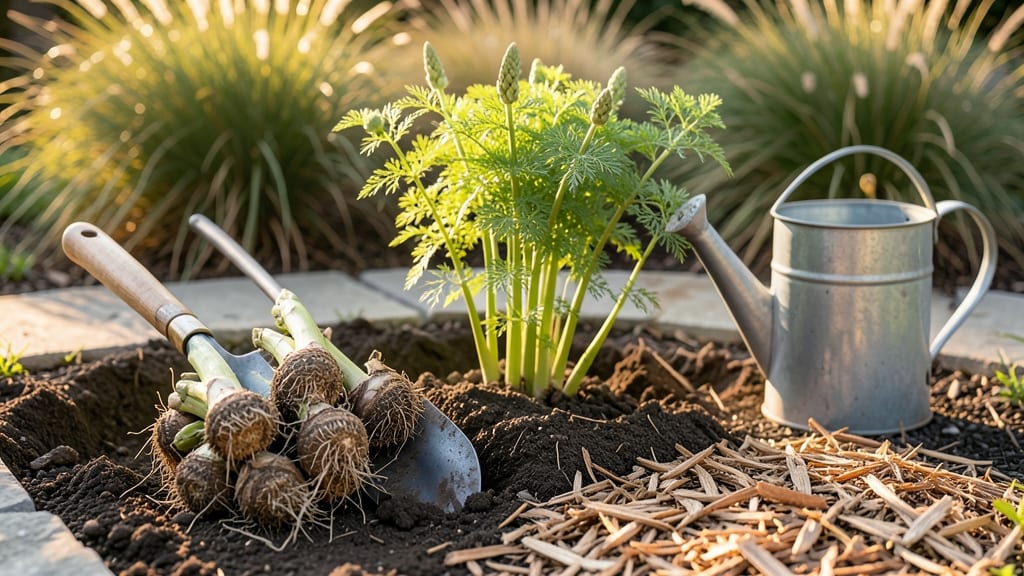
Planting asparagus in Tennessee at the wrong time can mean the difference between a bountiful harvest and wasted effort. The key window—when soil warms to 50-60°F—opens in early spring, but timing varies by region, from West Tennessee’s warmer microclimates to East Tennessee’s later frost dates.
Most gardeners in zones 6a-7b aim for March to April, but rushing too early risks frost damage to tender crowns. Meanwhile, waiting too long delays the 2-3 year wait for your first harvest.
The secret? Aligning your planting with local frost-free dates and soil conditions—something I’ve perfected after years of trial and error in Tennessee’s unpredictable spring weather.
In this guide, I’ll break down the exact planting windows for your area, soil prep tips to avoid Tennessee’s common pitfalls (like heavy clay), and how to protect your crop from late frosts.
Whether you’re starting with crowns or seeds, these steps will set you up for spears by next spring.
Ready to grow your own 🌱 asparagus? Let’s get your garden prepped for a harvest that’ll make your neighbors jealous—and your dinner table delicious.
Best planting times for asparagus in Tennessee by region
Tennessee’s diverse climate means your planting window for asparagus varies by region. West Tennessee’s warmer microclimates allow earlier planting, while East Tennessee’s cooler zones require waiting until soil warms. The key is planting when soil reaches 50-60°F—your asparagus crowns will thank you with faster root establishment and stronger spears.
For most of Tennessee (USDA zones 6a-7b), the ideal window is late March through early April. However, East Tennessee gardeners should wait until mid-April to avoid late spring frosts, which can kill tender shoots. West Tennessee’s earlier frost-free dates let you plant as early as February in protected microclimates.
Asparagus is a perennial crop, meaning it needs time to establish before producing spears. In Tennessee, you won’t harvest until year 2 or 3, so timing matters for long-term success. Planting too late delays your first harvest by a full year—don’t rush!
Here’s how Tennessee’s three regions break down for planting:
| Region | USDA Zone | Best Planting Window | Soil Temp Threshold | First Frost Risk |
|---|---|---|---|---|
| West Tennessee | 7a-7b | Late February - Early March | 50-60°F | Low (warmer microclimates) |
| Middle Tennessee | 6b-7a | Mid-March - Early April | 50-60°F | Moderate (late spring frosts possible) |
| East Tennessee | 6a-6b | Mid-April - Early May | 55-60°F (wait longer) | High (late frosts common) |
If you’re planting from seed (not recommended for beginners), start indoors 8-10 weeks before your last frost date. For Tennessee, this means sowing seeds in January-February for West Tennessee or February-March for East Tennessee. However, most gardeners opt for 1-year-old crowns for faster, more reliable results.
Pro tip: Use a soil thermometer to confirm your soil is ready. Asparagus roots struggle in cold soil, and waiting a few extra days ensures vigorous growth. In Tennessee’s clay-heavy soils, warming happens slower—plan accordingly!
For container growing, plant in late April to early May. Containers warm up faster, but they also dry out quicker, so monitor soil moisture closely. Choose compact varieties like 'Mary Washington' or 'Purple Passion' for smaller spaces.
Remember, asparagus thrives on patience. The first year is all about root development—no harvesting! Years 2 and 3 yield 20-30 spears per plant, but timing your planting right ensures you’re ready to harvest in April-June when spears are at their peak.
Don’t let Tennessee’s variable frost dates fool you. Check your local Almanac frost calendar and adjust your planting window by 2-3 weeks if your area tends toward later frosts. A little extra planning now means a bountiful harvest in just a few years! 🌱
How to prepare your Tennessee garden for asparagus success
Preparing your Tennessee garden for asparagus starts with understanding your soil type and climate zone. Most of Tennessee falls under USDA zones 6a-7b, where asparagus thrives with well-draining soil and full sun exposure.
However, Tennessee’s heavy clay soils in many regions can be a challenge—amending them properly is key to success.
Begin by testing your soil pH, which should be between 6.5 and 7.5 for optimal asparagus growth. If your soil is too acidic, add lime; if it’s alkaline, incorporate sulfur or peat moss.
Tennessee’s humidity also means you’ll need to focus on air circulation to prevent fungal diseases.
- Remove weeds and debris from your planting area.
- Test soil pH using a home test kit or send a sample to your local extension office.
- Mix in 2-3 inches of compost or well-rotted manure.
- Add sand or perlite to improve drainage.
- Select a sunny spot with at least 6-8 hours of sunlight daily.
- Avoid low-lying areas where cold air pools.
- Dig a 12-inch-deep trench if planting crowns.
- Loosen soil to a depth of 12-18 inches for root establishment.
- Apply 2-3 inches of mulch (straw or wood chips) after planting.
- Keep mulch 3-4 inches away from plant stems to prevent rot.
Asparagus plants are perennial, meaning they’ll produce for 10-15 years if cared for properly. In Tennessee, focus on early spring planting (March-April) when soil temperatures reach 50-60°F.
This timing ensures your plants establish roots before the heat of summer arrives. Avoid planting in late spring or summer, as the heat can stress young plants.
One common mistake Tennessee gardeners make is over-fertilizing with nitrogen, which encourages leafy growth at the expense of spears. Instead, use a balanced fertilizer (like 5-10-10) at planting and again in early spring. Phosphorus is especially important for root development, so prioritize it in your soil amendments.
Finally, consider crop rotation if you’ve grown asparagus in the same spot before. Asparagus is a heavy feeder and can deplete soil nutrients over time. Rotating with legumes or brassicas helps restore soil health for future plantings.
With the right preparation, your Tennessee garden will be ready to support a bountiful asparagus harvest in just 2-3 years. Start early, amend your soil, and give your plants the care they need to thrive in Tennessee’s unique climate! 🌱