
Plants
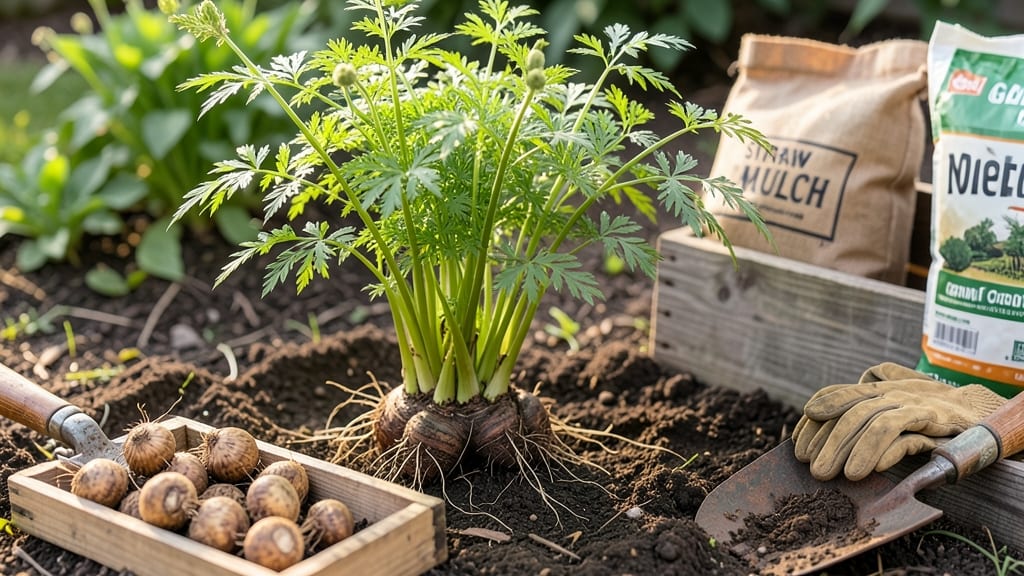
Planting asparagus in Utah’s 5b-7a zones might seem tricky with its dramatic temperature swings, but getting the timing right means years of homegrown harvests—not just a one-season wonder.
The secret lies in those crisp early spring mornings when the soil warms but the air stays cool, creating the perfect window for 🌱 asparagus crowns to take root before summer’s heat arrives.
Most Utah gardeners swear by early spring planting (March–April), when the ground thaws but frost still lingers—a sweet spot for cold-hardy varieties like 'Mary Washington' to establish roots before the real heat hits.
But if you’re in Southern Utah’s lower elevations, you might even get away with a fall planting in September, giving those crowns a head start before winter dormancy.
Here’s the game-changer: Asparagus isn’t a quick reward—it takes 2-3 years to mature, but once it does, you’ll have spears popping up reliably for decades. The key is preparing your soil now with compost and avoiding waterlogged spots, since Utah’s alkaline dirt can be a real challenge.
Let’s break down exactly when to plant, what varieties thrive here, and how to set yours up for success.
Whether you’re in Salt Lake’s valleys or St. George’s desert, this guide will help you time your planting like a pro—so you’re not left waiting for spears that never come. Ready to dig in?
Best planting times for asparagus in Utah’s unique climate zones
Utah’s diverse microclimates—from the Wasatch Front’s cooler valleys to Southern Utah’s hot deserts—mean your asparagus planting window can vary by weeks. The key is planting when soil temperatures hit 50°F (10°C) and stay consistent, typically early spring or fall.
But don’t rush—Utah’s alkaline soils and late frosts demand patience.
For most of Utah, March through April is ideal for spring planting, when last frost dates have passed (around April 15 in Salt Lake City but March 15 in St. George). Fall planting in September-October works too, giving roots time to establish before winter.
However, high-elevation areas like Logan (Zone 5b) may need to wait until late April to avoid frost damage.
Here’s how Utah’s regions differ:
If you’re planting in containers, start 2-3 weeks earlier (late February) since pots warm faster. Just ensure they’re at least 12 inches deep—asparagus roots need room to spread.
For high-altitude gardens (above 6,000 ft), opt for cold-hardy varieties like ‘Jersey Knight’ and plant 1-2 weeks later than lowland areas.
Pro tip: Use a soil thermometer to confirm 50°F (10°C) soil temps before planting. Cold soils slow root growth, and Utah’s unpredictable spring weather can delay warming. Fall-planted crowns should go in 6-8 weeks before first frost (aim for September in most areas).
Utah’s short growing season in northern zones means fall planting is riskier—roots need time to establish before winter. If you choose this route, mulch heavily (4-6 inches) with straw to insulate crowns. In Zone 5b (Logan, Park City), consider row covers for early spring protection.
One common mistake in Utah is planting too early. Frost-sensitive crowns planted in February can rot if soil temps dip below 40°F (4°C). Wait for consistent daytime highs above 50°F (10°C)—this usually aligns with mid-April for the Wasatch Front.
For maximum yield, focus on soil warmth over calendar dates. Asparagus crowns won’t thrive in cold, wet soils, so prioritize well-draining beds and avoid planting in low-lying areas where frost lingers.
With the right timing, your asparagus patch can produce for 15+ years—making this a worthwhile long-term investment for Utah gardeners.
Best planting times for asparagus in Utah’s unique climate zones
Utah’s diverse climate—from the Wasatch Front’s cooler valleys to Southern Utah’s hot deserts—means planting asparagus requires precision. The ideal window is early spring (March–April) or fall (September–October), aligning with soil thaw and frost-free periods.
In Salt Lake City (Zone 6a), wait until mid-April after the last frost, while St. George (Zone 8a) gardeners can plant as early as late February.
Asparagus crowns need 60–70°F soil to root successfully. Test soil temperature with a thermometer—plant only when it consistently stays above 50°F. Utah’s high elevation (4,000–9,000 ft) shortens the growing season, so fall planting in September gives roots time to establish before winter.
Avoid planting in November; young roots won’t survive Utah’s freezing winters.
Utah’s alkaline soils (pH 7.5–8.5) can stunt asparagus growth, so amend soil with compost or peat moss 4–6 weeks before planting. In high-desert areas, mulch with straw to retain moisture and regulate soil temperature. Avoid planting in low-lying areas where cold air pools, increasing frost risk.
For container growing, use large pots (18+ inches deep) and plant in May after frost danger passes. Containers warm faster than ground soil, giving you a 2–3 week head start.
In mountain microclimates (e.g., Park City), delay planting until late May to avoid early-season frosts that can kill tender shoots.
Protect young plants with frost cloth if nighttime temps drop below 28°F. Utah’s diurnal temperature swings (hot days, cold nights) can stress asparagus, so water deeply in the evening to insulate roots. Once established (Year 3), asparagus tolerates Utah’s drought-like summers with minimal supplemental water.
Remember: Patience is key—asparagus takes 2–3 years to reach full production. Planting at the right time ensures your high-desert garden yields tender spears for decades. 🌱