
Plants
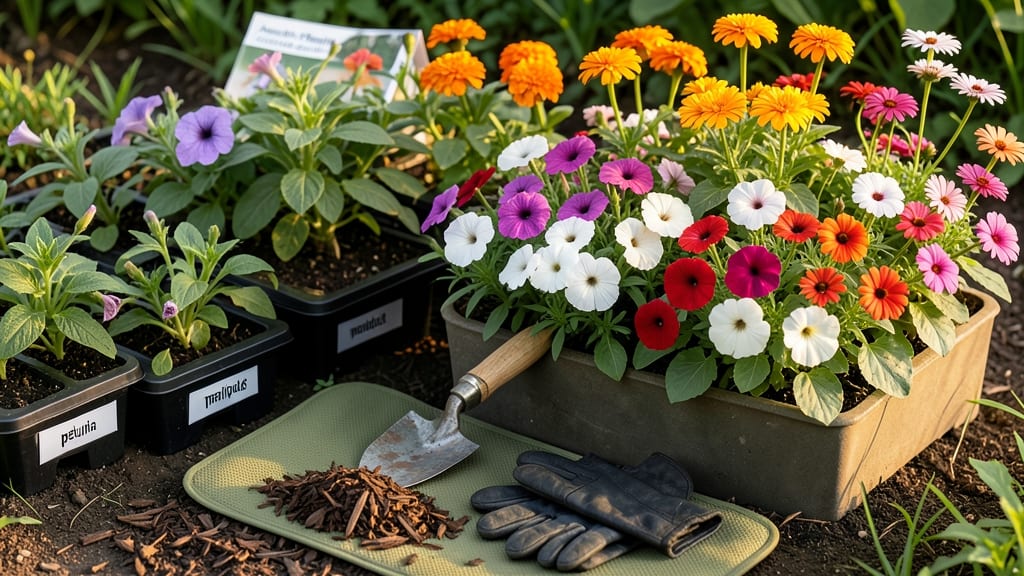
Timing your annuals planting in Connecticut can make the difference between a garden bursting with color and one struggling to take root. With last frost dates shifting from late April near the coast to early June in inland areas, getting it right means knowing your microclimate—and acting fast.
I’ve seen firsthand how a few weeks’ delay can turn vibrant petunias into wilting shadows by summer. The key isn’t just waiting for May 15—it’s tracking soil warmth, watching lilac blooms, and adjusting for urban heat pockets.
Let’s break down exactly when to plant for your specific corner of the state.
Whether you’re prepping containers for marigolds or sowing cosmos directly into beds, this guide covers the optimal windows and pro tips to beat Connecticut’s unpredictable springs. You’ll learn how to stretch your growing season, protect tender seedlings, and even cheat the system with row covers.
Ready to transform your garden from “meh” to “wow”? Grab your gloves—we’re diving into the exact planting schedule that’ll have your 🌱 annuals thriving all season long.
Connecticut’s frost-free dates by region: coastal vs. inland planting times
Connecticut’s last frost dates shift dramatically across its three main regions—coastal areas, river valleys, and inland hills—due to microclimates and urban heat islands. Coastal Fairfield County often sees frost-free conditions by April 20–May 1, while inland Litchfield County may wait until May 15–June 1.
These differences mean your petunias could bloom weeks earlier in New Haven than in Hartford!
For USDA Zones 5b–6a, most Connecticut gardeners fall into these three distinct planting windows. Marigolds and cosmos thrive when planted after the last frost, but snapdragons can handle a light frost, giving early-planters a head start.
Understanding your local window helps avoid late-season surprises like unexpected frosts ruining tender seedlings.
🌱
| Region | Avg. Last Frost | Safe Planting Window | Best Annuals |
|---|---|---|---|
| Coastal (Fairfield, New Haven) | April 20–May 1 | May 1–15 | Petunias, Zinnias, Geraniums |
| River Valleys (Hartford, New London) | May 1–15 | May 15–30 | Snapdragons, Marigolds, Cosmos |
| Inland Hills (Litchfield, Tolland) | May 15–June 1 | June 1–15 | Sunflowers, Hibiscus, Vinca |
*Adjust for urban heat islands: Cities like Bridgeport may plant 1–2 weeks earlier.
If you’re in a urban heat island, like Bridgeport or New Haven, your soil warms faster, allowing you to plant 2–3 weeks earlier than rural areas. I’ve seen basil seedlings thrive in city planters by mid-April when the same variety struggles in nearby farms.
Use a soil thermometer to confirm 60°F soil temps—the magic number for most annuals.
For first-time gardeners, coastal Connecticut’s earlier frost-free dates mean you can start warm-season annuals like tomatoes and peppers indoors by early March. Inland gardeners should wait until late March to avoid transplant shock from late frosts.
Pro tip: Lilac blooms signal safe planting—wait until your lilacs finish flowering before planting tender annuals.
🌿
Don’t overlook microclimates within your yard. A south-facing wall can create a 5–10°F warmer zone, letting you plant heat-loving annuals like hibiscus weeks earlier.
I once grew tropical verbena successfully in a south-facing container in New Haven by placing it against a brick wall—something impossible in a shaded garden bed.
For vegetable annuals, like bush beans and cucumbers, aim for planting after May 15 statewide.
These crops need consistent warmth to thrive, and early planting risks stunted growth or failure. Cold-hardy greens, like lettuce and spinach, can go in as early as April 1 in coastal areas, but watch for bolting if nights stay chilly.
🪴
Extend your growing season with row covers or cold frames. I’ve used floating row covers to plant marigolds in early April in Hartford, giving them a 3-week head start.
Just remove covers when temps rise above 75°F to prevent overheating. For late-season blooms, try cosmos or zinnias—they tolerate light frosts and often rebloom after summer heatwaves.
Finally, track your local frost history using the National Weather Service or Old Farmer’s Almanac. In 2022, a late frost in June caught many Connecticut gardeners off guard, damaging tomato plants just as they set fruit.
Planning for late frosts—even in summer—is key to protecting your annual investments**.
Best annuals for early vs. late planting in Connecticut gardens
Connecticut’s spring frost dates can be tricky, but choosing the right annuals for early or late planting ensures vibrant blooms all season. Start with cold-hardy varieties like snapdragons and pansies in late April to early May—they thrive in 50°F soil and even tolerate light frosts.
For late summer color, tropical picks like hibiscus and celosia shine when planted in late June to early July. These heat-lovers need warm soil (65°F+) and full sun to prevent wilting. Balance your garden with a mix of both for continuous interest!
🌱
| Plant Type | Planting Window | Soil Temp | Sun Needs | Notes |
|---|---|---|---|---|
| Snapdragons | Late April–May | 50°F+ | Full sun | Cold-tolerant; great for borders |
| Pansies | Early April–June | 40°F+ | Partial shade | Thrives in cool weather; edible flowers |
| Marigolds | After last frost (May) | 60°F+ | Full sun | Pest-repellent; long bloom season |
| Hibiscus | Late June–July | 65°F+ | Full sun | Heat-loving; dramatic blooms |
| Cosmos | May–June | 55°F+ | Full sun | Drought-tolerant; self-seeds easily |
Extend your growing season with row covers or cold frames to plant cosmos or zinnias 2–3 weeks earlier. These heat-tolerant annuals reward patience with bold summer blooms and minimal care once established.
For late-season color, try sunflowers or cleome in late July. Their fast growth compensates for shorter daylight, and they add height and texture to fading summer gardens. Just ensure they’re planted in well-draining soil to avoid root rot.
🌻
Pro tip: Pair early bloomers like lobelia with late-season stars such as celosia for a nonstop floral show. This strategic layering keeps your garden vibrant from spring to frost.