
Companion Plants
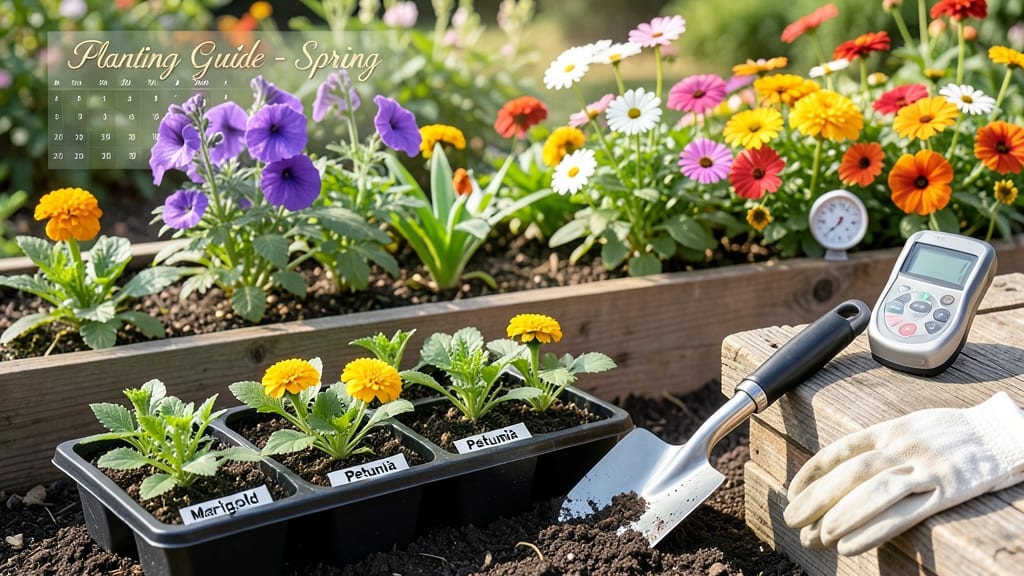
Planting annuals in Zone 7 at the wrong time can leave you with wilted petals or stunted veggies before they even get started—so timing is everything.
The key isn't just waiting for spring; it's understanding when your soil warms enough to support those 🌸 delicate seedlings while avoiding late frosts that can turn your hard work into a sad, icy memory.
Most gardeners in Zone 7 know the general rule: wait until after the last frost, but that’s not the whole story. Your annuals need soil that’s consistently above 50°F—warm enough to kickstart growth without shocking tender roots.
That means checking local frost dates (usually around mid-April) and pairing them with soil temperature tests, because even if the calendar says "spring," Mother Nature might still have a surprise up her sleeve.
What you’ll discover here is how to turn those average frost dates into a personalized planting plan for your specific microclimate. Whether you’re in the Piedmont’s rolling hills or near the coast’s milder breezes, small adjustments can mean the difference between a thriving garden and one that barely survives.
Let’s break down the exact steps to get your annuals in the ground at the perfect moment.
From preparing your soil to hardening off seedlings, I’ll walk you through the essential checklist so you can confidently plant your annuals—whether you’re going for early blooms or late-season harvests. No more guessing games; just a foolproof timeline tailored to Zone 7’s quirks.
Zone 7 frost dates & soil temperature guidelines for annual planting
Planting annuals in Zone 7 hinges on two critical factors: soil temperature and last frost dates. Most annuals thrive when soil warms to at least 50°F (10°C), signaling it’s safe to plant frost-sensitive varieties like tomatoes and peppers.
In Zone 7, the average last frost date falls around April 15, but this varies by microclimate—coastal areas may warm earlier, while inland regions can linger colder.
For cool-season annuals like lettuce or spinach, you can start seeds indoors as early as February or plant them outdoors in early March under row covers.
Warm-season crops, however, must wait until after the last frost and when soil temperatures consistently stay above 60°F (15°C)—typically mid-to-late April in most of Zone 7.
Here’s how to use this data to plan your garden:
| Planting Stage | Zone 7 Timeline | Soil Temp Requirement | Notes |
|---|---|---|---|
| Indoor Seed Starting | February - March | N/A (indoor) | Best for tomatoes, peppers, and basil |
| Outdoor Cool-Season Planting | Early March - April 15 | 40-50°F (4-10°C) | Lettuce, spinach, peas, kale |
| Outdoor Warm-Season Planting | After April 15 | 50-60°F (10-15°C) | Tomatoes, cucumbers, marigolds |
| Late Summer/Fall Planting | August - September | 60°F+ (15°C+) | Basil, cosmos, zinnias |
Zone 7 spans diverse regions, from the Piedmont to coastal areas, so always check your local frost dates. Use a soil thermometer to confirm warmth before planting heat-loving annuals like peppers or eggplants.
These crops need soil temps above 70°F (21°C) to thrive, which may not happen until mid-May in cooler microclimates.
For succession planting, plan to sow fast-growing annuals like radishes or bush beans every 2-3 weeks after the last frost. This ensures a continuous harvest and maximizes your garden’s productivity throughout the 180-day frost-free season typical of Zone 7.
If you’re unsure about your local frost dates, sign up for alerts from the National Weather Service or use apps like Old Farmer’s Almanac. These tools provide real-time updates tailored to your ZIP code, helping you avoid late frosts that can devastate tender seedlings.
Pro tip: Plant frost-tolerant annuals like pansies or calendulas in early spring for early color. These hardy varieties can handle light frosts down to 25°F (-4°C), giving your garden a head start.
Finally, consider microclimates in your garden. South-facing beds warm up faster, while shaded areas may stay cooler longer. Use this to your advantage by planting heat-loving annuals in sunny spots and cool-season crops in partially shaded areas.
By aligning your planting schedule with Zone 7 soil temps and frost dates, you’ll set your annuals up for success—whether you’re growing vegetables, flowers, or herbs. 🌱
Zone 7 frost dates & soil temperature guidelines for annual planting
In Zone 7, timing your annual plantings around the last frost date and soil temperature is critical. Most annuals thrive when soil reaches 50°F (10°C), signaling it's safe to plant frost-sensitive varieties like tomatoes and peppers.
The average last frost date in Zone 7 falls around April 15, but this can vary by 1-2 weeks depending on your microclimate.
Cooler microclimates, like those in the Piedmont region, may experience frost later, while coastal areas often warm up sooner. Always check your local frost probability tools or use a frost calendar for your specific county to fine-tune your planting schedule.
For example, Asheville, NC, tends to have later frosts than Raleigh, NC, so adjust accordingly.
🌱 Zone 7 Planting Guidelines
| Stage | Action | Soil Temp | Notes |
|---|---|---|---|
| Early Spring | Start cool-season annuals (e.g., spinach, kale) | 40-50°F | Use row covers for protection |
| After Last Frost | Plant warm-season annuals (e.g., tomatoes, marigolds) | 50°F+ | Hardening off seedlings first |
| Late Summer | Sow heat-tolerant annuals (e.g., basil, cosmos) | 60°F+ | Avoid planting too close to first frost |
For cool-season annuals, like lettuce or radishes, you can start seeds indoors 6-8 weeks before your last frost date. These hardy plants can even tolerate light frosts, making them ideal for early spring or fall plantings.
Meanwhile, warm-season annuals should wait until the soil is consistently above 50°F—typically mid-April to early May in most of Zone 7.
If you're unsure about your local frost dates, consider using a soil thermometer to monitor temperatures. Most annuals won’t thrive until the soil warms to at least 50°F, so don’t rush planting—especially for heat-loving varieties like peppers or eggplants, which need even warmer soil (60°F+).
Pro tip: Use mulch to warm the soil faster in early spring or black plastic mulch to raise soil temperatures for heat-sensitive plants. This can help you plant 1-2 weeks earlier in the season, giving your annuals a head start.
Always keep an eye on your local weather forecasts in late winter and early spring. A sudden cold snap can delay planting, so flexibility is key.
By aligning your planting with soil warmth and frost-free dates, you’ll set your annuals up for a longer, more productive growing season. 🌿