
Planting
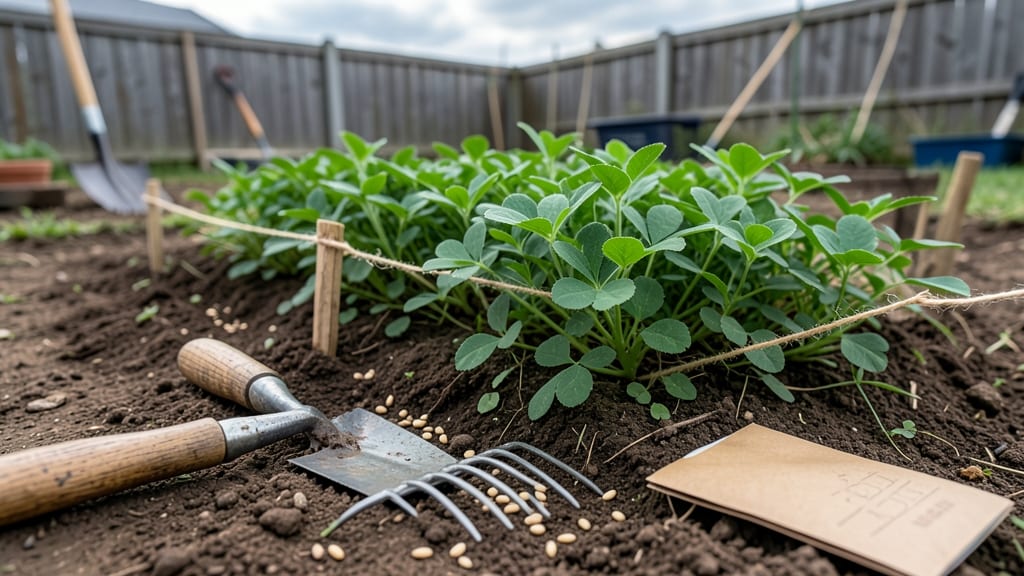
Planting alfalfa in the fall can mean the difference between a thriving crop next spring and a failed experiment—especially if you’re in USDA Zone 6a or colder.
The key is timing those seeds 4-6 weeks before your first frost, when soil stays warm enough to encourage root growth but nights grow cool enough to slow pest pressure.
Alfalfa (that hardy, deep-rooted 🌱 legume) isn’t just for livestock—it’s a nitrogen-fixing powerhouse that improves soil while providing lush forage. But getting it right in fall means avoiding the two biggest mistakes: planting too late (when frost nips seedlings) or too early (when summer heat stresses young plants).
I’ll walk you through the exact window for your region, soil prep tricks to ensure strong roots, and which cold-hardy varieties hold up best through winter.
Whether you’re a backyard gardener or managing pastureland, these steps will set you up for a bountiful harvest in year two—or even winter grazing if you’re lucky.
Ready to skip the guesswork? Let’s break down how to plant alfalfa so it survives the cold and rewards you with years of productivity—without the headaches.
Optimal fall planting timeline for alfalfa by US hardiness zones
Alfalfa thrives when planted in late summer to early fall, giving roots time to establish before winter. The key is planting 4-6 weeks before your first frost date—this window ensures seedlings aren’t caught in a freeze.
For example, in Zone 5, aim for mid-August to early September, while Zone 9 gardeners can extend planting until early October.
Your USDA Hardiness Zone dictates the exact timing. Northern climates (Zones 3-5) have stricter deadlines, while southern zones (7-10) offer more flexibility. Always check your local frost dates—planting too early can lead to leggy, weak stems, while planting too late risks frost damage before roots establish.
Alfalfa’s establishment year (Year 1) is critical—no harvests occur, but strong roots form. In Zone 6a, where I garden, I plant by September 1st to avoid early October frosts. Use a frost calculator (like the Old Farmer’s Almanac) to pinpoint your zone’s cutoff.
For livestock grazing or hay production, prioritize early fall planting (August-September). This maximizes spring regrowth and ensures a second-year harvest. In contrast, home gardeners may plant slightly later (September-October) if focusing on soil improvement rather than yield.
🌱
| USDA Zone | Ideal Planting Window | First Frost Date | Notes |
|---|---|---|---|
| Zones 3-4 | Late July to early August | Mid-September | Plant early—short growing season! |
| Zones 5-6 | Mid-August to early September | Early October | Standard window for most gardeners. |
| Zones 7-8 | Early September to mid-October | Mid-November | Later planting possible—milder winters. |
| Zones 9-10 | September to early November | Rare frost or none | Extend window but avoid heavy rains. |
Adjust your timeline if your area experiences unpredictable weather. For example, Zone 6a had an early frost in 2020—my alfalfa planted in late September struggled, while early August plantings thrived. Use a soil thermometer to confirm ground temps are above 50°F (10°C) before sowing.
In drought-prone areas, prioritize early fall planting to maximize root depth before winter. Mulch with straw or leaves (2-3 inches) to insulate roots. Avoid plastic mulch—it traps moisture and can cause rot.
For northern latitudes, consider row covers if planting near the frost cutoff. These add 2-4°F protection and extend the window by 1-2 weeks. Remove covers during the day to prevent overheating.
🌿
Pro tip: Test your soil’s pH (6.5-7.0) before planting. Alfalfa is calcium-hungry—add lime or gypsum if levels are low. I use a soil test kit ($20) to check annually, especially after harvests.
Optimal fall planting timeline for alfalfa by US hardiness zones
Timing is everything when planting alfalfa in the fall. Unlike spring planting, fall offers cooler soil and fewer weeds, but you must avoid frost. The ideal window is 4-6 weeks before your first frost date, allowing roots to establish before winter dormancy.
For example, in Zone 5, aim for mid-September, while Zone 9 gardeners can plant until early November.
Check your USDA Hardiness Zone to pinpoint the exact date. Most regions experience their first frost between October and December, so adjust accordingly. Pro tip: Use the National Weather Service’s frost calendar for precise local data.
Planting too early risks weak seedlings, while late planting may leave alfalfa vulnerable to cold snaps.
🌱 Fall Planting Timeline by USDA Zone
| Zone | Ideal Planting Window | Last Frost Date | Key Consideration |
|---|---|---|---|
| 3-4 | Late August to early September | Mid-October | Early frost risk; use cold-hardy varieties |
| 5-6 | Mid-September to early October | Late October | Balanced window for root growth |
| 7-8 | Early October to mid-November | Early December | Longer growing season; monitor frost |
| 9-10 | Mid-October to early December | Late December | Mild winters; extend planting into late fall |
If you’re unsure about your zone, use the USDA Plant Hardiness Zone Map to locate your area. For example, Zone 6a (like much of the Midwest) has a first frost around October 15, so plant by September 15 for optimal results.
Always err on the earlier side—alfalfa needs 4-6 weeks of warm soil to germinate properly.
For northern climates (Zones 3-5), prioritize cold-hardy varieties like 'Moapa' or 'Ladak,' which tolerate 20°F temperatures. In southern zones (7-10), you can plant later, but avoid early December to prevent winter stress. Always test soil temperature—it should be at least 60°F for germination.
After planting, mulch with straw or hay to insulate roots and retain moisture. This is especially critical in dry climates where frost can dry out seedlings.
Monitor soil moisture weekly, as fall rains can be unpredictable. Adjust your planting date if your area experiences unusually early or late frosts—flexibility is key!
Remember, alfalfa planted in fall won’t harvest until its second year, but the effort pays off with drought-resistant plants that thrive in poor soil. With the right timing, you’ll enjoy lush, nitrogen-rich forage for years to come. 🌱