
Plants
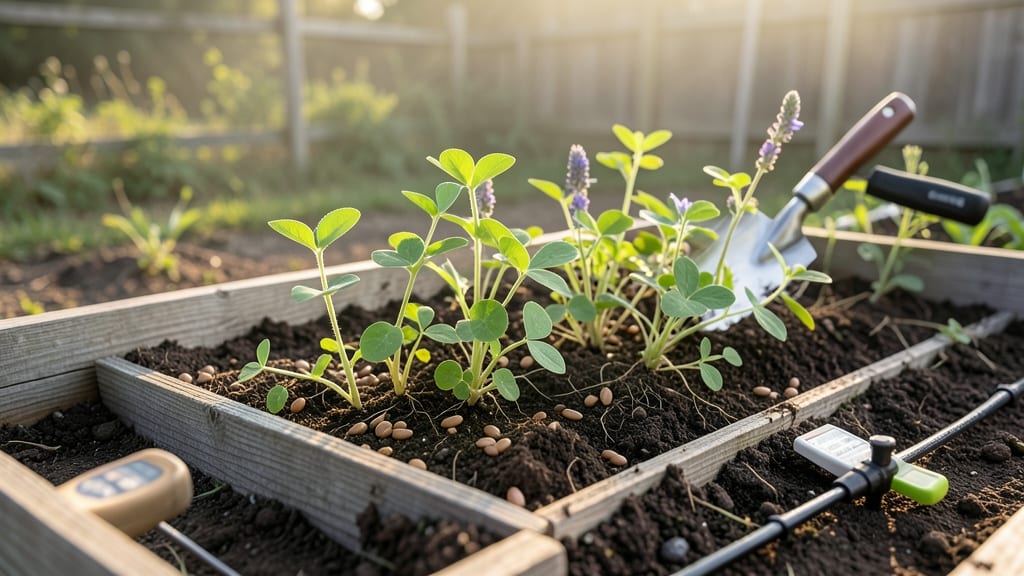
Planting alfalfa in Georgia at the wrong time could mean wasted effort—or worse, stunted growth that leaves your field struggling through drought. The key to success lies in understanding Georgia’s 7b-8b climate zones and how they dictate the perfect window for planting this hardy 🌱 perennial.
Most gardeners know alfalfa thrives in Georgia’s heat, but timing matters more than you’d think. Plant too early, and you risk heat stress before roots establish; too late, and your yields suffer.
The ideal planting window—late winter to early spring—aligns with Georgia’s last frost dates (mid-March in most regions), giving seedlings a fighting chance to take hold before summer’s intensity.
You might be wondering whether spring or fall planting works better in Georgia’s climate. The answer isn’t one-size-fits-all, but data shows spring planting (February–March) delivers more consistent drought-resistant yields. That’s because alfalfa’s deep roots need time to develop before summer’s dry spells hit.
In this guide, I’ll break down the exact planting schedule for your Georgia region, soil prep tips to avoid common mistakes, and how to maximize yields—even in the state’s most challenging growing seasons. Let’s get your alfalfa off to the best possible start.
Optimal planting windows for alfalfa in Georgia’s climate zones
Georgia’s diverse climate zones—from the cooler North Georgia mountains to the hotter Southern Plains—mean your alfalfa planting timeline should align with local frost dates and soil temperatures. In USDA Zones 7b-8b, timing is everything to avoid heat stress or winterkill.
My recommended window for planting alfalfa in Georgia is late February through early April, but let’s break it down by region.
For North Georgia (Zones 7a-7b), where frosts linger until mid-April, aim to plant after the last frost—typically early March. The cooler nights help seeds germinate without stress.
Meanwhile, in Central and South Georgia (Zones 8a-8b), you can start as early as late February since frost risks are minimal. The key is soil temperatures above 50°F—alfalfa seeds won’t sprout below this threshold.
Here’s how to check your local frost dates: Use the Georgia Climate Project’s frost map or consult your local Cooperative Extension office. For example, Athens (Zone 8a) has an average last frost of March 15, while Dalton (Zone 7b) waits until April 1.
Planting too early in colder zones risks seed rot; too late, and you miss the spring moisture window critical for establishment.
Beyond frost dates, soil preparation is non-negotiable. Alfalfa thrives in well-draining, slightly acidic soil (pH 6.5-7.0). Before planting, till the soil to a depth of 6-8 inches to break up compaction—a common issue in Georgia’s clay-heavy soils.
Mix in 2-3 inches of compost to boost organic matter, which helps retain moisture during Georgia’s dry spells. Avoid fresh manure, as it can burn young seedlings.
If you’re planting in sandy soils (common in South Georgia), add peat moss or coconut coir to improve water retention. For clay soils (North Georgia), incorporate gypsum to loosen the texture.
Test your soil’s pH with a home test kit or send a sample to the UGA Soil Testing Lab. Adjusting pH before planting saves you from stunted growth later.
One pro tip I swear by: plant alfalfa after a warm-season cover crop like sorghum-sudangrass. This practice improves soil structure and suppresses weeds, giving your alfalfa a competitive edge.
In Georgia, plant the cover crop in late summer, then terminate it in early February to prepare the bed for alfalfa.
After planting, mulch with straw to retain moisture and suppress weeds. In Georgia’s heat, mulch reduces soil temperature fluctuations, which is critical for seedling survival. Water lightly but consistently until germination (about 10-14 days).
Once seedlings reach 2 inches tall, reduce watering to deep soaks every 7-10 days to encourage deep root growth—essential for drought resistance.
Remember, alfalfa is a perennial legume, meaning it’ll return for 3-5 years if planted correctly. The first year focuses on root establishment, so don’t rush harvests.
Wait until late summer of the first year to cut for hay, and always leave 3-4 inches of stubble to protect the crown from winter damage.
For Georgia gardeners, late February to early April is your best bet—but flexibility is key.
Spring vs. fall planting: which yields more in Georgia’s heat?
Deciding between spring and fall planting for your alfalfa in Georgia depends on your goals—drought resilience, yield quantity, or long-term growth.
Both seasons have pros and cons, but spring planting usually wins for first-year yields, while fall planting can give you an edge in drought-prone summers. Let’s break down the trade-offs based on Georgia’s USDA Zones 7b-8b and climate patterns.
Spring planting (late February to early April) aligns with Georgia’s warmer soil temperatures, which are ideal for alfalfa germination. Seeds sprout faster in 60-70°F soil, and young plants establish roots before the peak summer heat. This method maximizes first-year growth, but requires consistent watering during dry spells. In contrast, fall planting (late August to early October) lets alfalfa develop stronger root systems before winter, reducing spring stress. However, late fall frosts can stunt growth if planted too close to mid-November.
For maximum yields, spring planting is the safer bet in Georgia’s humid subtropical climate. Alfalfa planted in March can reach harvestable height (12-18 inches) by late spring, giving you two cuttings before summer droughts hit.
However, if you’re prioritizing long-term survival in drought-prone areas (like South Georgia), fall planting lets roots deepen before winter, making plants more resilient to summer heat stress.
Soil moisture is the deciding factor—spring-planted alfalfa needs weekly watering until established, while fall-planted crops rely on autumn rains and winter moisture. Test your soil’s drainage before choosing: clay-heavy soils (common in North Georgia) benefit from spring planting to avoid waterlogging, while sandy soils (South Georgia) handle fall planting better due to faster drainage. Always aim for well-drained, slightly acidic soil (pH 6.5-7.0) for optimal growth.
Pro tip: If you’re new to alfalfa, start with a small spring test plot in March. Monitor germination rates and water needs—this will help you refine your approach for fall planting in future years.
Remember, alfalfa is a perennial, so first-year yields matter less than long-term establishment. Patience pays off with drought-resistant stands that last 3-5 years with proper care.
🌱 Whether you choose spring or fall, timing is everything—Georgia’s unpredictable weather means flexibility is key. Adjust your schedule based on local frost dates and rainfall forecasts to give your alfalfa the best shot at thriving.