
Planting
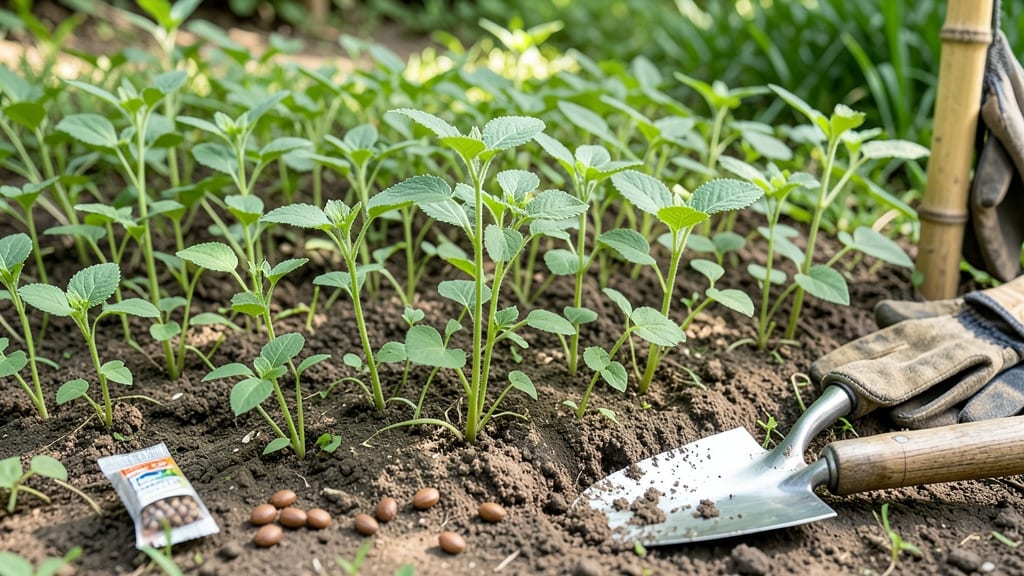
Timing your alfalfa planting just right in spring can mean the difference between a thriving crop and a frustrating wait for germination. This hardy 🌱 perennial demands precision—plant too early, and frost will set back growth; too late, and summer heat stresses young sprouts before they take hold.
I’ve learned the hard way that alfalfa’s slow start (often 2-3 weeks to sprout) requires patience and the right conditions. The key is planting when soil temperatures hit 50°F and stay consistently warm, typically 3-6 weeks before your last frost date in zones like 6a.
But here’s the game-changer: even the best-laid plans can go sideways if your soil isn’t prepped properly. We’ll cover how to test pH, enrich nutrients, and inoculate seeds for faster germination—because nobody wants to wait forever for those first green shoots.
Ready to set your alfalfa up for success? Let’s break down the exact steps to plant at the perfect moment, plus what to watch for if things go off track. Your future harvest depends on it!
Optimal spring planting windows for alfalfa by USDA hardiness zones
Alfalfa thrives when planted in early to mid-spring, but the exact timing depends on your USDA hardiness zone and soil temperature. Unlike frost-sensitive crops, alfalfa can handle light frost but needs consistent warmth to germinate.
Aim to plant 3-6 weeks before your last frost date when soil temperatures reach 40-70°F.
In Northern climates (Zones 3-5), wait until late April or early May when soil warms to 50°F+. Southern gardeners in Zones 7-10 can plant as early as February-March, but avoid extreme heat that dries out seeds.
The key is balancing frost risk with seed dormancy—alfalfa seeds need warmth to break their hard shell.
For Zone 6a (like my home garden), I plant alfalfa in early April after testing soil at 55°F. This gives seedlings time to establish before summer’s peak heat. Always check your local frost dates—a quick online search for "last frost" plus your city name will save guesswork!
🌱 Alfalfa Planting Window by USDA Zone
| Zone | Ideal Planting Month | Soil Temp Threshold | Key Consideration |
|---|---|---|---|
| 3-5 (Cold Climates) | Late April–Early May | 50–60°F | Wait for frost to pass; use row covers if needed |
| 6-7 (Temperate) | Early April–Mid-May | 45–55°F | Plant after last frost; mulch for warmth |
| 8-10 (Warm Climates) | February–March | 60–70°F | Avoid summer heat; plant in fall too |
Pro Tip: Use a soil thermometer—alfalfa seeds won’t sprout below 40°F, even if the air is warm. 🌡️
If you’re in a transition zone (like Zone 6b), split your planting: sow half in early April and half in late May for staggered harvests. This extends your growing season and reduces pest pressure from overwintering insects.
I’ve found that succession planting also helps when summer drought hits—you’ll always have fresh sprouts!
For container gardening, plant alfalfa in late spring (May) when soil in pots warms faster. Containers dry out quicker, so monitor moisture closely. Alfalfa’s deep roots need at least 12-inch-deep pots—shallow containers stunt growth.
If you’re using raised beds, add compost-rich soil to improve drainage, as alfalfa hates soggy roots.
One common mistake? Planting alfalfa too deep. Seeds need light to germinate, so keep them ¼-inch below soil. If you’re unsure about depth, press seeds gently into the soil and barely cover them.
Over-planting leads to seed rot and poor germination rates—trust me, I’ve learned this the hard way!
After planting, maintain consistent moisture for 2-3 weeks to encourage root development. Alfalfa’s nitrogen-fixing roots take time to establish, so don’t let the soil dry out.
Once established, it’s drought-tolerant, but young plants need regular watering to thrive. Mulch with straw or grass clippings to retain moisture and suppress weeds.
Remember, alfalfa is a perennial in warm climates but often treated as an annual in colder zones. If you’re growing it for hay or seed, allow plants to mature fully—first-year harvests focus on leaves and stems, while second-year plants produce seed pods.
Plan ahead to avoid cutting back plants too aggressively in their first year.
For gardeners in high-altitude areas, adjust your timeline by 2-3 weeks later than your zone’s average. Cool mountain air keeps soil cold longer, so wait until after Memorial Day to plant. If you’re near the coast, watch for fog delayssoil temperature over calendar dates!
Optimal spring planting windows for alfalfa by USDA hardiness zones
Alfalfa thrives in cool spring temperatures but needs warm soil to germinate quickly. The ideal window is 3-6 weeks before your last frost date, when soil temps reach 50-70°F. In colder zones, this might mean early March, while warmer regions can start as late as mid-April.
Northern climates (Zones 3-5) should aim for late April to early May—waiting for consistent 50°F+ soil prevents frost damage. Southern zones (6-8) can plant as early as February, but avoid extreme heat that dries out seeds before sprouting.
🌱 Soil temperature matters more than air temperature—use a soil thermometer to confirm readiness. In Zone 6a (like my home garden), we plant mid-to-late April when soil hits 55°F, ensuring strong germination without summer stress.
| USDA Zone | Planting Window | Soil Temp Goal | Key Consideration |
|---|---|---|---|
| 3-5 (Cold) | Late April-May | 50-60°F | Wait for last frost—use row covers if needed. |
| 6-7 (Temperate) | Mid-March-April | 55-65°F | Plant early to avoid summer drought. |
| 8-10 (Warm) | February-March | 60-70°F | Avoid hot spells—use shade cloth if needed. |
For container gardening, plant 2-3 weeks earlier than ground gardens—containers warm faster. My raised beds hit 50°F two weeks before the in-ground soil, so I start alfalfa there first to extend the season.
Pro tip: Test soil moisture before planting—alfalfa hates soggy conditions. If your spring is wet, wait until the top 2 inches dry out to prevent seed rot. A simple finger test works best!
Remember, alfalfa’s first-year growth focuses on roots, so don’t rush into harvesting. The real payoff comes in year two when those tall seed stalks appear—patience is key! 🌿