
Plants
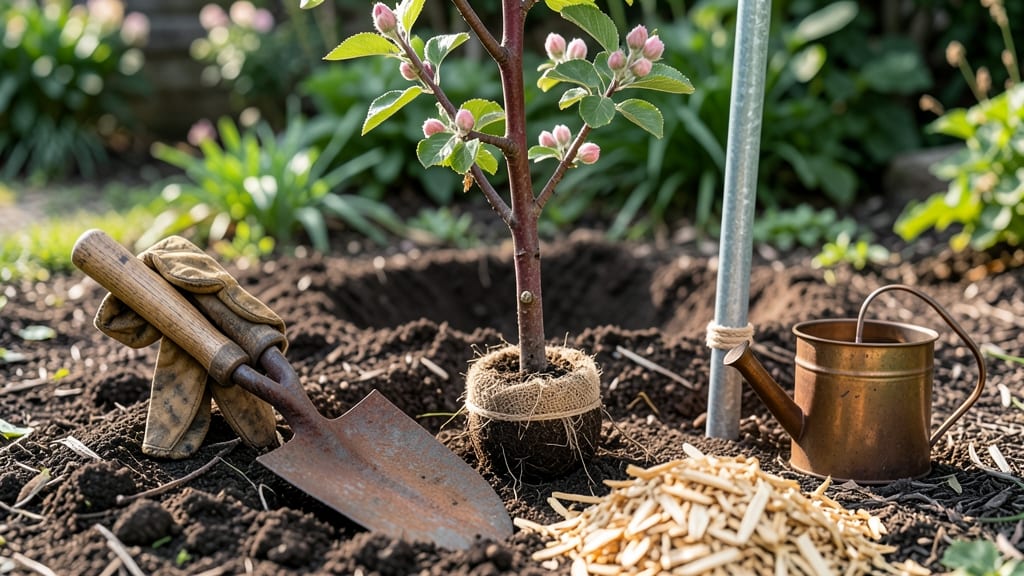
Planting a tree in the ground at the wrong time can mean the difference between a thriving 🌳 and a struggling one that never fully recovers.
Whether you're in zone 6a or another region, timing matters more than you might think—especially when it comes to root growth and survival through the first critical year.
Most gardeners know spring and fall are the best windows, but the exact month depends on your local frost dates and whether you're planting a deciduous or evergreen species.
In cooler climates like mine, early spring (just before buds swell) or late fall (about 4-6 weeks before frost) gives roots time to establish without competing with summer heat.
What I’ve learned from years of trial and error is that rushing the process—like planting in scorching summer heat or freezing winter—can shock young roots and stunt growth. The key is understanding your tree’s needs and matching them to your climate’s rhythm.
Ready to give your tree the best possible start? I’ll walk you through the science behind ideal planting times, common mistakes to avoid, and how to prep your soil for maximum success. Let’s get those roots growing strong.
Best months to plant trees by u.s. climate zone
Timing your tree planting depends entirely on your USDA hardiness zone and whether you're planting deciduous or evergreen trees. The golden rule? Plant when your tree can focus on root growth without competing with foliage.
For most regions, early spring (just as buds swell) or fall (4-6 weeks before first frost) are ideal windows.
Evergreens like pine or spruce need special attention—they can't handle transplant shock in extreme heat or freezing ground. In warmer zones (8-11), winter planting works because the ground stays workable. Meanwhile, cooler zones (3-7) demand spring planting to avoid frost damage to tender new roots.
🌳
| Zone | Ideal Planting Window | Scientific Reasoning | Tree Types |
|---|---|---|---|
| 3-5 (Cold) | Late April - Early June | Soil thaws by 45°F; avoids late frosts | Deciduous (Oak, Maple) |
| 6-7 (Temperate) | March-April or Sept-Oct | Balances moisture and cool temps for root establishment | All types (except tropical) |
| 8-9 (Warm) | Nov-Jan or Feb-Mar | Avoids summer heat stress; roots grow in mild temps | Evergreens (Pine, Cedar) |
| 10-11 (Hot) | Year-round (best: Dec-Feb) | No frost risk; consistent rainfall supports transplant | Tropical (Palm, Mango) |
In Zone 6a (like much of the Midwest), I always plant my oak trees in early April when soil temps hit 45°F. This gives roots 6-8 weeks to establish before summer heat arrives. For evergreens, I wait until late fall (November) to avoid winter desiccation.
Pro tip: Use a soil thermometer—roots struggle below 40°F or above 85°F. In dry climates (Zones 7-9), I water deeply 3x weekly post-planting to combat heat stress. Evergreens in these zones need extra mulch (3-4 inches) to retain moisture.
🌿
If you're in Zone 4 or colder, avoid planting after June 15—new roots can't harden off before winter. Instead, opt for bare-root trees in early spring when dormancy breaks. For Zone 10, I plant citrus trees in December to align with natural rainfall patterns.
Remember: Container-grown trees adapt better to heat than bare-root, so they can handle late spring planting in most zones. Always check your local frost dates—the USDA zone map is a starting point, but microclimates matter more!
✂️
How to adjust planting time for young vs. mature trees
Not all trees are created equal when it comes to planting timing. A young sapling needs different care than a mature tree with an established root system. The key difference lies in their root development stage and how they handle transplant shock.
Let me break down when to plant each type for the best results.
For bare-root trees (young, dormant-season plants), the window is narrower—typically late fall to early spring—because their roots aren’t protected by soil. Meanwhile, container-grown trees (often sold year-round) can handle planting almost anytime, but spring or fall still gives them the edge.
| Tree Type | Best Planting Window | Soil Temp Threshold | Root System Prep |
|---|---|---|---|
| Bare-Root Trees | Late fall or early spring (dormant season) | 40-50°F (4-10°C) | Prune roots if circling |
| Container-Grown Trees | Spring or fall (avoid summer heat) | 50-60°F (10-15°C) | Remove pot, loosen roots |
| Mature Ball-and-Burlap Trees | Fall (4-6 weeks before frost) | 55-65°F (13-18°C) | Remove burlap, score root ball |
Mature trees, especially those sold as ball-and-burlap, demand even more precision. Their root balls are often wrapped, which can suffocate roots if planted at the wrong time. Aim for fall planting—4 to 6 weeks before your first frost date—to let roots establish before winter dormancy kicks in.
One common misstep is assuming container-grown trees can handle summer planting. While they can, the risk of heat stress and drought damage skyrockets. If you must plant in summer, choose overcast days and mulch heavily to retain moisture. Water deeply every 2-3 days until roots establish.
Pro tip: Always check the soil temperature before planting. Use a soil thermometer—ideal temps are 50-60°F (10-15°C) for most species. Cold soil slows root growth, while warm soil (above 70°F/21°C) can shock delicate roots. Adjust your planting schedule based on your local USDA hardiness zone.
Remember, the goal is to minimize transplant shock. Whether you're planting a tiny sapling or a mature oak, the right timing ensures your tree focuses on root growth—not survival. Start with the soil, then the season, and you’ll set your tree up for decades of healthy growth. 🌳