
Plants
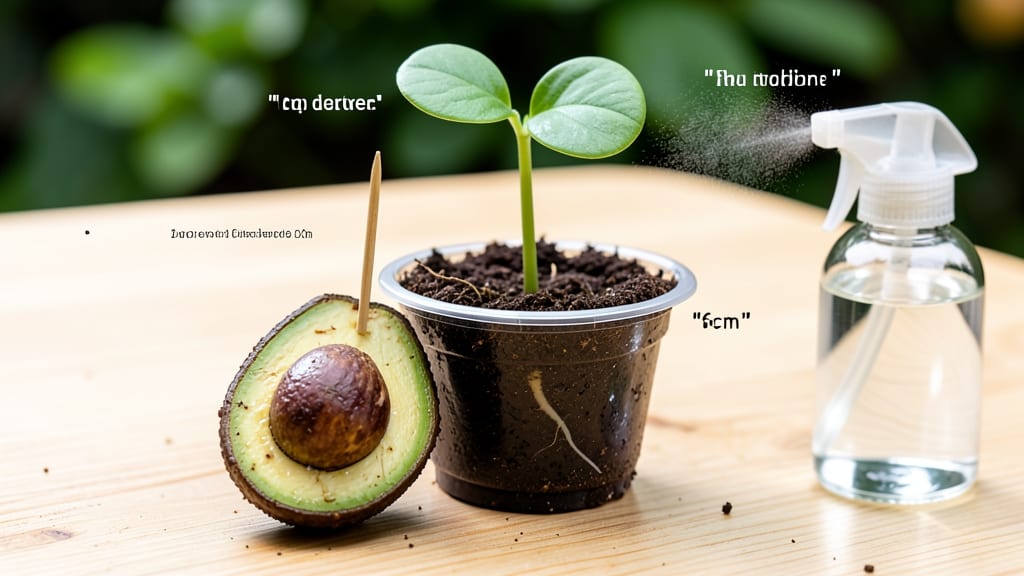
Planting an avocado seed in soil at the wrong time can mean the difference between a thriving 🥑 seedling and a sad, wilted failure. Since these tropical plants need warmth to germinate, timing is everything—especially if you're in a cooler zone like 6a.
Most gardeners start their avocado seeds indoors in early spring, just as the last frost passes (after April 15 in many regions). That gives roots time to establish before summer heat arrives, but outdoor planting should wait until soil temperatures stay above 60°F consistently.
If you're impatient to see those first leaves, I’ll show you how to prep the perfect soil mix and container setup to speed up germination—without drowning your seed in soggy soil. Let’s get your avocado tree off to the right start.
The key is balancing moisture, warmth, and patience. Skip the guesswork with these step-by-step tips to ensure your seedling grows strong, whether you’re planting in a sunny windowsill or a garden bed.
Best time of year to plant avocado seeds in soil
Avocado seeds thrive in warmth, so timing your planting is critical. In USDA Zone 6a (like much of the Midwest), the best window starts after the last frost, typically mid-April. If you’re in a warmer zone (like 8a+), you can plant anytime soil stays above 60°F.
Indoors, I start seeds in February or March near a sunny window. This gives roots time to develop before transplanting outdoors in late spring. For outdoor planting, wait until nighttime temps stay above 55°F—usually May or June in cooler climates.
If you’re impatient, a grow light can extend your indoor window into early spring. Just avoid planting in winter—avocado seeds won’t germinate in cold soil. Patience here prevents rot and ensures strong roots.
Here’s the key: Soil temperature matters more than calendar dates. Use a soil thermometer to confirm it’s 65°F+ before planting outdoors. In pots, warmth from indoor heat sources (like radiators) can help kickstart germination earlier.
Pro tip: If you’re in a short growing season, start seeds indoors under a grow light for faster germination. I’ve seen seeds sprout in 4–6 weeks with consistent warmth, while outdoor planting in cooler zones can take 8–12 weeks.
For outdoor gardeners, mark your calendar for late May—this gives seedlings time to harden off before summer heat. If you’re in a tropical zone, plant anytime, but avoid rainy seasons to prevent fungal issues.
Remember: Avocado seeds are sensitive to cold. Even a brief frost can kill young roots. If you’re unsure about your local frost date, check the USDA Plant Hardiness Zone Map and add 2–4 weeks after the last frost date.
Finally, if you’re planting in containers, you can extend your season by moving pots indoors during cold snaps. Just ensure your seedling gets 6+ hours of sunlight daily—even artificial light helps bridge gaps in winter.
Timing isn’t just about the calendar; it’s about temperature, sunlight, and soil conditions. Master these, and your avocado seedling will reward you with strong, healthy growth from day one.
Best time of year to plant avocado seeds in soil
Avocado seeds thrive in warmth, so timing your planting is critical. In USDA Zone 6a and warmer, aim for spring after the last frost—typically March to May. Cooler climates may need to start seeds indoors in February to extend the growing season.
If you're in a tropical or subtropical region (Zones 9-11), you can plant anytime—avocado seeds love consistent 70°F+ temperatures. Just avoid extreme heat, which can dry out seeds too quickly.
For indoor germination, place your seed in soil 4–6 weeks before your ideal outdoor move date. This gives roots time to establish before facing outdoor conditions.
| Climate Zone | Best Planting Window | Key Consideration |
|---|---|---|
| Zones 6a–8b | March–May (after frost) | Wait for soil to warm above 60°F |
| Zones 9–11 | Year-round (avoid winter) | Consistent warmth speeds germination |
| Indoor Start | February–April | Use grow lights if natural light is weak |
Temperature is your biggest ally—avocado seeds germinate best between 70–85°F. If your area dips below 60°F, germination slows dramatically or stops. Use a seedling heat mat if needed.
Pro tip: Soil temperature matters more than air temperature. Stick a soil thermometer 2 inches deep—aim for 70°F+ for fastest results. Cooler soil delays sprouting by weeks.
Once your seedling hits 6–12 inches tall and has 3–4 true leaves, it’s ready for outdoor hardening (gradually introduce it to outdoor conditions over 1–2 weeks).