
Plants
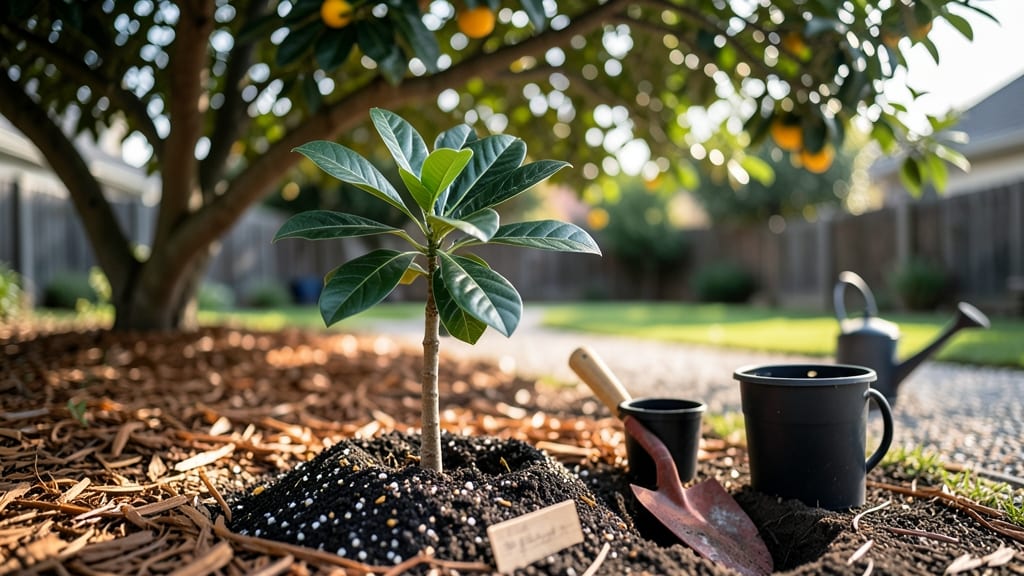
To plant an avocado in the soil successfully, timing is the game-changer—get it wrong, and your tree might never thrive.
The ideal window depends on your climate, but for most gardeners in Zone 6, waiting until after the last frost (around mid-April) gives your seedling the best shot at strong roots and rapid growth.
Why does this matter? Avocados are frost-sensitive, so planting too early risks damage, while waiting too long can stunt growth. I’ve seen firsthand how a well-timed planting leads to a tree that’s 6 feet tall in just two years—versus one that barely survives.
In this guide, I’ll break down the exact months for your zone, plus how to prep soil and avoid common mistakes. Whether you’re starting with a seed or transplanting a sapling, these steps will set you up for a healthy, fruit-bearing avocado in no time.
Let’s get your 🥑 off to the right start—no guesswork, just proven strategies for success.
Best months to plant avocado seeds in soil by USDA climate Zones
Avocado trees thrive when planted during their optimal growing season, but the perfect timing depends on your USDA climate zone. In tropical zones (9-11), you can plant year-round, while cooler zones (7-8) require precise timing to avoid frost damage.
Understanding these differences ensures your avocado tree grows strong and healthy from the start.
For USDA Zones 9-11, avocados love warmth and can be planted anytime with proper care. However, the best window is during the warmer months (March-September) when soil temperatures stay above 60°F (15°C).
In Zones 7-8, wait until after the last frost date, typically April-May, to give seedlings time to establish roots before cooler weather arrives.
Soil temperature is critical—avocado roots struggle below 55°F (13°C). Use a soil thermometer to confirm warmth before planting. In Zone 6 or colder, consider growing avocados in containers indoors until spring, then transplant outdoors after frost risk passes.
In Zones 9-11, avocado trees can be planted anytime, but spring and summer offer the best conditions. The soil stays warm, and rainfall is often sufficient. If planting in winter (Dec-Feb), supplement with drip irrigation to maintain moisture.
In Zones 7-8, prioritize April-May planting to avoid late-spring frosts that can kill young seedlings.
For container-grown avocados, timing shifts slightly. Transplant outdoors in Zones 7-8 when nighttime temperatures stay above 50°F (10°C), usually late May. In Zones 9-11, containers can stay outside year-round, but move them to partial shade during extreme heat (above 95°F/35°C).
One common mistake is planting too early in cooler zones. Seedlings planted in March risk frost damage, even if soil is warm. Always check your local frost dates and wait until 2-3 weeks after the last frost for safety.
Use a frost calendar from your local extension office for precise guidance.
If you're in a transition zone (e.g., Zone 8a vs. 8b), err on the side of planting later. These areas often have unpredictable frost patterns, and a single cold snap can set back growth for months.
For extra protection, use row covers or mulch heavily around the base of young trees.
Remember, avocados are sensitive to cold stress, even as mature trees. While young seedlings need careful timing, established trees in Zones 9-11 can tolerate brief dips to 28°F (-2°C). Always plant grafted trees for faster fruiting—they’re more cold-hardy than seed-grown varieties.
Finally, soil preparation matters just as much as timing. Amend your soil with compost and sand to improve drainage, as avocados hate soggy roots. Test your soil’s pH (6.0-7.0) and adjust with lime or sulfur if needed.
With the right timing and soil, your avocado tree will thrive for decades.
How to adjust planting time for your local microclimate
Your avocado tree won’t thrive on a one-size-fits-all planting schedule—local conditions like urban heat islands, high-altitude chill, or coastal breezes can shift the ideal window by weeks. For example, city gardens often stay 5-10°F warmer than rural areas, letting you plant 2-3 weeks earlier than the zone average.
Meanwhile, high-altitude gardens (like Denver) may need to wait until mid-June to avoid late frosts. 🌡️
Coastal regions present another twist: salty winds and foggy mornings can delay soil warming by 3-4 weeks. If you’re near the ocean, monitor soil temperatures—plant when they hit 65°F+ consistently for 2 weeks, even if your neighbors are already planting.
Use a soil thermometer ($10 at garden centers) to avoid guesswork. 🌊
Here’s how to fine-tune your planting date based on your specific challenges: adjust for unpredictable weather, soil drainage, and even neighborhood microclimates.
Start by checking your last frost date (use the National Weather Service or Almanac.com), then add or subtract time based on these local factors. ⏰
🔍 Adjust Your Planting Window For:
- 🏙️ Urban Heat Islands: Plant 2-3 weeks earlier than zone guidelines (soil warms faster).
- ⛰️ High Altitude (3,000+ ft): Delay until mid-June to avoid late frosts (soil stays cold longer).
- 🌊 Coastal Areas: Wait for 65°F soil temp for 2+ weeks (fog delays warming).
- 🌳 Shaded Yards: Choose a sunnier spot or plant 1-2 weeks later (soil warms slower).
- 🌧️ Wet Climates: Plant in spring (avoid fall—roots rot in soggy soil).
For soil preparation, focus on drainage—avocados hate soggy roots. Amend heavy clay with compost and perlite (mix 30% each) to create a well-aerated bed. If your area has poor drainage, consider a raised bed (6-12 inches high) to prevent root rot.
Test your soil’s pH too; avocados prefer 6.0-7.0 (use a $10 test kit from garden stores). 🪴
Mulching is another game-changer for microclimate adjustments. Apply 3-4 inches of organic mulch (wood chips or straw) to: - Retain moisture in hot/dry areas - Insulate roots in cold microclimates - Regulate soil temps by ±5°F Replenish mulch annually—it breaks down and loses effectiveness.
Pair this with drip irrigation to keep roots consistently moist without overwatering. 💧
Finally, use frost dates as a guide—not a rule. If your area has unpredictable late frosts (like Zone 8b), wait until mid-May or use frost cloth for young seedlings. In Zone 10+, plant year-round—but aim for spring rains to establish roots before summer heat.
Always monitor your tree’s progress: if new leaves yellow or wilt, you’ve planted too early. ✂️