
Plants
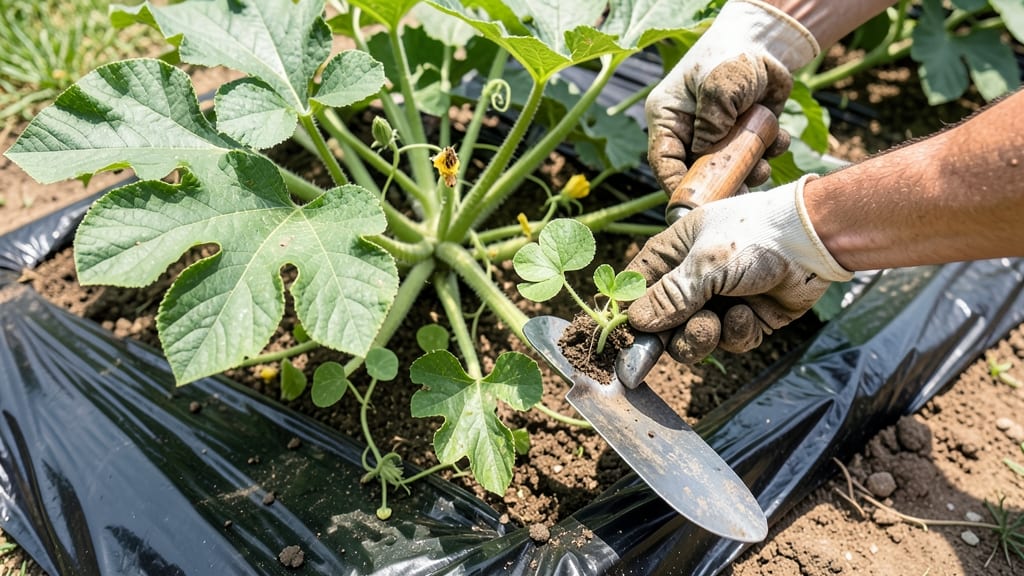
Timing your 🍉 watermelon planting in Florida can mean the difference between a bountiful harvest and struggling vines. Since Florida's frost-free climate gives you flexibility, most gardeners focus on soil temperature rather than frost dates—but there's still a sweet spot for maximum growth.
Planting too early can leave your seedlings vulnerable to cold snaps in North Florida, while waiting too long risks heat stress that stunts development.
The ideal window depends on your region, but most Florida gardeners agree: late February to early March is prime time for starting seeds or setting out transplants.
Here’s the game-changer: soil temperature matters more than calendar dates. Watermelons thrive when soil reaches 70°F, and black plastic mulch can speed up warming. I’ll show you exactly how to time your planting for bigger vines and sweeter fruit—plus the 3 mistakes that sabotage even the most eager gardeners.
Whether you're in the Panhandle or Miami, these insights will help you avoid common pitfalls and get the most out of your spring watermelon season. Let’s dive into the science-backed strategies that work in Florida’s unique climate.
Florida watermelon planting calendar: exact dates for biggest harvests
Florida’s frost-free climate gives watermelons a head start, but soil temperature and regional microclimates still dictate the perfect planting window. Unlike northern states, you won’t worry about last frost dates, but heat stress becomes the enemy if you plant too late.
Here’s the science-backed schedule for maximum vine growth and sweet, juicy fruit.
For North Florida (USDA Zones 8a-9a), aim for late February to mid-April when soil warms to 70°F+. Central and South Florida (Zones 9b-11) can start as early as mid-January for early varieties, but March-April remains ideal to avoid summer’s brutal heat.
Pro tip: Use a soil thermometer—watermelons won’t germinate below 60°F.
Direct seeding is best for Florida’s heat, but transplants can work in North Florida’s cooler pockets. Start seeds indoors 4-6 weeks before your target outdoor date if using transplants. Black plastic mulch raises soil temps by 5-10°F, letting you plant 2-3 weeks earlier in North Florida.
🌱Key dates by region: - North Florida (Jacksonville, Gainesville): March 15-April 15 (soil >70°F) - Central Florida (Orlando, Tampa): February 15-March 30 (soil >65°F) - South Florida (Miami, Fort Lauderdale): January 15-February 28 (soil >60°F)
| Region | Ideal Planting Window | Soil Temp Threshold | Best Method |
|---|---|---|---|
| North Florida (Zones 8a-9a) | March 15–April 15 | 70°F+ | Direct seed + black mulch |
| Central Florida (Zones 9b-10a) | February 15–March 30 | 65°F+ | Direct seed or transplant |
| South Florida (Zones 10b-11) | January 15–February 28 | 60°F+ | Direct seed (transplants risk heat stress) |
🌡️Pro move: Test soil temp at 1-inch depth for 3 consecutive days before planting. If it’s below 65°F, wait—slow germination leads to weak vines. Morning hours (8-10 AM) are best for checking, as temps dip overnight.
For fall harvests in North Florida, plant transplants in August (not seeds) to beat hurricane season and early winter chill.
Use shade cloth (30-50%) to protect young plants from intense summer sun while they establish roots. Dwarf varieties like ‘Sugar Baby’ thrive here, producing fruit 60-70 days after planting.
💡Variety tip: Heat-tolerant varieties like ‘Crimson Sweet’ or ‘Charleston Gray’ outperform in South Florida’s summer, while earlier maturing types like ‘Black Diamond’ suit North Florida’s shorter season. Always check days to maturity—aim for harvest before July’s peak heat.
After planting, mulch heavily with straw or grass clippings to retain moisture and prevent soil-borne diseases.
Watermelons need 1-2 inches of water weekly, but drip irrigation at the vine base (not leaves) avoids powdery mildew, a common Florida issue. Morning watering gives foliage time to dry before humidity spikes.
🌿Harvest timing: Most Florida varieties mature in 70-90 days, so March-April plantings yield fruit by June-August—just as summer rains can dilute flavor. Harvest when the tendril near the fruit turns brown and the ground spot turns cream-colored. A hollow thump when tapped confirms ripeness.
🚜Extended-season hack: In South Florida, succession plant every 2 weeks from January to March for continuous harvests. In North Florida, plant a second crop in late July for fall fruit before first frost risks (rare but possible in Panhandle areas).
3 Critical mistakes Florida gardeners make with watermelon planting time
Even in Florida’s frost-free climate, timing mistakes can sabotage your watermelon harvest. The biggest error? Planting seeds before soil warms to 70°F—cold soil slows germination and invites rot. Many gardeners also ignore regional microclimates, like North Florida’s cooler winters, which delay planting by weeks.
Another common blunder is skipping soil prep. Sandy Florida soils drain too fast, so watermelons need organic matter like compost or aged manure. Without it, vines struggle to anchor and fruits stay small.
Even experienced growers rush harvest timing, picking too early or too late—both ruin flavor and texture.
🌱
⚠️ Mistake #1: Ignoring Soil Temperature
Watermelon seeds won’t sprout below 70°F soil. Use a soil thermometer—if it’s cooler, wait or use black plastic mulch to warm the ground faster.
⚠️ Mistake #2: Planting Too Early in North Florida
North Florida’s cooler winters (USDA Zones 8a-9a) mean seeds planted in January may rot. Aim for mid-March instead.
⚠️ Mistake #3: Harvesting at the Wrong Time
Picking when the tendril turns brown is key—but wait until the ground spot yellows and the rind sounds hollow. Overripe melons get grainy and seedy.
To fix these mistakes, start by testing your soil’s warmth with a thermometer. For North Florida, transplant seedlings instead of direct-seeding to avoid cold snaps. And mark your calendar: harvest between 70–90 days after planting, depending on the variety.
Pro tip: Use dwarf varieties like ‘Sugar Baby’ for containers or small spaces—they mature faster and avoid the sprawling vine pitfalls of standard types. Pair them with radishes or lettuce as companions to maximize space while improving soil health.
By avoiding these three mistakes, your watermelons will thrive in Florida’s heat—yielding sweeter, larger fruit with fewer pests and diseases. The secret? Patience with soil warmth and precision in timing.
✂️