
Plants
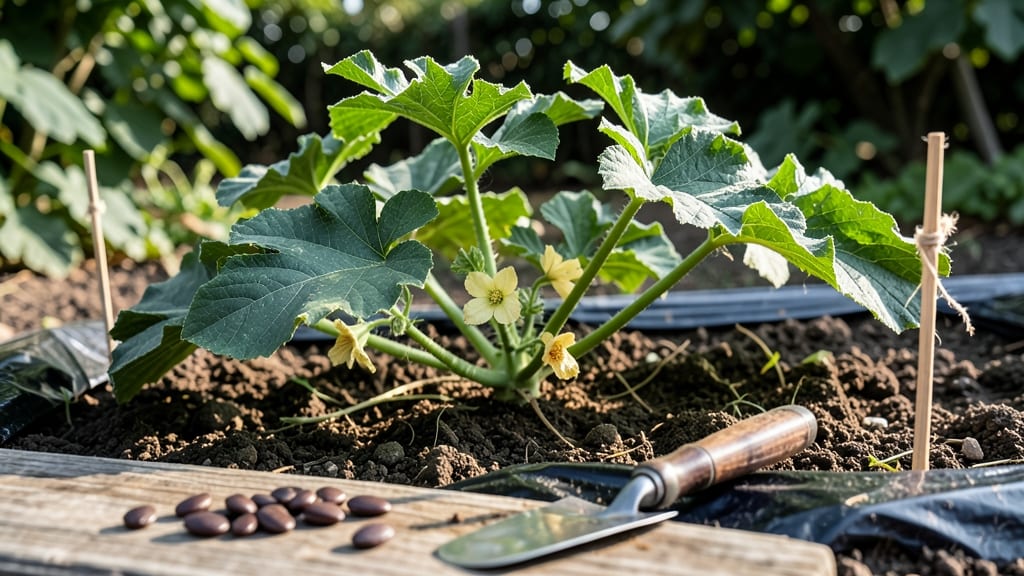
Planting watermelon seeds in California at the wrong time can mean the difference between a bountiful harvest and wasted effort. With USDA Zone 10 offering frost-free growing year-round, timing still matters—especially when soil temperatures drop below 70°F, halting germination.
Whether you're in coastal foggy zones or the Central Valley's heat, knowing the exact window ensures your 🍉 vines thrive.
Most gardeners in California start watermelon seeds indoors by February or direct-sow in March, but regional microclimates demand adjustments. Coastal areas like San Diego may wait until late spring to avoid chilly soil, while inland desert regions can plant as early as January if soil warms quickly.
The key? Soil temperature—not the calendar—dictates success.
If you've ever watched your seedlings struggle or vines wilt before fruiting, you're not alone. Many California gardeners overlook how elevation and urban heat islands shift planting windows by weeks.
I'll break down the fastest methods to time your planting for maximum germination, from soil prep to transplanting, so you can skip the guesswork.
Ready to grow watermelons that ripen in June-September with minimal stress? Let's dive into the exact planting schedule for your region—and the small tweaks that make all the difference between a few sad fruits and a vine-laden harvest.
Best watermelon planting months in California by region: coastal vs. desert vs. Central Valley
California’s varied climates demand precision when planting watermelon seeds. The Central Valley and desert regions can start as early as February, while coastal areas like San Francisco often wait until late March to avoid chilly soil. The key? Soil temperature must reach 70°F (21°C) for seeds to germinate reliably.
Most of California experiences frost-free growing seasons, but microclimates matter. For example, Sacramento’s last frost date is typically January 15, while Los Angeles rarely sees frost at all. This means you can plant earlier in inland areas and delay by 4-6 weeks near the coast.
Here’s how to align your planting with California’s three main regions:
| Region | Ideal Planting Window | Soil Temp Threshold | Notes |
|---|---|---|---|
| Central Valley (Sacramento, Fresno) | Mid-February to early March | 70°F+ | Fastest growth; use black plastic mulch for warmer soil |
| Coastal (San Francisco, Santa Barbara) | Late March to April | 70°F+ | Delay until ocean fog lifts; use row covers for warmth |
| Desert (Palm Springs, Coachella) | January to February | 75°F+ | Plant early to avoid extreme summer heat; shade cloth helps |
| All Regions (Indoor Starts) | January (transplant outdoors in March) | N/A | Extend season by 4-6 weeks; use grow lights if needed |
For direct sowing, wait until soil temperatures consistently hit 70°F—use a soil thermometer to check. In cooler regions, like Santa Cruz, I’ve seen watermelon seeds fail to germinate when planted before April 15 because the soil stayed below 65°F.
If you’re starting seeds indoors, begin in January for a March transplant. Use biodegradable pots to avoid root disturbance, and harden off seedlings for 7-10 days before moving them outside. Transplant shock is a common issue, so I recommend watering seedlings deeply the day before transplanting.
In desert regions, watermelons thrive when planted in January to escape the 100°F+ summer heat. Use shade cloth (30-50%) to protect young plants until they establish roots. I’ve grown ‘Sugar Baby’ watermelons successfully in Palm Springs by planting in early February and providing afternoon shade.
For coastal gardeners, fog delays germination. If your area experiences frequent morning fog, wait until late March or use row covers to trap heat. I’ve had 100% germination in San Diego by planting in mid-March and covering seeds with clear plastic for the first week.
Pro tip: Test your soil with a thermometer for 3 consecutive days before planting. If temperatures dip below 68°F, delay by 1-2 weeks or use black plastic mulch to warm the soil faster. This small step can double your germination rate.
Remember, watermelons need 75-90 days to mature. Planting too late in northern CA (e.g., Redding) can result in small, underripe fruit. Aim to harvest by September to avoid heat stress in late summer.
🌱
How to time watermelon seeds for fast germination in California’s microclimates
Timing your watermelon seeds isn’t just about the calendar—it’s about soil temperature, elevation, and even your neighborhood’s urban heat island. In California, soil needs to hit 70°F (21°C) for seeds to germinate reliably.
Coastal areas like Santa Barbara may wait until late April, while desert regions like Palm Springs can start as early as January if you use soil warmers.
If you’ve ever watched your seeds sit in cold soil for weeks without sprouting, you know how frustrating this can be. The solution? Adjust planting dates based on your microclimate and use tools like black plastic mulch or row covers to warm the soil faster.
I’ll walk you through the exact steps to time your planting for fast germination, so you’re not left waiting.
Here’s my 3-step