
Plants
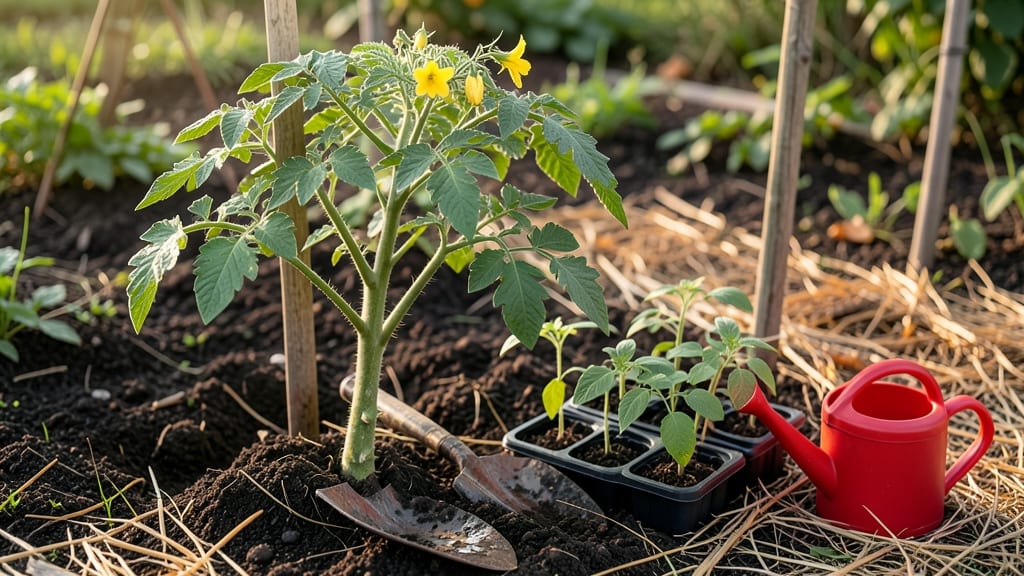
Planting tomatoes in Texas at the wrong time can mean watching your seedlings wilt before they even fruit—because the heat arrives faster here than in most states.
The best window for planting 🍅 depends on whether you're in North, Central, or South Texas, where frost dates and soil warmth vary wildly.
If you're in North Texas (Zone 8a), waiting until mid-February ensures your soil stays warm enough to avoid stunted growth. Meanwhile, gardeners in South Texas (Zones 9a-10b) can start as early as January, thanks to milder winters.
But timing isn't just about the calendar—it's also about choosing heat-tolerant varieties that won't bolt when temperatures climb above 90°F.
I’ve learned the hard way that rushing seedlings into cold soil or ignoring regional frost dates leads to disappointment.
The key is aligning your planting schedule with local conditions—whether that means using black plastic mulch to warm the soil faster or opting for late-season varieties that thrive in Texas’s long, hot summers.
In this guide, I’ll break down the exact dates for each Texas region, share my top heat-resistant tomato picks, and reveal the mistakes that even experienced gardeners make. Let’s make sure your tomato plants grow strong—and your harvest lasts all summer.
Texas tomato planting calendar: exact dates by region (North, Central, south)
Texas’s diverse climate zones mean one-size-fits-all planting advice won’t work—North Texas’s cooler springs demand earlier starts, while South Texas’s mild winters allow January planting. The key is aligning your schedule with last frost dates and soil temperature thresholds of 60°F+ for healthy growth.
For North Texas (Zone 8a), where frost lingers until mid-March, aim to plant transplants after March 15 or start seeds indoors by February 1 for a 60-day head start.
Central Texas (Zone 8b) gardeners can begin outdoor planting in late February, while South Texas (Zones 9a-10b) enjoys a January start thanks to its frost-free winters.
Here’s the breakdown by region, including heat-tolerant variety recommendations and soil prep tips tailored to Texas’s extremes:
| Region | Last Frost Date | Optimal Planting Window | Soil Temp Threshold | Heat-Tolerant Varieties | Key Tip |
|---|---|---|---|---|---|
| North Texas (Zone 8a) | March 15 | March 15–April 15 | 60°F+ | ‘Heatmaster’, ‘Celebrity’ | Use black plastic mulch to warm soil faster. |
| Central Texas (Zone 8b) | March 1 | Late February–March 15 | 60°F+ | ‘Solar Fire’, ‘Arkansas Traveler’ | Stagger plantings every 2 weeks for extended harvests. |
| South Texas (Zones 9a-10b) | February 15 | January–February | 65°F+ (warmer soil) | ‘Heatmaster’, ‘Solar Set’ | Plant in partial shade during peak summer to prevent sunscald. |
In North Texas, where late frosts are common, I recommend covering seedlings with frost cloth until April 1 to protect tender plants.
For Central and South Texas, focus on soil moisture—dry spells in spring can stress young plants, so mulch heavily with straw or wood chips to retain humidity.
Texas’s long growing season (up to 240 frost-free days) lets you plant a second crop in late summer for a fall harvest. Choose early-maturing varieties like ‘Early Girl’ (60 days) and plant them after August 15 to avoid blossom drop from summer heat.
Pro tip: Use a soil thermometer to confirm 60°F+ soil temps before planting—cold soil delays germination and weakens seedlings. In North Texas, this often means waiting until mid-April for direct sowing.
For container gardening, adjust timelines by 2-3 weeks earlier since pots warm up faster. Place containers in south-facing spots and use self-watering systems to handle Texas’s intense summer heat.
Remember: Heat stress is your biggest enemy in Texas. Choose heat-tolerant varieties, provide afternoon shade during peak summer, and water deeply at the soil level to avoid wetting leaves—this prevents fungal diseases like early blight.
🌱
Texas tomato planting calendar: exact dates by region (North, Central, south)
Texas’ diverse climate zones mean one-size-fits-all planting advice won’t work. North Texas gardeners face late frosts until March 15, while South Texas can plant as early as January. The key is aligning your schedule with soil temperatures (60°F+) and last frost dates—not just calendar months.
For North Texas (Zone 8a), start seeds indoors 6-8 weeks before March 15 (early February) or transplant seedlings after April 1. Central Texas (Zone 8b) can begin outdoor planting by late February, while South Texas (Zone 9a-10b) enjoys a January start thanks to milder winters.
Pro tip: Use black plastic mulch to warm North Texas soils faster—this can shave 2-3 weeks off your planting timeline. For South Texas gardeners, focus on heat-tolerant varieties to avoid blossom drop during summer’s 100°F+ stretches.
Remember, staggered planting (every 2 weeks) extends your harvest. For example, North Texas gardeners can plant a second batch in late April for a fall harvest before first frost hits November 15.
If you’re using seedlings from nurseries, harden them off for 7-10 days before transplanting. This reduces shock and helps them establish roots faster in Texas’ intense sun.
For container growing, start 2-3 weeks earlier since pots heat up faster. Place containers near south-facing walls to maximize warmth and sunlight.
🌱