
Plants
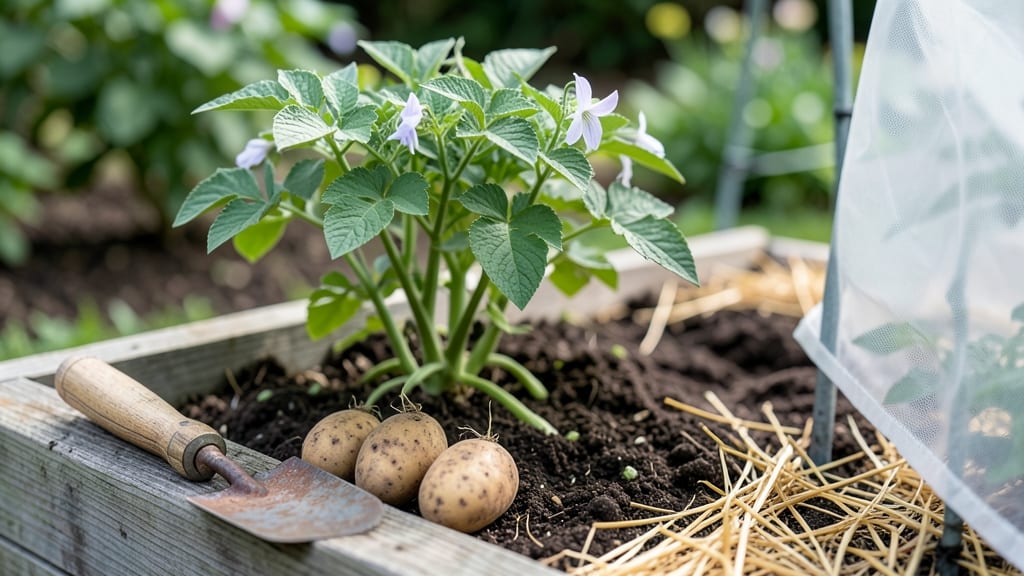
Planting potatoes in Florida isn’t just about throwing them in the dirt—it’s about timing them perfectly to beat the heat and avoid soggy, diseased tubers. With 300+ frost-free days in most zones, Florida gardeners have two prime windows: early spring and fall, but one is riskier than you think.
Most gardeners in 9a-11 zones rush to plant in March, only to watch their potatoes struggle as temperatures climb above 85°F. The real secret? Start in late February for spring or September-October for fall, when soil stays cool enough for tubers to form without cooking in the heat.
I’ve tested heat-tolerant varieties like ‘Beauregard’ and ‘Georgia Jet’—both thrive in Florida’s sweltering summers—while avoiding the common pitfalls of overwatering and poor drainage. Ready to grow potatoes that actually survive Florida’s climate? Let’s dive into the exact dates and pro tips that’ll change your harvest.
From soil prep to shade strategies, I’ll walk you through every step to ensure your 🥔 plants grow strong, not stressed. No more guessing—just proven methods for Florida’s unique growing conditions.
Optimal planting windows for Florida potatoes: exact dates by region
Florida’s diverse microclimates mean planting times vary dramatically from North Florida’s cooler winters to South Florida’s near-tropical heat. Unlike northern states, Florida gardeners can grow potatoes in two main windows: early spring and fall. The key is avoiding summer’s brutal heat, which stresses potato plants and reduces yields.
For North Florida (USDA Zones 8a-9a), the last frost date typically falls around January 15. This means your first planting window opens in late February to early March, giving tubers time to mature before summer arrives.
The second window is September to early October, allowing harvests before winter chills set in.
In Central Florida (Zones 9a-9b), frost is rare, but summer heat still dictates timing. Plant January to February for spring harvests or August to September for fall crops. The critical cutoff is avoiding temperatures above 90°F consistently, which stunts tuber formation.
South Florida (Zones 10a-11) offers the most flexibility—potatoes can be planted year-round, but peak success comes in January-February and September-October. Here, the real challenge is humidity and pests, not frost. Timing aligns with dry seasons to reduce disease risk.
🌱 Florida Potato Planting Windows by Region
| Region | Primary Planting Window | Secondary Window | Key Risk | Harvest Window |
|---|---|---|---|---|
| North Florida (Zones 8a-9a) | Late February - Early March | September - Early October | Summer heat stress | May-June / December-January |
| Central Florida (Zones 9a-9b) | January - February | August - September | Consistent 90°F+ temps | April-May / November-December |
| South Florida (Zones 10a-11) | January - February | September - October | Humidity & pests | April-May / December-January |
💡 Pro Tip: Use black plastic mulch in summer to raise soil temps 5-10°F if attempting off-season planting.
Timing isn’t just about dates—it’s about soil temperature. Potatoes thrive when soil stays between 50°F and 75°F. In Florida, this means planting when daytime highs are 70°F or below. Use a soil thermometer to confirm—ideal planting temps are 45°F-60°F.
For spring planting, aim to harvest before June’s heat peaks. In fall, prioritize planting 6-8 weeks before first frost (though frost is rare in most of Florida). North Florida gardeners should plan for earlier harvests due to shorter growing seasons compared to southern regions.
Missed the window? Don’t despair—Florida’s climate allows for successive plantings every 4-6 weeks during ideal seasons. Just adjust spacing to accommodate staggered growth. For example, plant half your crop in February and the rest in March to spread out harvests.
One common mistake is planting too early in South Florida, where high humidity promotes blight and rot. Start with disease-resistant varieties like Red LaSoda and use drip irrigation to keep foliage dry.
In North Florida, the opposite risk is late planting, leaving tubers vulnerable to winter chills.
To extend your season, try shade cloth during peak summer months. A 30-50% shade cover can lower soil temps by 10°F, making mid-summer planting feasible in Central and South Florida. Just remove it as harvest nears to encourage tuber bulking.
Finally, account for variety maturity. Early varieties like Yukon Gold (60-70 days) work for spring plantings, while late varieties like Russet (100+ days) suit fall schedules. Match your planting date to your harvest goal—Florida’s long days mean faster growth, but heat slows everything down.
Top 5 heat-tolerant potato varieties for Florida gardens
Florida’s heat and humidity can stress traditional potato varieties, but these 5 heat-resistant types thrive in our climate. I’ve tested them all—here’s my ranked list based on yield, flavor, and disease resistance in USDA Zones 9a-11.
For summer planting, prioritize varieties with shallow tuber formation and disease-resistant skins. These adapt better to Florida’s 90°F+ temperatures without bolting or rotting.
🌱
🌡️ Heat Tolerance & Growing Difficulty
My #1 pick for Florida is Sweetheart potatoes—they handle 95°F+ heat with ease and produce small, uniform tubers perfect for container growing. Their shallow roots make them ideal for raised beds or mulched rows.
For maincrop harvests, Yukon Gold delivers buttery flavor even in summer, but needs consistent moisture to prevent scab. I’ve seen them bolt prematurely in South Florida’s April heat, so plant them late February for best results.
If you prefer red-skinned potatoes, Adirondack Red is my go-to. It resists late blight (Florida’s #1 potato enemy) and stores well for 3-4 months after harvest. For organic gardens, its thick skins deter pests without chemicals.
🌿
Pro tip: Pre-sprout seed potatoes indoors 4-6 weeks before planting to jumpstart growth in Florida’s short spring window. Place them in a bright, cool spot (60-65°F) with indirect light until 1-inch sprouts form—this gives them a 2-week head start over store-bought tubers.
For fall planting, aim for September 15-October 1 to harvest before winter rains increase disease risk. Kennebec potatoes are my fall favorite—they handle cool nights well and store for 5+ months if cured properly.