
Plants
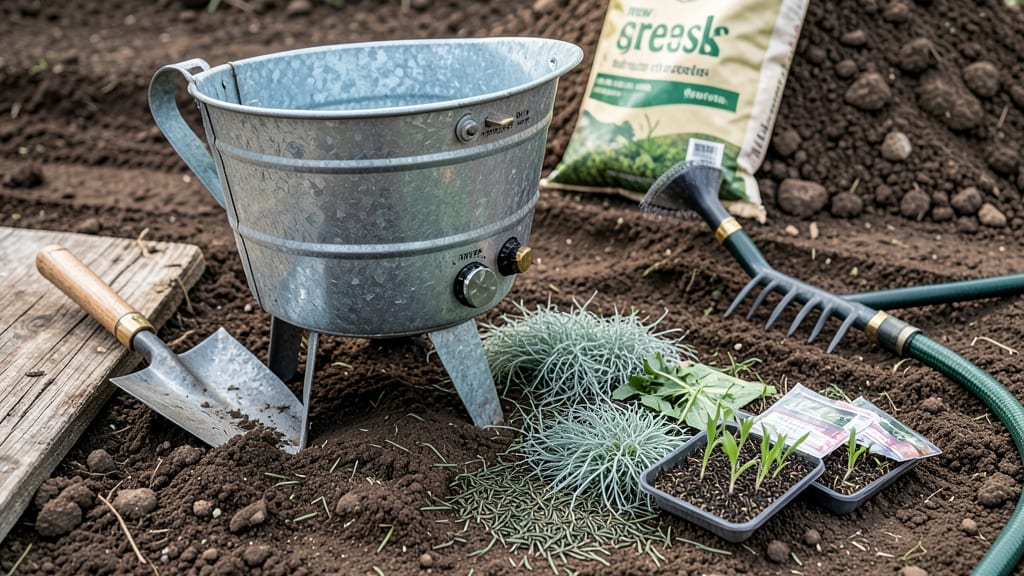
Planting grass seed at the wrong time in spring can leave you staring at bare patches for months—no matter how much you water. The key isn't just waiting for warm weather; it's about soil temperature, frost risk, and knowing exactly when your region's 🌱 grass is ready to thrive.
Most gardeners assume "spring" means anytime after March, but planting too early—when soil is still cold—delays germination by weeks. In Zone 6a, like many northern climates, the ideal window opens 4-6 weeks before your last frost date, typically mid-April.
That's when soil hits 50-65°F, the sweet spot for seed activation.
Here's what you'll discover: how to check soil readiness without a fancy thermometer, why late April can be too late in some areas, and how to adjust timing for shady spots or clay soil. No more guesswork—just a lush lawn that starts strong.
Whether you're seeding a new yard or patching thin spots, these science-backed tips will help you avoid common mistakes. Let's get your grass off to the right start this season.
Ideal soil temperature and frost-free guidelines for spring grass planting
Spring is the perfect time to plant grass seed, but timing is everything. The soil temperature must be just right—too cold and seeds won’t germinate, too warm and they may dry out or attract weeds.
For most cool-season grasses (like Kentucky bluegrass or fescue), aim for soil temps between 50–65°F (10–18°C). Warm-season grasses (like Bermuda or Zoysia) prefer 70–75°F (21–24°C) and should wait until late spring or early summer.
Your last frost date is another critical marker. Plant 4–6 weeks before the average last frost in your area. This gives seeds time to germinate before summer heat arrives.
For example, in USDA Zone 5, that’s typically mid-April, while in Zone 8, it’s closer to early May. Always check your local frost-free date for accuracy.
Here’s the key: soil warmth matters more than air temperature. Use a soil thermometer to check depth (about 2–4 inches down). If it’s consistently in your target range for 3–5 days, it’s time to plant.
Pro tip: Morning soil temps are often cooler, so test in the afternoon for a truer reading.
🌱
Regional microclimates can throw off your timing. For instance, urban areas often stay warmer than rural spots, while shady lawns cool down faster. If you’re unsure, start with a small test patch of seed to gauge germination speed.
This helps you adjust for local conditions without risking a full lawn failure.
Another pro move: Pre-warm cold soil by covering it with black plastic for 1–2 weeks before planting. This trick speeds up soil warming by 10–15°F, giving you an earlier start. Just remove the plastic 24–48 hours before seeding to avoid overheating the seeds.
Don’t wait until the last possible moment—late plantings often struggle with summer heat stress or weed competition. Aim for early spring (March–April in most zones) to give your grass a 6–8 week head start before summer’s intensity. Patience here pays off with a thicker, healthier lawn.
🌿
If you’re in a transition zone (like Zone 6–7), consider planting cool-season grasses in early fall instead. This avoids the late-spring heat while still giving roots time to establish before winter. For warm-season grasses, late spring (May–June) is ideal—just be prepared to water deeply as temps rise.
Finally, avoid planting when weeds are exploding. Weeds like crabgrass thrive in warm, disturbed soil—same conditions your grass seed needs. If your lawn is overrun with weeds, tackle them first with pre-emergent herbicides or manual removal before seeding.
✂️
5 Critical signs your spring lawn is ready for grass seed (beyond the calendar)
Spring’s unpredictable weather can make it tough to pinpoint the perfect moment to plant grass seed. While checking the calendar helps, your lawn itself holds the best clues. I’ve learned to watch for these 5 key signs that confirm your soil and conditions are just right—no guesswork required.
First, check for consistent soil moisture without standing water. Stick your finger 1-2 inches deep—if it feels damp but not soggy, the soil is primed. Overly wet soil can suffocate seeds, while dry soil will delay germination.
Aim for that spongy yet crumbly texture that holds moisture like a well-wrung sponge.
Next, observe weed emergence in your lawn. When weeds like crabgrass or chickweed start sprouting vigorously, it’s a sign the soil temperature has warmed to the 50-65°F range—ideal for cool-season grasses. These weeds are nature’s way of telling you the ground is ready for planting.
The appearance of early bloomers like dandelions or clover signals warming soil too. While they’re not welcome guests, their presence means your lawn’s ecosystem is waking up. Pair this with dormant grass turning green along lawn edges, and you’ve got a double confirmation that spring’s truly sprung.
Here’s where most gardeners miss the mark: don’t wait for perfect weather. A few days of light rain after planting is ideal, but don’t delay just because the forecast calls for sun.
Grass seeds need moisture consistency more than perfect skies. If your soil’s ready and the forecast shows stable temperatures above 50°F for a week, go ahead and sow.
Finally, test the soil temperature with a simple thermometer (or even your wrist—if it feels warm but not hot, you’re in the zone). Cool-season grasses like Kentucky bluegrass and fescue thrive at 50-65°F, while warm-season types such as Bermuda prefer 65-75°F.
Pro tip: Morning soil temps are usually 5°F cooler than afternoon readings.