
Plants
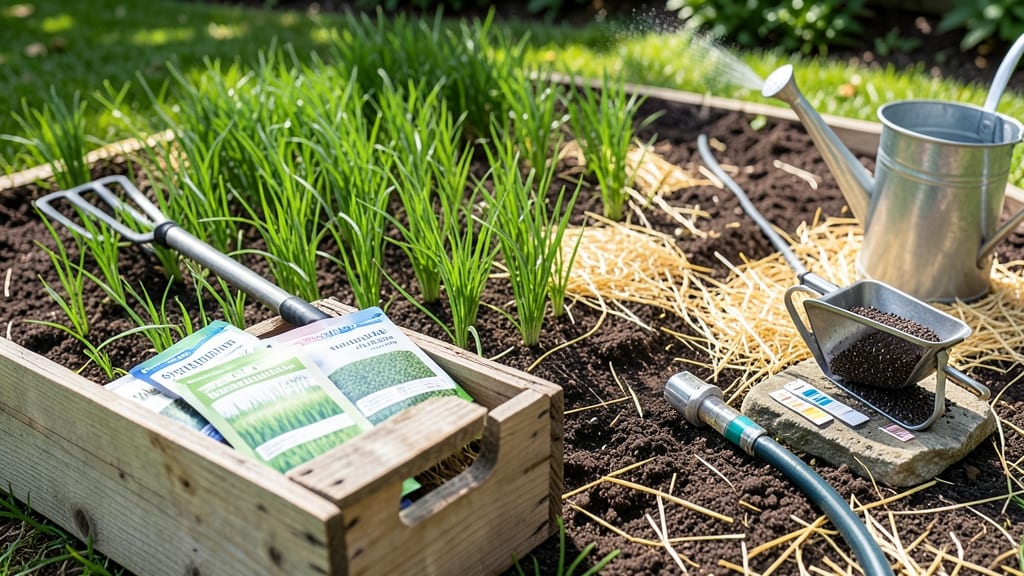
Planting grass seed in the fall is your golden ticket to a thicker, greener lawn—but get the timing wrong, and you’ll end up with patchy, weak growth that struggles through winter.
The secret window for cool-season grass like 🌱 Lawn Grass in USDA Zone 6a isn’t just about avoiding frost; it’s about giving those seeds the perfect balance of warmth and moisture to take root before the ground freezes.
Most gardeners assume "fall" means September, but the truth is, the ideal planting window shifts depending on your first frost date.
In Zone 6a, where the average first frost hits around October 15, you’ve got just 4-6 weeks to work—starting 4-6 weeks before frost ensures your grass establishes deep roots before winter sets in.
Why does this matter? Fall seeding gives you a head start on spring lawns because cooler temperatures reduce weed competition, and consistent rainfall (or your watering) keeps the soil moist without the scorching heat of summer.
Plus, established roots mean your lawn bounces back faster in spring, saving you time and money on repairs.
In this guide, I’ll break down the exact planting dates for your region, how to prep your soil for success, and the 3 biggest mistakes that kill fall grass seed—so you can skip the guesswork and grow a lawn that’s the envy of the neighborhood. Let’s get started.
Best fall planting window for grass seed by region (with exact dates)
Fall is my favorite time to transform a lawn—cooler air, fewer weeds, and perfect soil temperatures for grass seed to thrive. But timing matters. Plant too early, and seeds rot; too late, and roots won’t establish before frost.
The ideal window is 4-6 weeks before your first frost date, when soil temps hover between 50-65°F.
Northern regions (USDA Zones 3-5) should aim for late August to mid-September, while Southern zones (6-9) can stretch into early October. Check your local USDA Plant Hardiness Zone—it’s your best guide.
For example, in Zone 5, I plant by September 15th to avoid early frosts, while in Zone 8, I can push to October 15th.
| Region | USDA Zone | Best Planting Window | Soil Temp Goal |
|---|---|---|---|
| Northern U.S. | 3-5 | Late August – Mid-September | 50-60°F |
| Midwest U.S. | 5-7 | Early September – Early October | 55-65°F |
| Southern U.S. | 8-10 | Mid-September – Mid-October | 60-70°F |
| Pacific Northwest | 7-9 | Late August – Late September | 55-65°F |
🌱 Pro Tip: Use a soil thermometer to confirm temps—seeds won’t germinate below 50°F.
Adjust for early frosts! If your area has a history of unpredictable cold snaps, plant 2-3 weeks earlier. I once planted tall fescue in late September in Zone 6, only to see frost hit two weeks later—my lawn stayed patchy for a year.
Always check your local frost dates (like the National Weather Service) and subtract 6 weeks for safety.
Cool-season grasses like Kentucky bluegrass, tall fescue, and ryegrass love fall’s mild temps. These varieties germinate faster in 50-65°F soil than in spring’s fluctuating heat. Warm-season grasses (Bermuda, Zoysia)? Skip fall—plant in late spring instead.
Rainfall matters too! Aim for 1 inch of rain per week or water manually. If drought hits, use a light mulch (like straw) to retain moisture. I’ve seen seeds dry out in hot, windy Septembers—don’t let that happen to you.
For overseeding an existing lawn, follow the same rules but mow short first (1-1.5 inches) and aerate 2-3 days before planting. I overseed my Kentucky bluegrass in early September, and by October, the thin spots were dense and green.
Miss the window? Don’t panic. If you plant 3-4 weeks before frost, seeds may still germinate but grow slowly. Just protect them with frost blankets on cold nights.
I’ve had success planting ryegrass in late October with a $20 frost blanket—it survived winter and greened up early in spring.
Remember: Fall planting = stronger roots before winter. That’s why pros swear by it. With the right timing, your lawn will outperform spring plantings by 30-50%—and that’s a fact backed by University of Nebraska studies.
5 Signs your fall grass planting timing is perfect (and 3 mistakes to avoid)
Timing your grass seed planting in fall isn’t just about picking a month—it’s about reading your local climate and soil conditions. The ideal window is when daytime temps hover between 60-75°F and nights dip to 40-50°F. This balance gives seeds time to germinate before winter slows growth.
Miss this window, and you risk seed rot (planting too early) or weak roots (planting too late). The key is soil warmth, not air temperature—use a soil thermometer to confirm it’s 50-65°F at 2 inches deep before seeding.
🌱
✅ 5 Signs You’re Ready to Plant
- 🌡️ Soil temp is 50-65°F at 2" depth (test with a thermometer).
- ☀️ Daylight is shortening but still provides 6+ hours of sun daily.
- 🌧️ Rainfall averages 1 inch/week (or you’re prepared to water deeply).
- 🍂 Weeds are dying back naturally—ideal for seed-to-soil contact.
- ⏰ 4-6 weeks remain until your first frost date.
Conversely, 3 common mistakes derail fall planting: seeding too early (when soil is still warm, inviting fungal diseases), waiting until November (roots won’t establish before freeze), or ignoring local microclimates (e.g., south-facing slopes warm longer than shaded areas).
Pro tip: Overseeding existing lawns in fall works best when your grass is actively growing but weeds aren’t. Look for green blades with white flower stalks on cool-season grasses—this signals it’s time to core aerate and seed.
🌿
For Southern states, push planting into early November if frost is rare, but Northern regions should finish by mid-October. Always check your USDA zone and local agricultural extension for hyper-local advice—even a 1-week delay can mean the difference between a thick lawn and a patchy one.