
Plants
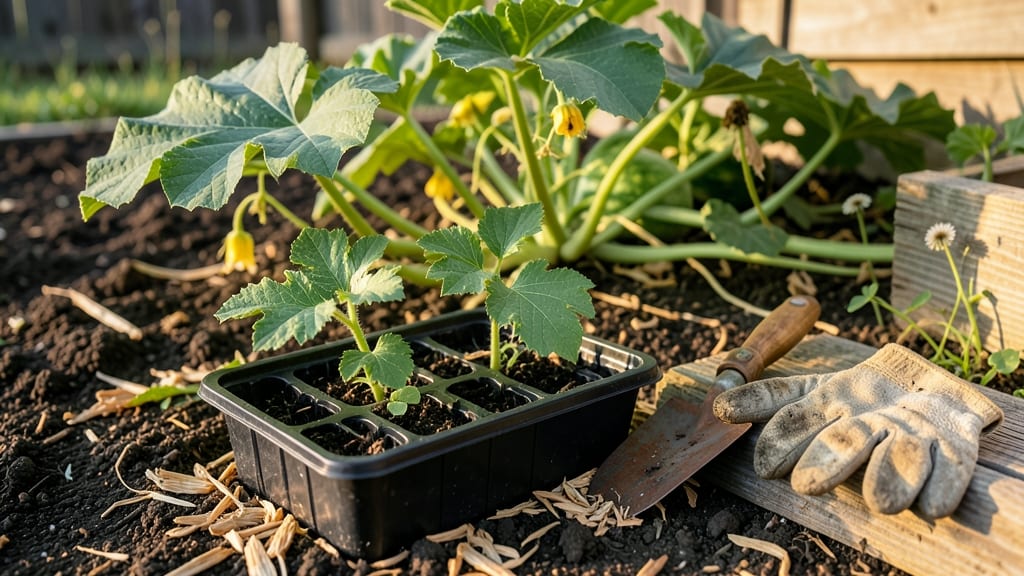
Planting watermelon in Missouri isn’t just about tossing seeds into the dirt and hoping for the best—it’s about timing your moves with the state’s fickle spring weather. Missouri’s 5b-6a zones demand precision: plant too early, and frost will nip your seedlings; too late, and you’ll miss the sweet summer harvest window.
The key lies in waiting for soil temperatures to hit at least 70°F and avoiding those late-April cold snaps that sneak into northern counties like a thief.
Most gardeners in Missouri’s heartland—think St. Louis, Kansas City, or Springfield—aim for mid-April to mid-May, but your exact window depends on whether you’re direct-sowing or transplanting.
Rural areas with slower warming soils might need to push back until early May, while urban heat islands could start as early as late April. The goal? Get those 🍉 seeds in the ground when the last frost has fled (usually by April 15, but always check your county’s average).
Here’s the game-changer: soil temperature matters more than the calendar. Use a simple soil thermometer to confirm it’s ready—watermelons are heat-lovers, and cold soil will stall their growth faster than a Missouri summer storm can roll in.
Black plastic mulch can shave weeks off your waiting game by warming the soil faster, giving you an edge in the state’s shorter growing seasons.
Whether you’re a first-time gardener or a veteran with blistered hands, nailing this timing will mean the difference between juicy, vine-ripened watermelons in July and August or sad, stunted plants that never deliver. Let’s break down the exact steps to plant yours at the perfect moment—no guesswork, just results.
Missouri county heat zones: optimal watermelon planting dates by last frost date
Missouri’s diverse climate means your watermelon planting window can vary by 10 days or more depending on whether you're in northern St. Louis or southern Cape Girardeau. Watermelons (Citrullus lanatus) are heat-loving annuals that need consistent temperatures above 70°F to thrive.
Planting too early risks frost damage, while waiting too late cuts your harvest window.
Most Missouri counties fall between USDA Zones 5b-7a, with last frost dates ranging from April 15 in northern areas to March 15 in southern regions.
For maximum yield, aim to plant 2-3 weeks after your local last frost date—this gives soil time to warm and reduces transplant shock. In Zone 5b (north), that’s mid-May; in Zone 7a (south), you can start as early as late March.
Direct sowing is ideal for watermelons since they hate transplanting. If you start seeds indoors, wait until soil temps reach 75°F and nighttime temps stay above 55°F before moving plants outside.
A black plastic mulch can warm soil by 5-10°F, letting you plant 1-2 weeks earlier in cooler zones.
🌱
| Region | USDA Zone | Last Frost Date | Optimal Planting Window | Harvest Window |
|---|---|---|---|---|
| Northern MO (St. Louis, Kansas City) | 5b-6a | April 15-May 1 | May 15-June 1 | July 15-August 30 |
| Central MO (Columbia, Springfield) | 6a-6b | April 1-May 1 | April 30-May 15 | June 30-August 15 |
| Southern MO (Cape Girardeau, Poplar Bluff) | 7a-7b | March 15-April 1 | March 30-April 15 | June 15-September 1 |
| Rural/Western MO (Joplin, Kirksville) | 5b-6a | April 10-April 25 | May 1-May 10 | July 1-August 20 |
For St. Louis gardeners, aim for May 1-15—this balances frost risk with summer heat. In Kansas City, wait until May 10-20 to avoid late spring cold snaps.
Southern Missouri’s longer growing season lets you try early varieties like Sugar Baby as soon as mid-March, but even there, soil temperature is your true guide.
If you’re in a microclimate (e.g., a low-lying area or near a large body of water), check your local cooperative extension service for precise frost data. Urban heat islands can push planting dates 1 week earlier in cities like St. Louis compared to rural areas just 20 miles away.
Pro tip: Use biodegradable seed starter pots if you must transplant. Watermelons develop sensitive root systems, and even a 1-day delay in hardening off can reduce yields by 20-30%. For direct sowing, plant seeds
5 Critical factors that determine your exact planting window in Missouri
Missouri’s last frost dates vary wildly—from late April in southern counties like Cape Girardeau to early June in northern areas like St. Joseph. But frost isn’t the only factor. Soil temperature, humidity levels, and even day length can shift your ideal planting window by weeks.
Let’s break down what truly matters for your watermelon success.
First, soil temperature is non-negotiable. Watermelons need soil at least 70°F to germinate—any cooler, and seeds rot in the ground. In Missouri, this typically means waiting until mid-May in northern zones (5a-5b) but as early as late April in southern regions (6a-7a).
Use a soil thermometer for 3 consecutive days to confirm readiness.
Humidity plays a sneaky role too. Missouri’s rural areas often have drier air, while southern counties like Scott County can feel like a swamp in summer. High humidity slows germination, so if your forecast shows 70%+ humidity for 5+ days, delay planting by 1-2 weeks to avoid moldy seeds or damping-off disease.
Don’t overlook day length—watermelons thrive with 14+ hours of daylight. In Missouri, this typically starts in late May. Planting too early (e.g., early April) can leave vines stretched and weak, reducing fruit set. Check your local sunrise/sunset times and aim for mid-May in most regions.
Missouri’s microclimates can shift planting windows by weeks. For example, a south-facing slope in St. Louis warms up 2-3°F faster than a low-lying area near the Missouri River. If your garden sits on a hill, you can plant 1-2 weeks earlier than the county average.
Conversely, valleys and river bottoms stay cooler longer—add black plastic mulch to warm the soil faster.
Finally, watch for late spring cold snaps, especially in northern Missouri. Kansas City, for example, averages 1 late frost after May 10. If you’re transplanting seedlings, use frost cloth or a mini greenhouse until the threat passes. For direct sowing, wait until mid-May to avoid seedling loss.
Pro tip: Bookmark the Missouri Climate Center’s frost maps (https://agweather.missouri.edu) and check their 7-day soil temperature forecasts before planting. A few extra days of patience can mean the difference between wilted vines and bountiful harvests.