
Plants
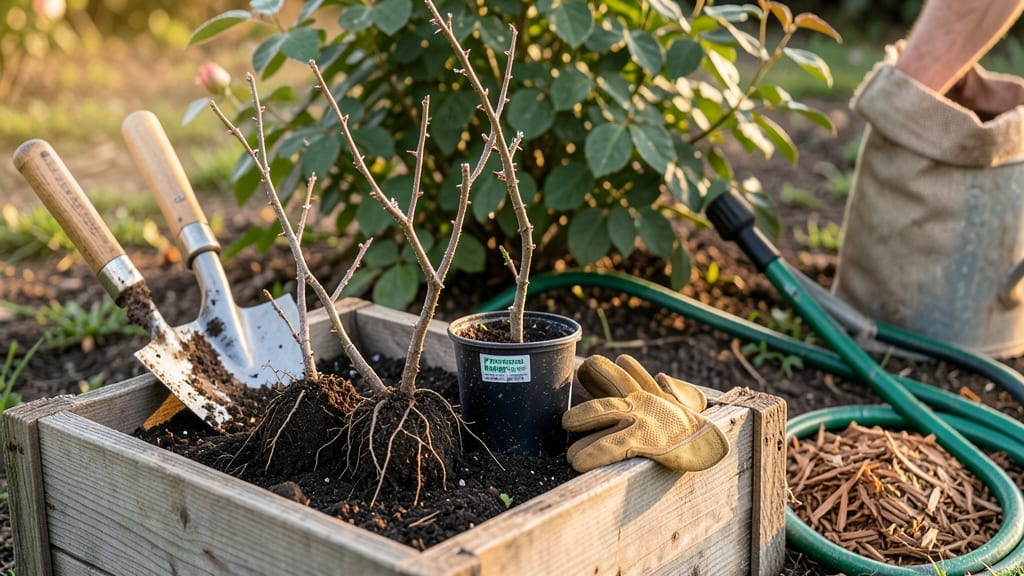
Planting roses in Texas isn’t just about timing—it’s about surviving the brutal heat while avoiding the rare but deadly frost. Get the schedule wrong, and your prized 🌹 could wither before it even blooms.
With Texas heat zones ranging from 7b-10b, knowing when to plant makes all the difference. Whether you're in North Texas with its late frosts or South Texas where summer arrives early, the right window ensures strong root growth before the heat sets in.
Most gardeners swear by fall planting, but early spring works too—if you act fast. I’ll break down the exact months for your region, plus soil prep secrets that keep roses thriving despite Texas’ extreme conditions.
Ready to grow roses that outlast the heat? Let’s dive into the perfect planting timeline for your Texas garden.
Texas rose planting calendar: exact months by heat Zone (avoid frost & heat shock)
Texas isn’t one-size-fits-all when it comes to planting roses. The Lone Star State’s heat zones (7-10) mean your North Texas garden (like Dallas) has different rules than South Texas (like San Antonio). Plant too early, and a late frost can kill your roses.
Plant too late, and the summer heat wave will shock tender roots. Let’s break it down by month and zone so your roses thrive.
Most Texas gardeners swear by fall planting (October-November) because cooler temps help roots establish before summer. But early spring (February-March) works too—just avoid April’s scorching heat. The key? Timing your transplant to beat the 100°F+ temperatures that can bake young roots in the ground.
Here’s your heat-zone-specific planting calendar with exact months, soil prep tips, and how to protect your roses from Texas extremes:
| Zone | Ideal Planting Months | Soil Prep Time | Key Consideration |
|---|---|---|---|
| 7b-8a (North TX: Dallas, Fort Worth) | Oct 15–Nov 15 Feb 15–Mar 15 |
Sept-Oct (fall) Jan-Feb (spring) |
Frost risk until late Feb; mulch 4-6 inches deep. |
| 8a-9a (Central TX: Austin, San Marcos) | Oct 1–Nov 30 Feb 1–Mar 15 |
Sept-Oct (fall) Jan-Feb (spring) |
Avoid April planting—heat shock kills roots. |
| 9a-10b (South TX: Corpus Christi, Brownsville) | Oct 15–Dec 15 Jan 15–Feb 15 |
Sept-Oct (fall) Dec-Jan (spring) |
No frost risk—plant container-grown roses year-round. |
🌹 Pro Tip: Use heat-resistant varieties like 'Knock Out' or 'Belinda’s Dream' for South Texas.
If you’re in North Texas (Zone 7b-8a), hold off until after the average last frost date (Jan 31). For Central Texas (Zone 8a-9a), you’ve got a slightly longer window, but avoid April planting—the soil can hit 90°F+, cooking roots before they adjust.
South Texas gardeners? You’re in luck—plant year-round, but fall is still best for bare-root roses.
One critical mistake I see? Gardeners in Zone 9+ planting in March-April and expecting instant blooms. Wrong. Even drought-tolerant roses need 4-6 weeks to root before summer hits. Water deeply 2-3x/week until established, and use mulch to lock in moisture.
For bare-root roses, soak roots for 4-6 hours before planting in fall.
If you’re using container-grown roses, plant them 1-2 inches deeper than their pot to encourage root growth. Amend soil with compost and sand (Texas clay is notorious for poor drainage), and add a slow-release fertilizer at planting time.
Remember: Texas heat isn’t just about temperature—it’s about humidity and soil heat. In South Texas, afternoon shade can help young roses survive the 100°F+ afternoons. Use lightweight row covers for the first 2 weeks post-planting to shield them from windburn and sun scald.
Your first blooms might not appear until the second year, but with the right timing, your roses will outlast the heat and reward you with vibrant blooms from spring to fall.
Start with the right month, and you’ll be sipping sweet tea under your rose arbor in no time.
Now that you’ve got the perfect planting window, let’s talk soil prep and rose hardening—because even the best timing won’t save you if your roses aren’t ready for Texas’ extremes. 🌿
How to prepare soil & roses for Texas heat: pre-planting secrets for survival
Texas heat can turn your roses into crispy snacks if you don’t prepare them properly. The key is soil amendment and hardening—two steps most gardeners skip. I’ve learned the hard way that roses planted without these prep steps often struggle through our brutal summers.
Start with soil testing—Texas clay holds moisture like a sponge, but roses need well-draining soil. Aim for a pH between 6.0-6.5. If your soil tests high in clay, mix in 2-3 inches of compost and sand to improve aeration.
For sandy soils, add peat moss to retain moisture.
Choose heat-resistant rose varieties like Knock Out roses or Earth-Kind roses, bred to thrive in Texas conditions. These varieties handle 100°F+ temps better than traditional hybrids. I planted Dr. Huey and Apache last year—they bloomed nonstop even during July’s heat waves.
Before planting, harden off container-grown roses by placing them outside for 2-3 hours daily, gradually increasing exposure over 7-10 days. This toughens their leaves and stems, preventing heat shock when you transplant them.
Mulch is non-negotiable in Texas gardens. Apply 3-4 inches of organic mulch (like pine bark or shredded leaves) around the base of your roses. This keeps roots 5-10°F cooler during summer and retains moisture. I’ve seen mulched roses survive three-week droughts where unmulched ones wilted.
Water deeply once a week for the first month after planting to encourage root growth. Use a soaker hose or drip irrigation to avoid wetting leaves, which can cause fungal diseases like black spot.
Early morning watering (before 10 AM) is ideal—it gives foliage time to dry before humidity spikes.
Pro tip: Shade cloth can save your roses during the hottest months (June-August). A 30-50% shade cloth over new plants reduces stress while they establish. Remove it after 6-8 weeks to let them acclimate to full sun.
- 🌱 Test soil pH (aim for 6.0-6.5) and amend with compost/sand for drainage.
- 🌿 Choose heat-resistant varieties like Knock Out or Earth-Kind roses.
- 🪴 Harden off container roses over 7-10 days before transplanting.
- 💧 Water deeply once weekly for the first month (early morning only).
- 🪶 Apply 3-4 inches of mulch to retain moisture and regulate root temperature.
- ☀️ Use 30-50% shade cloth during peak summer heat (June-August).
One mistake I made was planting roses in late spring without proper soil prep. The heat zapped their energy before roots could establish. Now, I always plant in fall (October-November) or early spring (February)—when temps are cooler and roots can grow unchecked.
With these steps, your roses will outlast Texas summers and reward you with vibrant blooms all season long. The secret? Preparation—not just planting and hoping for the best.