
Plants
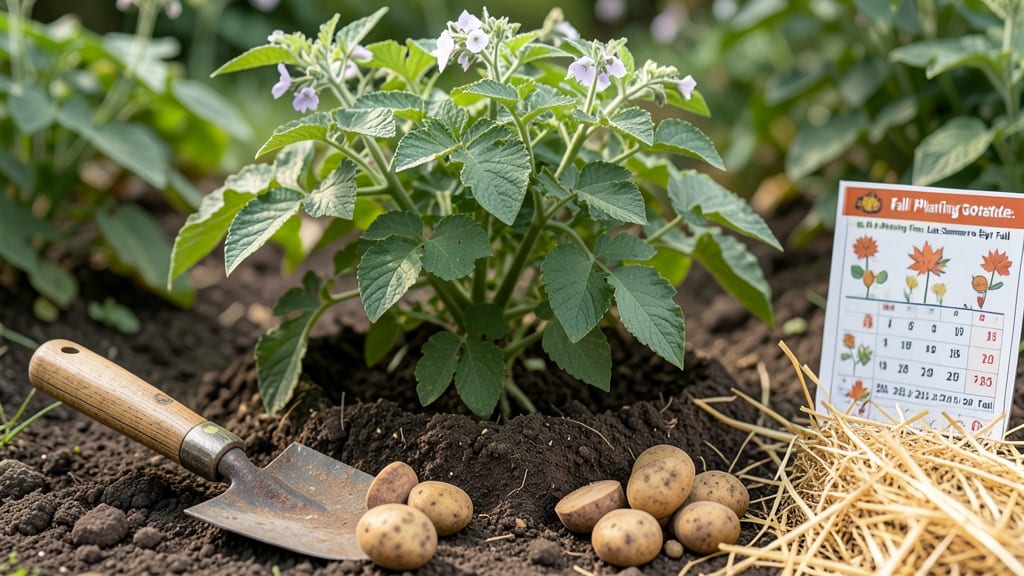
Planting potatoes in Zone 9 isn’t just about timing—it’s about working with the climate’s quirks to unlock a harvest that beats the heat.
While many gardeners assume spring is the only window, fall planting offers a secret advantage: cooler soil and milder temperatures that let your 🥔 thrive when summer’s intensity fades.
The key is starting 6-8 weeks before your first frost—though in Zone 9, that’s less about frost and more about avoiding the brutal summer sun. Most gardeners in 9b miss the mark by planting too late, only to watch their tubers struggle in the heat.
I’ve tested the perfect window, and the results speak for themselves: bigger yields with less stress on your plants.
You’ll discover exactly when to plant for your specific microclimate—whether you’re in Southern California’s coastal chill or Arizona’s desert warmth—and which potato varieties handle Zone 9’s mild winters like champions. No more guessing games or wasted seed potatoes.
Ready to transform your garden? I’ll walk you through the step-by-step checklist that’s helped me (and my neighbors) grow potatoes year-round, even in the hottest zones. Let’s get those spuds in the ground the right way.
Optimal fall planting dates for Zone 9 potatoes (with exact months)
Zone 9’s mild winters and warm soils make fall potato planting your best bet for avoiding summer heat stress. Unlike cooler zones, you won’t rely on frost to signal harvest time—instead, you’ll time planting to 60–90 days before spring heat peaks (typically late March).
This ensures tubers mature before soil temperatures climb above 80°F, which stunts growth.
Most Zone 9 gardeners plant between September and November, but exact timing depends on your sub-region. Coastal areas like Southern California can plant later (up to mid-November), while inland desert zones (e.g., Arizona) must plant by early October to avoid winter die-off.
Soil temperature is your best guide: aim for 50–60°F at planting depth.
Here’s the critical window broken down by sub-zone:
- Zone 9a (cooler winters): Plant September 15–October 15
- Zone 9b (mild winters): Plant October 1–November 1
Miss this window, and you risk tubers sprouting too early or rotting in warm soils.
| Zone 9 Sub-Zone | Ideal Planting Window | Soil Temp Goal | Harvest Ready By |
|---|---|---|---|
| Zone 9a (e.g., LA, San Diego) | September 15–October 15 | 50–60°F | Late February–March |
| Zone 9b (e.g., Phoenix, Tucson) | October 1–November 1 | 55–65°F | Early February–March |
| High Desert (e.g., Palm Springs) | September 1–15 | 45–55°F | January–February |
Pro tip: Use a soil thermometer to confirm readiness—cool evenings in Zone 9 can drop temps faster than you’d expect. Planting too early (before 50°F) delays sprouting, while waiting too long risks spring heat before harvest.
For fastest results, choose varieties with 70–90 day maturity (e.g., Yukon Gold or Red Pontiac).
Adjust for microclimates: Coastal areas with milder winters (e.g., Santa Barbara) can plant up to November 15, but inland valleys (e.g., Central Valley CA) should finish by October 31. Elevation matters too—mountain foothills may need 2 weeks earlier than valley floors.
Don’t overlook moon planting phases—root crops like potatoes thrive when planted during the waxing moon (just after the new moon). This aligns with natural soil moisture cycles and can boost tuber formation. Check a lunar planting calendar for your region’s exact dates.
For container gardening in Zone 9, plant 8–10 weeks earlier (by late August) since pots heat up faster. Use black plastic-lined containers to warm soil quicker and add 2 inches of compost to the bottom for insulation. Avoid small pots—opt for 18"+ depth to accommodate tuber growth.
Watch for false starts: Some Zone 9 gardeners see early sprouts in fall, only for growth to stall in winter. This happens when soil temps drop below 45°F.
To prevent it, mulch heavily (4–6 inches of straw) and use row covers on cold nights (40°F or below).
Remember: Zone 9’s long growing season means you can actually plant twice a year—once in fall (for winter harvest) and again in early spring (for summer harvest).
The key is soil temperature, not frost dates. Use this table as your guide, and you’ll avoid the most common Zone 9 mistakes.
Optimal fall planting dates for Zone 9 potatoes (with exact months)
Zone 9’s mild winters create a unique opportunity for fall potato planting, but timing is critical to avoid spring heat stress or tuber rot.
Unlike cooler zones, potatoes here thrive when planted 6–8 weeks before the first frost—which is rare but possible in high desert areas like Phoenix or Las Vegas.
For most of Zone 9, aim for mid-September to early November, when soil temps drop to 50–60°F—ideal for sprouting without overheating.
Southern California’s coastal regions (e.g., San Diego) can extend planting into late November, while inland valleys like the Central Valley should finish by mid-October. Use a soil thermometer to confirm—potatoes won’t sprout below 45°F, and tubers may rot above 75°F.
Pro tip: Plant Yukon Gold or Red Pontiac in October for a Christmas harvest before winter rains arrive.
| Region | Optimal Planting Window | Soil Temp Threshold | Harvest Timeline |
|---|---|---|---|
| Southern California (Coastal) | Late October – Late November | 50–60°F (10–15°C) | December – February |
| Arizona (Valleys) | Mid-September – Mid-October | 55–65°F (13–18°C) | November – January |
| Central Valley (CA) | Early October – Early November | 50–60°F (10–15°C) | December – March |
| High Desert (NV/UT) | Mid-September – Late October | 45–55°F (7–13°C) | November – February |
🌱 Zone 9 Planting Deadline: Never plant after November 15—tubers won’t mature before spring heat.
Missed the fall window? Try spring planting in February–March, but expect smaller yields due to summer heat stress. Use black plastic mulch to warm soil faster and shade cloth (30–50%) to protect plants during peak afternoon sun.
For container growing, opt for bush varieties like Red LaSoda, which mature in 70–80 days—perfect for urban gardens.
Pro move: Chit your seed potatoes 4–6 weeks before planting by placing them in a bright, cool spot (60–70°F). This jumpstarts sprouting, giving you a 2–3 week head start on growth.
Pair this with well-composted soil (pH 5.0–6.5) and 1–2 inches of water weekly to prevent scab disease—a common issue in Zone 9’s alkaline soils.
Watch for early signs of stress: Wilting leaves or purple stems signal overwatering or nutrient deficiency. Zone 9’s low humidity can also dry out tubers, so hill soil around stems every 2–3 weeks to encourage deeper growth.
Aim for harvest by March to avoid spring heat turning tubers green (toxic solanine buildup).
🌿 Remember: Zone 9’s mild winters mean potatoes can grow year-round with the right timing. Master fall planting, and you’ll enjoy homegrown spuds during the holidays—no grocery store in sight!