
Plants
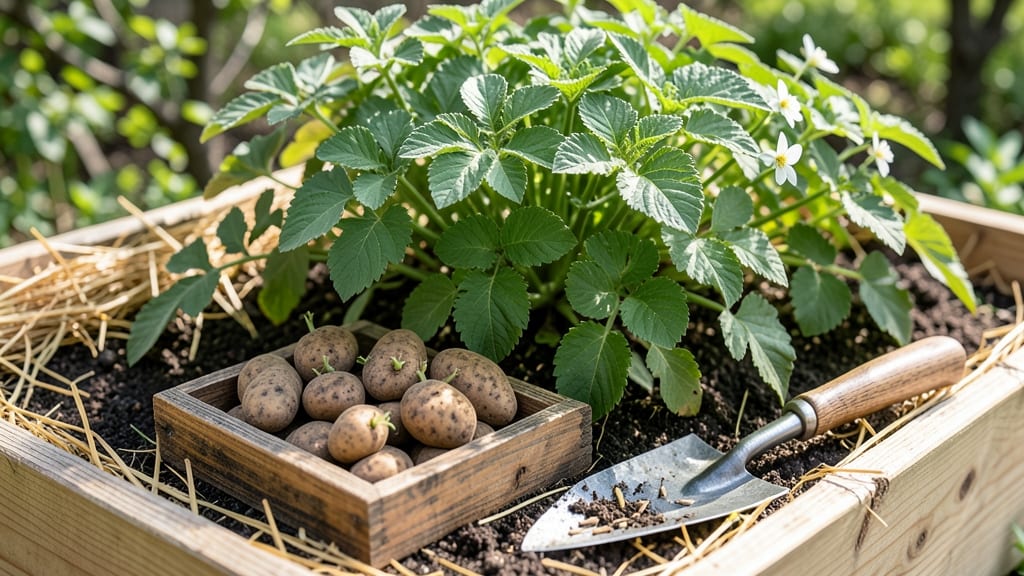
Timing when you can plant potatoes in Zone 5 can make or break your harvest—get it wrong, and you might end up with frost-bitten sprouts or stunted 🥔 tubers instead of a bountiful yield.
The key isn't just waiting for spring; it's understanding the frost-date math that ensures your potatoes thrive from soil to harvest.
Most gardeners in Zone 5 assume they can plant as soon as the ground is workable, but that’s a recipe for disappointment. The real secret lies in waiting until soil temperatures hit 45°F and counting back from your last average frost date.
This simple adjustment can add weeks to your growing season and protect your investment.
Whether you're using seed potatoes or sprouted tubers, the right timing also depends on your variety—early maturing types give you more flexibility, while late-season potatoes demand precision. I’ll walk you through exactly when to plant for perfect results, plus how to extend your season with smart techniques.
Ready to avoid common mistakes and maximize your harvest? Let’s break down the science and strategies so you can confidently plant your potatoes at the ideal moment—no guesswork required.
Zone 5 potato planting dates based on last frost timing
In Zone 5, potatoes thrive when planted after the last frost date but before the soil warms too much—aim for 2-4 weeks before your average last frost. This timing ensures tubers develop before summer heat stress.
For most of Zone 5, that’s mid-April to early May, but your exact window depends on microclimates and variety types.
Potatoes need 40-60 days to reach harvest for early varieties, so planting too late risks a shortened growing season. Use your local frost date (check the USDA Plant Hardiness Zone Map) as your starting point.
For example, in Chicago, average last frost is April 20, while in Boston, it’s May 10—adjust accordingly.
Soil temperature is just as critical as air temperature. Potatoes sprout best when soil reaches 45°F (7°C), but ideal planting occurs at 50-60°F (10-15°C). Use a soil thermometer to confirm readiness—cold, wet soil slows germination and invites rot.
Choose your potato variety based on your planting window. Early varieties (like Yukon Gold) mature in 60-70 days and can handle cooler soils, while late varieties (like Russet) need 90-110 days and warmer conditions. Plant early varieties first for a staggered harvest.
If you’re unsure about frost dates, use the "500 growing degree days" rule: Count the days from planting until the average daily temperature reaches 50°F (10°C). Most Zone 5 gardeners hit this by late April.
For container growing, start 2-3 weeks earlier since pots warm faster. Fill containers with lightweight, well-draining soil and place them in a sunny spot. Containers also let you move plants to extend the season if frost threatens.
Pro tip: Chit your seed potatoes (sprout them indoors) 4-6 weeks before planting. This gives you a head start and helps you spot diseased tubers before they go into the ground.
Zone 5 Potato Planting Timeline
| Variety Type | Planting Window (Zone 5) | Days to Harvest | Soil Temp. Needs | Best For |
|---|---|---|---|---|
| Early (e.g., Red Norland) | Mid-April to early May | 60-70 days | 45-55°F (7-13°C) | Cool climates, quick harvests |
| Mid (e.g., Yukon Gold) | Late April to mid-May | 75-90 days | 50-60°F (10-15°C) | Balanced seasons, all-purpose |
| Late (e.g., Russet) | Early May to early June | 90-110 days | 55-65°F (13-18°C) | Long seasons, storage |
| Container-Grown | Late April to mid-May (2-3 weeks earlier) | 60-90 days (varies) | 50-60°F (10-15°C) | Small spaces, patio gardens |
🌱 Note: Adjust dates 1-2 weeks earlier for southern Zone 5 or later for northern areas.
To fine-tune your planting date, observe your garden’s microclimate. South-facing beds warm faster than north-facing ones, so plant them first. If your area has late spring frosts, opt for frost-resistant varieties like Kennebec or use row covers for protection.
Test your soil’s readiness by pressing your finger into the ground. If it feels crumbly and dry to the touch, it’s ready. If it’s still soggy, wait 1-2 weeks—potatoes hate waterlogged soil. Amend clay soil with compost or sand to improve drainage.
Mark your calendar for late September to early October—this is when most Zone 5 gardeners harvest their last potatoes before the first frost. Early varieties can often be harvested sooner, but leave late varieties in the ground until the foliage yellows and dies back.
For a foolproof method, plant a test row of early potatoes 2 weeks before your target date. If they sprout and grow without frost damage, it’s safe to plant the rest of your crop.
Zone 5 potato planting dates based on last frost timing
Potatoes thrive when planted after the last frost but before the soil gets too hot—aim for 48-60 days before your average last spring frost. In Zone 5, this typically lands between late April and mid-May, but exact timing depends on your local microclimate and potato variety.
Early varieties like Yukon Gold can handle cooler soil, while late varieties like Russet Burbank need warmer conditions. Always check your USDA Zone 5 frost dates (usually April 15–May 15) and count backward from there.
Soil temperature is just as critical as air temperature—potatoes won’t sprout until the soil reaches 45–50°F. Use a soil thermometer to confirm readiness before planting.
For container planting, start 2–4 weeks earlier since pots warm up faster. Place containers in a sunny spot and use well-draining soil mixed with compost to mimic ideal garden conditions.
If you’re unsure about your last frost date, check your local Cooperative Extension Service or use a frost calendar app. Planting too early risks frost damage, while planting too late may cut your harvest short.
Pro tip: Chit your seed potatoes (sprout them indoors) 4–6 weeks before planting to jumpstart growth and ensure a faster harvest.