
Companion Plants
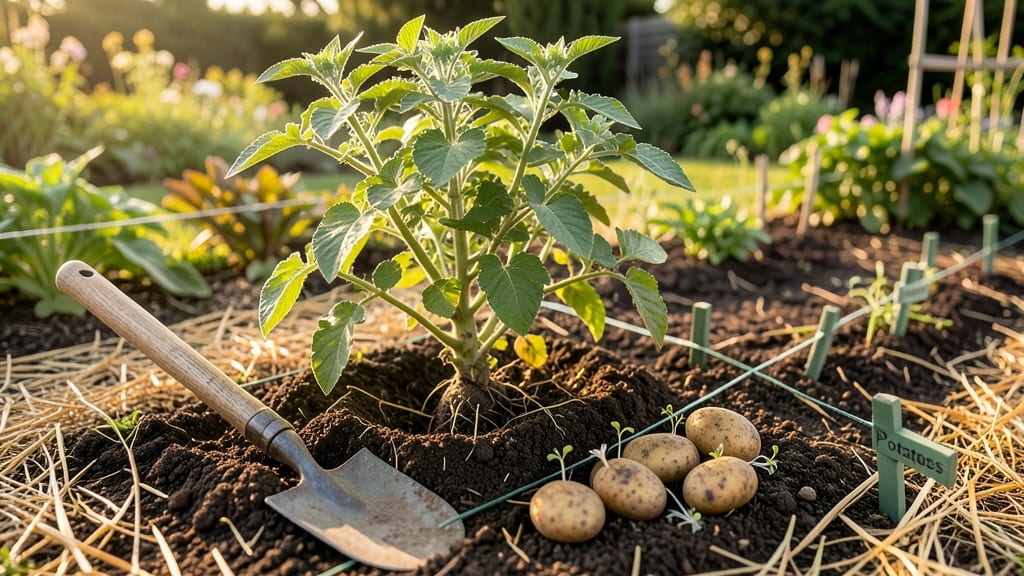
If you're wondering when to plant potatoes in Zone 6B, timing is everything—get it wrong, and you might end up with rotten sprouts or stunted harvests. The key isn’t just waiting for spring; it’s watching soil temperatures and avoiding frost risks that can derail your entire crop.
In Zone 6B, where frosts linger until late April or May, planting too early can mean soggy, diseased tubers, while waiting too long might shorten your growing season.
The sweet spot? Aim for when soil reaches 45–55°F, usually 2–4 weeks after your last frost date, depending on your exact microclimate.
I’ve learned the hard way that rushing or hesitating can make all the difference. Whether you’re a first-time gardener or a seasoned grower, mastering these soil temp tricks will help you grow perfect potatoes—no guesswork required.
Let’s break down the exact steps to get your 🥔 off to the best start.
From choosing cold-hardy varieties to extending your season with row covers, I’ll share the strategies that work in my Zone 6B garden. You’ll leave here knowing exactly when to plant, how deep to bury those seed potatoes, and how to troubleshoot common pitfalls before they happen.
Zone 6B potato planting calendar: exact weeks & soil temperature rules
Timing your potato planting in Zone 6B is all about balancing soil temperature, frost dates, and variety maturity. Unlike warmer zones, Zone 6B’s shorter growing season demands precision—plant too early and risk rot from cold soil; too late and face stunted tubers before frost.
The sweet spot? 2-4 weeks after your last frost date when soil hits 45–55°F.
Most Zone 6B gardeners aim for late April to early May for spring planting, but this shifts based on your exact microclimate. For example, areas near lakes or mountains may need to wait until mid-May due to lingering cold.
Always check your local frost calendar—a late frost can devastate young sprouts.
Here’s the golden rule: Wait until soil is workable. Stick a soil thermometer 4 inches deep—if it’s consistently 50°F or warmer, it’s go time. Cold soil (<40°F) triggers pythium rot, a silent killer of potato seeds.
| Planting Window | Soil Temp Requirement | Frost Risk | Best Varieties |
|---|---|---|---|
| Late April - Early May | 45–55°F (2–7°C) | Low (after last frost) | Yukon Gold, Red Pontiac |
| Mid-May (mountain/lake areas) | 50–60°F (10–15°C) | Moderate (late frosts) | Kennebec, Fingerling |
| Early June (fall planting) | 55–65°F (13–18°C) | None (harvest before frost) | Adirondack Blue, Purple Viking |
🌱 Pro Tip: Test soil temp daily for 3 days—consistency matters more than one reading.
For fall planting in Zone 6B, aim for early June to harvest before the first frost (typically mid-October). This works best with fast-maturing varieties (60–70 days to harvest) like Adirondack Blue. Plant 2–3 weeks earlier than spring for a second crop!
One common mistake? Ignoring soil drainage. Potatoes rot in soggy soil, so amend clay-heavy zones with compost or sand before planting. A simple percolation test (pour water on soil—if it pools, drain it first) saves hours of frustration later.
If your soil stays cold past May, try black plastic mulch or straw bales to warm it faster. These tricks add 5–10°F to soil temp, accelerating sprouting. Just remove mulch after planting to avoid overheating.
Remember: Early varieties (70 days to harvest) like Red LaSoda are your Zone 6B lifesavers—they mature before late-season pests or frosts. Late varieties (90+ days) risk failure unless you use row covers.
Track your local frost dates for 3 years to spot patterns. Apps like Old Farmer’s Almanac or Plant Maps provide Zone 6B-specific data. For example, Raleigh, NC averages last frost on March 15, while Buffalo, NY waits until May 10—same zone, different timing!
Finally, plant depth matters. Place seed potatoes 4 inches deep (eyes up) for even sprouting. Deeper = slower emergence; shallower = sunburned tubers. Mark your rows with bamboo stakes to avoid disturbing plants during hilling.
Zone 6B potato planting calendar: exact weeks & soil temperature rules
Timing is everything when planting potatoes in Zone 6B. Unlike warmer zones, Zone 6B’s short growing season (around 120–150 frost-free days) demands precision. Plant too early, and cold soil triggers rot-prone sprouts—plant too late, and your harvest shrinks.
The sweet spot? 2–4 weeks after your last frost date, when soil hits 45–55°F.
For Zone 6B, that typically lands in mid-April to early May, but don’t rely on calendar dates alone. Soil temperature is your real guide. Use a soil thermometer (just $10 at garden centers) to confirm readiness.
If your soil runs cooler than 45°F, wait—potatoes won’t sprout until it warms up. Pro tip: Early varieties (like Yukon Gold) tolerate cooler soils better than late ones (Russet needs warmth to thrive).
| Stage | Zone 6B Timeline | Soil Temp (°F) | Action |
|---|---|---|---|
| Pre-Sprouting | Mid-April | 45–55°F | Plant seed potatoes 4" deep |
| Sprouting | Late April | 50–60°F | Cover with straw mulch if frost risk |
| Active Growth | May–June | 60°F+ | Hill soil to prevent greening |
| Harvest Ready | July–August | 70–80°F | Dig when flowers fade |
Zone 6B’s late spring frosts (common until May 15) can devastate young potato plants. To hedge your bets, consider fall planting for second crops. Plant seed potatoes in late August—they’ll sprout slowly in cool soil but avoid summer heat stress.
Just be ready to harvest by first frost (usually late October). For fall plantings, aim for 8–10 weeks to maturity (e.g., Red Pontiac or Kennebec).
One mistake I see often? Gardeners planting too shallowly (less than 4 inches) or too deeply (over 6 inches). Potatoes need consistent darkness to form tubers—bury them 4–6 inches deep, with 12–15 inches between rows.
Space seed potatoes 10–12 inches apart to prevent competition. If your soil drains poorly, amend with compost or sand—waterlogged potatoes rot faster than you can say “blight.”
For extended harvests, try succession planting: Plant a new batch every 2 weeks from April to June. This stretches your harvest from July to September. Pair this with row covers to warm soil faster in cool springs.
And if your soil stays stubbornly cold? Lay down black plastic mulch 2 weeks before planting to raise temperatures by 5–10°F. Just remove it before sprouts emerge.
Remember: Zone 6B’s short season rewards patience. Start with cold-hardy varieties, monitor soil temps religiously, and don’t rush—your potato harvest depends on it. 🌱