
Companion Plants
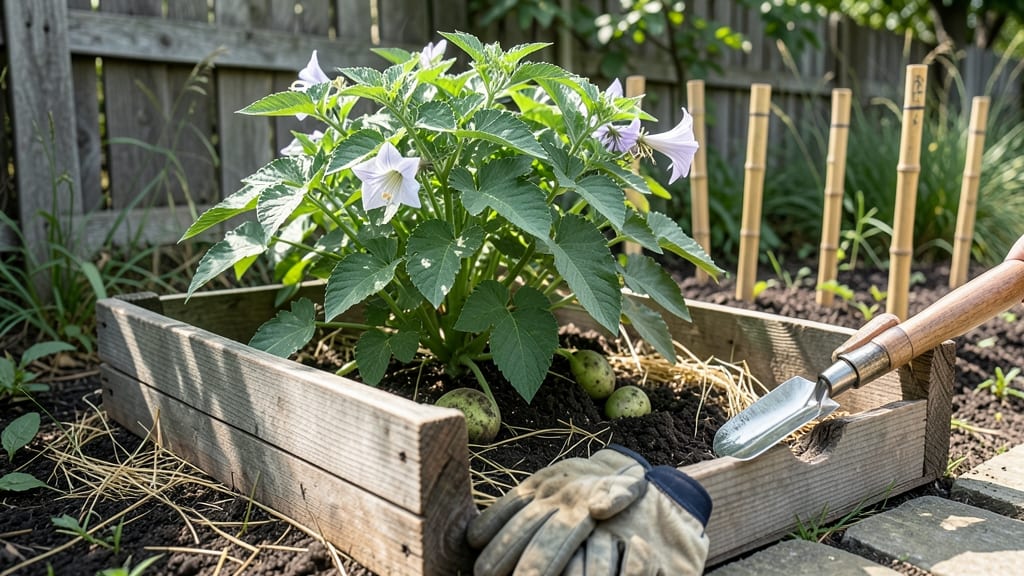
If you're asking "when can I plant potatoes in Zone 7b", timing is everything—and getting it wrong could mean tiny tubers or no harvest at all. The key lies in soil temperature, not just the calendar, and most gardeners in your area miss this crucial detail.
In Zone 7b, where last frost typically hits around March 15, you have two prime windows to plant: early spring (February-March) or late winter (January) for cold-hardy varieties. But rushing too soon can leave your 🥔 vulnerable to frost, while waiting too long risks stunted growth.
Let me show you exactly how to read your soil's temperature cues for perfect sprouting.
You'll discover which potato types thrive in your climate—from fast-sprouting early varieties to reliable maincrops—and how to extend your harvest season if you're eager for a second planting.
We'll also cover the fastest way to protect young plants from unexpected late frosts, so you can maximize every inch of your garden.
Ready to grow potatoes that outperform your neighbors'? The secret starts with understanding your soil's hidden signals—let's get your planting schedule locked in for a harvest that'll make your taste buds dance.
Zone 7b potato planting timeline: exact soil temperature triggers
In Zone 7b, potatoes thrive when planted at the right time—typically 2-4 weeks before your last frost date. For most of this zone, that means late February to early March, but soil temperature is the real secret to success.
Potatoes need 40-50°F soil to sprout consistently, and planting too early in cold soil can rot your seed potatoes before they even grow.
Your last frost date in Zone 7b usually falls around March 15, but don't rely solely on the calendar. Use a soil thermometer to confirm the ground has warmed to at least 45°F at a 4-inch depth.
This small tool prevents costly mistakes and ensures your potatoes get off to a strong start.
If you're eager to plant earlier, consider using row covers or cold frames to protect young plants from late frosts. These methods can extend your planting window by 1-2 weeks without risking frost damage to tender sprouts.
Just remember: potatoes hate soggy soil, so avoid planting in waterlogged areas, even if the temperature is right.
For a second harvest, you can also plant late-season varieties in early summer (around June 15) for a fall crop. These potatoes mature faster and tolerate cooler soil better than early varieties. Just be sure to harvest before the first frost in mid-November.
| Stage | Action | Soil Temp | Timeframe (Zone 7b) |
|---|---|---|---|
| Prep Soil | Add compost, loosen 12" deep | N/A | Late January - Early February |
| Plant Seed Potatoes | 4" deep, 12" apart | 40-50°F | Late February - Early March |
| Sprouting | Monitor for green shoots | 50-55°F | March 15 - April 15 |
| Hilling Soil | Add soil to stems | 55-65°F | April - May |
| Harvest | Dig when flowers fade | 60-70°F | May - July |
If you're unsure about your soil temperature, try the "fist test": stick your hand in the soil for 10 seconds. If it feels cool but not freezing, it's likely in the right range.
For extra precision, use a soil thermometer—it's a $10 investment that saves you from wasting seed potatoes.
In Zone 7b, you can also experiment with container growing for smaller harvests. Use 5-gallon buckets filled with well-draining soil and plant one seed potato per container. This method works well for balconies or patios and gives you more control over soil temperature.
One common mistake is planting potatoes too early in cold, wet soil. This causes rot before sprouts even emerge. If your soil is still below 40°F in early March, wait another week or two. Patience now means bigger yields later, not wasted seeds.
For organic gardeners, consider adding composted manure or well-rotted leaves to the planting hole. This boosts nutrient availability without risking over-fertilization, which can lead to too many green, inedible tubers. Aim for a balanced 5-10-10 fertilizer when hilling soil in late spring.
Remember, potatoes need 6-8 hours of sunlight daily, so choose a spot with <
Best potato varieties for Zone 7b and their planting windows
Choosing the right potato varieties for Zone 7b ensures a successful harvest. Not all potatoes thrive in this climate, so selecting early, mid, or late-season types based on your planting timeline is key.
For example, Yukon Gold excels in Zone 7b due to its adaptability to moderate temperatures and shorter growing season.
In Zone 7b, you can plant potatoes as early as February or as late as early April, depending on the variety.
Early varieties like Red Pontiac or Kennebec are perfect for late winter planting, while fingerling potatoes (such as Purple Peruvian) handle cooler soils and extend your harvest window.
Here’s how to match varieties to your planting schedule for maximum yield:
| Variety | Planting Window | Days to Maturity | Best For |
|---|---|---|---|
| Yukon Gold | March–April | 90–110 days | Buttery texture, versatile |
| Red Pontiac | February–March | 70–90 days | Early harvest, crisp |
| Purple Peruvian | March–April | 85–100 days | Nutrient-rich, fingerling |
| Kennebec | March–early April | 100–120 days | Storage-friendly, all-purpose |
For Zone 7b gardeners, early varieties like Red Pontiac are ideal if you plant in February or early March, while Yukon Gold or Kennebec work well for late March to early April plantings.
Fingerlings like Purple Peruvian add variety and thrive in cooler soils, making them perfect for extended-season planting.
Pro tip: If you experience unpredictable spring frosts in Zone 7b, opt for earlier-maturing varieties like Red Norland (80–100 days) to avoid crop loss. Always chit your seed potatoes (sprout them indoors) 4–6 weeks before planting to jumpstart growth in cooler soils.
Rotate your potato varieties yearly to prevent soil-borne diseases like blight, and avoid planting potatoes in the same spot two years in a row. This simple practice keeps your Zone 7b harvests healthy and productive year after year.