
Companion Plants
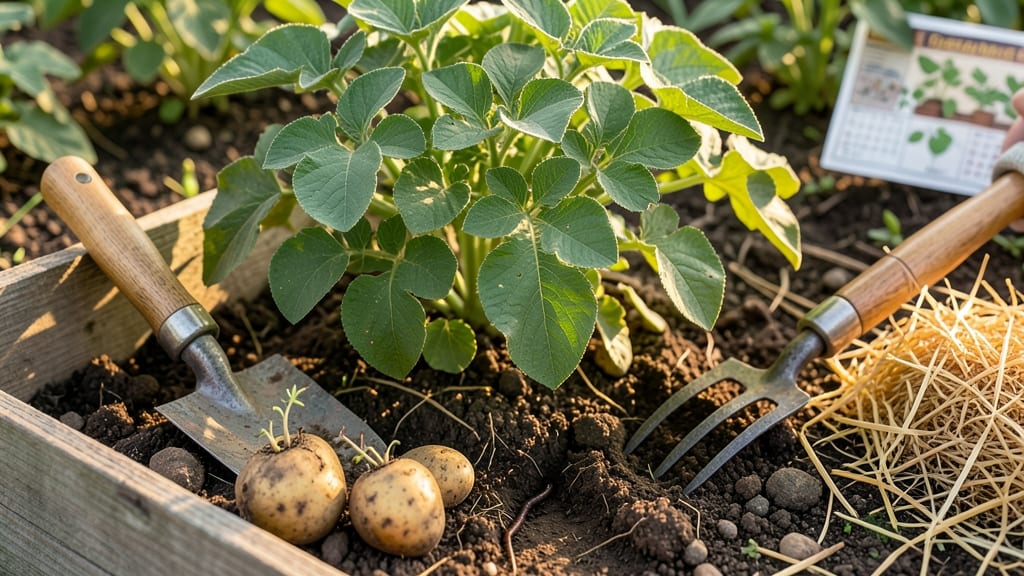
Timing when do you plant potatoes in Pennsylvania can make or break your harvest—get it wrong, and you might end up with stunted 🥔 or wasted effort.
The state's varied climate means the ideal window shifts from the warmer south to the cooler north, but most gardeners should aim for early spring when soil temperatures hit that sweet spot of 45°F to 50°F.
Unlike other crops, potatoes thrive when planted 2-4 weeks before the last frost, giving them a head start before summer heat arrives.
In Pennsylvania's USDA zones 5b-7a, that typically means late March to early April for most varieties, though early types can go in as soon as February if your soil isn't frozen solid.
But here's the catch: not all potatoes are created equal. Early varieties like 'Yukon Gold' need just 60 days to mature, while late types like 'Russet' can take up to 120 days.
Knowing your frost dates and variety helps you avoid planting too soon (risking frost damage) or too late (missing the harvest window).
I'll break down exactly how to calculate your perfect planting window, from testing soil temperature to choosing the right varieties for Pennsylvania's unpredictable weather. Let's make sure your potatoes get the best possible start.
Best planting dates for potatoes in PA based on soil temperature
Pennsylvania’s diverse climate—from the humid Southeast to the cooler Northwest—means your potato planting window depends heavily on soil temperature and last frost dates. Unlike many crops, potatoes thrive when planted in cool soil (45°F–50°F), not warm. This unique requirement helps prevent rot and ensures strong tuber development.
In most of PA, aim to plant seed potatoes 2–4 weeks before your last frost date. For example, in Southeast PA (USDA Zone 6b–7a), this could be as early as mid-March, while in Northwest PA (Zone 5b–6a), wait until late April.
The key is waiting until soil warms to at least 45°F at a depth of 4 inches.
Avoid planting too early—cold, wet soil can cause seed potatoes to rot. Conversely, planting too late (after soil hits 60°F+) stresses plants and reduces yields. Use a soil thermometer to check readiness, or follow the 50°F rule for optimal timing.
| PA Region | Ideal Planting Window | Soil Temp Threshold | Key Varieties |
|---|---|---|---|
| Southeast PA (Zone 6b–7a) | Mid-March to early April | 45°F–50°F at 4" | Yukon Gold, Red Pontiac |
| Central PA (Zone 6a–6b) | Late March to mid-April | 45°F–50°F at 4" | Kennebec, Fingerling |
| Northwest PA (Zone 5b–6a) | Late April to early May | 48°F–50°F at 4" | Russet, Purple Viking |
| All Regions (Cold Frames) | February (early varieties) | 40°F–45°F (protected) | Early Rose, Irish Cobbler |
For early varieties, you can even plant in February under cold frames or row covers, especially in warmer microclimates like Philadelphia or Pittsburgh suburbs. These varieties (like Early Rose) mature in 60–70 days, giving you a head start before summer heat arrives.
If you’re unsure about your last frost date, check the USDA Plant Hardiness Zone Map and local Cooperative Extension Service resources. For example, State College (Zone 6a) averages a last frost around April 20, while Allentown (Zone 7a) sees frost-free conditions by April 5.
Pro tip: Chit your seed potatoes (sprout them indoors in light) 4–6 weeks before planting. This jumpstarts growth and ensures uniform emergence once soil warms. Store them in a cool, dark place (40°F–50°F) until ready to plant.
Remember, late plantings (after May) still work if you choose fast-maturing varieties (90 days or less). Just expect smaller yields. The goal is to harvest before first frost, typically by mid-October in most of PA.
🌱
Best planting dates for potatoes in PA based on soil temperature
Pennsylvania’s diverse climate means potato planting dates vary by region—southern areas like Philadelphia can start earlier, while northern zones like Erie need to wait. The key is soil temperature, which should reach 45°F-50°F for optimal tuber development.
In most of PA, this aligns with mid-March to early April, but frost risks demand patience.
For early varieties (60-90 days to harvest), you can plant as soon as the ground is workable, even in late February under row covers. Mid-season varieties (90-110 days) need warmer soil, so aim for April 1-15.
Late varieties (110+ days) should wait until mid-April to avoid frost damage during flowering.
🌱 PA Potato Planting Guide by Region
| Region | Ideal Planting Window | Soil Temp Threshold | Last Frost Date |
|---|---|---|---|
| Southeast PA (Philly, Allentown) | Mid-March to early April | 45°F-50°F | April 1-15 |
| Central PA (Harrisburg, Lancaster) | Late March to mid-April | 45°F-50°F | April 10-25 |
| Northwest PA (Erie, Pittsburgh) | Early to mid-April | 48°F-52°F | April 15-30 |
💡 Pro Tip: Use a soil thermometer to confirm readiness—cold soil delays sprouting and stunts growth.
To test soil readiness, insert a soil thermometer 4 inches deep for 24 hours. If it reads below 45°F, wait 1-2 weeks. Cold soil causes potatoes to rot or sprout unevenly.
In USDA Zone 6b (common in PA), aim for planting when daytime highs reach 50°F consistently—this usually happens by early April.
For container growing, warm soil faster by placing pots in black plastic-lined bins or using heat mats. This lets you plant 2-3 weeks earlier than in-ground beds. Just ensure containers are at least 12 inches deep—shallow pots limit tuber growth.
If you miss the spring window, don’t despair! Fall planting is possible in PA’s milder southern regions. Plant seed potatoes in late August for a winter harvest (using cold-hardy varieties like Yukon Gold or Kennebec). Cover beds with straw mulch to insulate tubers through frost.
Remember: Potatoes need 90-120 frost-free days to mature. If your variety takes 110 days and your frost-free season is 165 days, you’re safe—but late frosts can still damage foliage. Always have row covers ready for late-May surprises!