
Plants
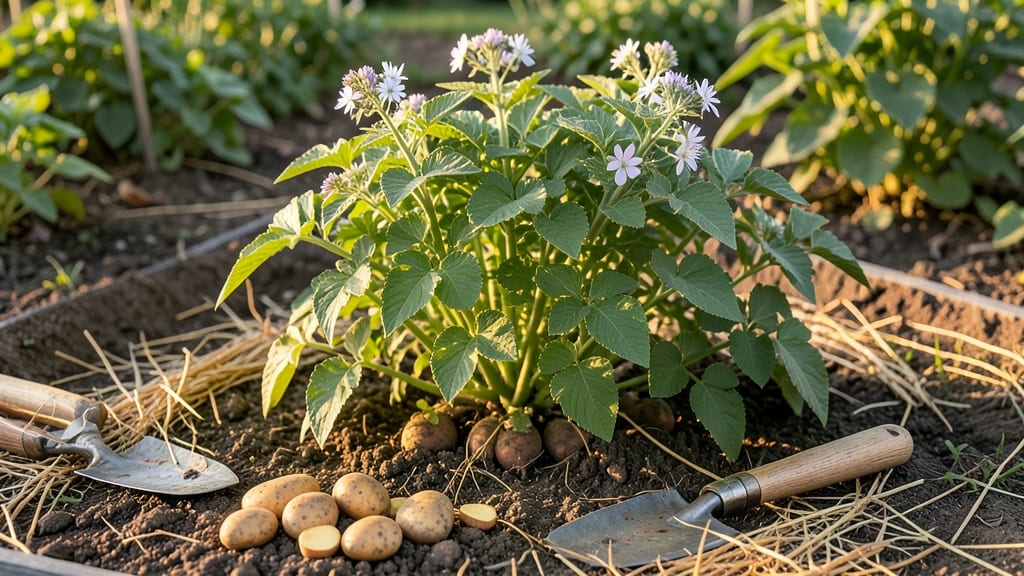
Planting potatoes in Oklahoma isn't just about checking the calendar—it's about soil temperature, and getting it wrong means waiting months for sprouts or losing your crop to frost.
I've learned the hard way that Oklahoma City's USDA Zone 7 plays by different rules than the panhandle's Zone 6, and those 5-degree differences can shift your planting window by weeks.
The key to fast, reliable growth starts with knowing when your soil hits 45°F—that's your chitting sweet spot. Too cold, and your seed potatoes rot; too warm, and they'll sprout too early.
I'll show you exactly how to time it right, whether you're in Tulsa's humid microclimate or the drier high plains where winds can steal heat faster than you'd expect.
What most Oklahoma gardeners miss is that last frost dates aren't the real deadline—soil consistency is. I'll walk you through simple tests to check soil warmth (no fancy tools needed) and how to adjust your planting schedule if you're in a low-lying area where frost lingers longer.
Trust me, skipping this step means your 🥔 harvest could be months later than you planned.
By the end, you'll know exactly when to plant for your specific corner of Oklahoma, plus how to give your potatoes a head start with minimal effort. No more guessing games—just faster sprouts and a bumper crop before summer heat sets in.
Oklahoma potato planting schedule by soil temperature (not just frost dates)
Oklahoma’s USDA Zones 6b-7a create unique challenges for potato growers. While the last frost date (around April 15 in most areas) is a starting point, soil temperature is the real game-changer. Potatoes need 50°F (10°C) soil to sprout consistently, and 45°F (7°C) for chitting (pre-sprouting).
In Oklahoma City, this typically means planting March 15-April 1, while Tulsa’s slightly warmer microclimate allows March 1-April 10.
Don’t rely solely on calendar dates—use a soil thermometer to confirm readiness. In western Oklahoma (like Altus), colder soils may delay planting until April 15, while eastern regions (like Muskogee) can start as early as February 28 under row covers.
The key is planting when the soil warms consistently during the day, not just at night.
For fall planting (a less common but viable option in Oklahoma), aim for late July-August when soil temps drop below 80°F (27°C). This second crop often yields smaller tubers but extends your harvest window into November before the first frost (November 15-December 1).
Here’s the critical timeline Oklahoma gardeners should follow:
| Stage | Action | Oklahoma City | Tulsa | Western OK |
|---|---|---|---|---|
| Chitting (Pre-Sprouting) | Start seeds in light | Feb 15-Mar 1 | Feb 1-Mar 15 | Feb 28-Mar 15 |
| Planting Window | Soil ≥50°F (10°C) | Mar 15-Apr 1 | Mar 1-Apr 10 | Apr 1-Apr 15 |
| Harvest Ready | Tubers 2-3" diameter | Jun 15-Jul 15 | Jun 1-Jul 10 | Jul 1-Jul 20 |
| Fall Planting | Soil <80°F (27°C) | Jul 20-Aug 10 | Jul 15-Aug 5 | Aug 1-Aug 15 |
Pro tip: Use black plastic mulch to warm soil faster in cooler regions. Lay it down 2-3 weeks before planting to create a 5-10°F warmer microclimate. This trick lets you plant 2-3 weeks earlier in western Oklahoma without risking frost damage.
Another Oklahoma-specific hack is planting "hillocks"—mounds of soil—to insulate tubers from temperature swings. In clay-heavy soils (common in central OK), mix in compost or sand to improve drainage. Poor drainage is the #1 reason potatoes rot in Oklahoma gardens.
For early varieties like Yukon Gold or Red Pontiac, aim for the earliest planting window (March 1-April 1). Late varieties such as Russet or Kennebec can handle slightly later planting (April 1-April 15) but need longer growing seasons to mature.
Remember: Oklahoma’s variable weather means flexibility. If a late frost hits after planting, use frost blankets to protect emerging sprouts. The goal is 60-90 days of frost-free growth—plan accordingly!
🌱
How to prep potato seeds for Oklahoma’s short growing season (chitting & soil warmers)
Oklahoma’s unpredictable spring weather can leave gardeners racing against time to get potatoes in the ground. But with the right prep, you can jumpstart growth by 4-6 weeks—turning weak sprouts into vigorous plants ready for planting.
The key? Chitting and soil warming tricks that work even in USDA Zones 6-7.
Start chitting your seed potatoes 4-6 weeks before your target planting date—typically late February to early March for most of Oklahoma. Place them in a cool, bright spot (like a sunny windowsill) with sprouts facing upward.
This process hardens the sprouts, making them more resilient to Oklahoma’s late frosts.
🌱 PRO TIP: Use cardboard egg cartons or paper towels to hold potatoes—this prevents rot while keeping sprouts well-ventilated. Avoid plastic, which traps moisture and causes fungal diseases.
Step-by-Step Chitting Guide for Oklahoma Gardeners
- Place seed potatoes in a bright, cool spot (60-65°F) with indirect sunlight.
- Position them so sprouts grow upward—this prevents tangled roots later.
- Check weekly for green shoots—these mean your potatoes are ready for planting.
- Plant only after soil warms to 50°F (10°C)—use a soil thermometer to confirm.
- For extra warmth, cover soil with black plastic mulch 1-2 weeks before planting.
If your Oklahoma spring drags on like last year’s, try DIY soil warmers to coax potatoes into the ground earlier. Lay black plastic sheeting over beds 2-3 weeks before planting—this absorbs sunlight and raises soil temps by 5-10°F.
For even faster results, combine it with row covers after planting to trap heat.
For gardeners in northern Oklahoma (like Woodward or Enid), start chitting indoors under grow lights in late January. In southern regions (like Tulsa or Oklahoma City), you can wait until mid-March—but always plant after the last frost date (typically mid-April).
Remember: Chitting alone won’t replace warm soil. Pair it with mulching or row covers to protect young plants from unpredictable Oklahoma winds and late frosts. With these tricks, you’ll harvest bigger, healthier potatoes in record time! 🌱