
Plants
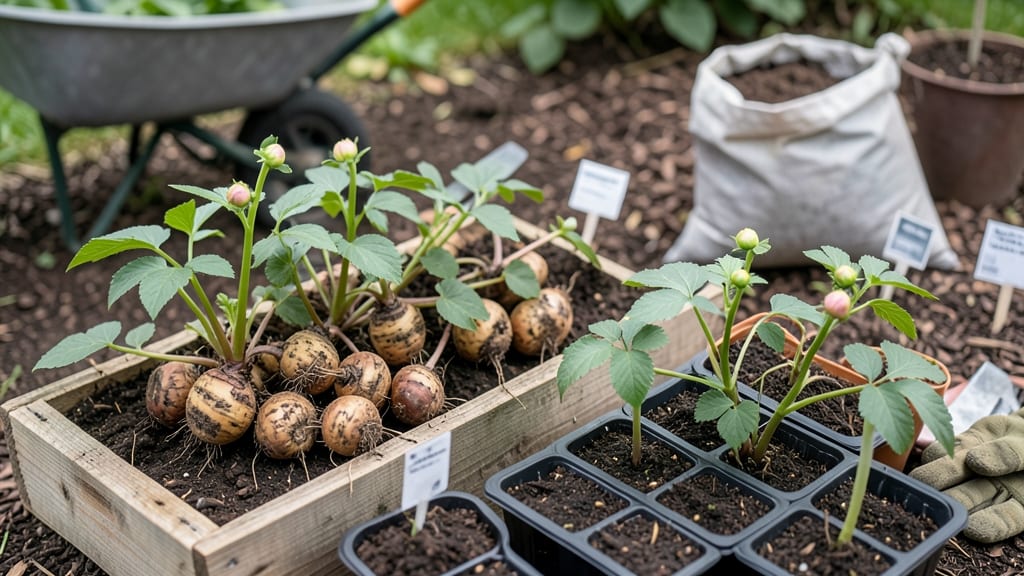
Planting dahlias in the UK at the wrong time can mean watching your 🌼 tubers rot in cold soil or your blooms never fully unfurl. The secret to success lies in waiting until the soil warms to 10-15°C—typically between mid-April and early June—when frost risk has faded for good.
For gardeners in USDA zones 8a to 9a, timing varies by region: Cornwall’s milder climate lets you start earlier, while Scotland’s cooler springs may delay planting until late May. But don’t rush—planting too soon risks stunted growth or worse, lost tubers if a late frost hits.
I’ll walk you through exactly when to plant, how to prepare your soil, and even how to extend the season with containers or cloches.
Whether you’re a first-timer or a seasoned grower, these tips will help you avoid common mistakes and get those stunning dahlias blooming from July right through to autumn.
Ready to transform your garden? Let’s dive into the perfect planting schedule for your dahlias—so you can enjoy their vibrant colors all season long.
UK soil temperature & frost-free guidelines for planting dahlias
Planting dahlias in the UK depends on two critical factors: soil temperature and frost risk. Dahlias thrive when soil reaches 10-15°C (50-59°F), signaling it's safe to plant tubers outdoors.
In the UK, this typically occurs between mid-April and early June, but regional differences matter—Scotland may wait until late May, while Cornwall can plant as early as March in sheltered spots.
Frost is dahlias' biggest enemy. Tubers planted too early (before last frost) risk blackened stems or death. Use the Met Office frost forecast or local gardening groups to track your area's average last frost date.
For example, London usually sees its last frost in mid-April, while Edinburgh may wait until late May.
If you're unsure about your soil's temperature, use a soil thermometer (£10-£15) or the "finger test": Push your finger 2 inches deep—if the soil feels warm (not cold), it's ready. For container-grown dahlias, you can plant 2-4 weeks earlier since pots warm up faster.
| Region | Ideal Planting Window | Soil Temp Threshold | Frost Risk |
|---|---|---|---|
| Southeast England | Mid-April to early May | 10-15°C (50-59°F) | Low after mid-April |
| Midlands | Late April to early May | 10-15°C (50-59°F) | Moderate (check forecasts) |
| Scotland | Late May to early June | 12-15°C (54-59°F) | High until June |
| Cornwall/Isles of Scilly | March to April (sheltered) | 10-12°C (50-54°F) | Low in microclimates |
| Containers (Anywhere) | 2-4 weeks earlier | 8-10°C (46-50°F) | Lower risk (move indoors if frost) |
For container dahlias, you can start planting 2-4 weeks earlier than in-ground tubers because pots warm up faster. Choose large containers (30cm+ diameter) with drainage holes to prevent waterlogging, which dahlias hate. If nighttime temperatures dip below 5°C (41°F), move containers indoors or cover them with fleece.
In colder regions like Scotland, consider chitting tubers indoors from late February. Place tubers in a tray with sphagnum moss, keep them in a light, warm spot (15-20°C), and they’ll sprout faster.
Once shoots reach 5cm tall, harden them off outdoors for 2 weeks before planting in late May.
Pro tip: If you’re unsure about your local frost risk, plant dahlias in raised beds. They warm up 2-3 weeks earlier than open ground and improve drainage. Just ensure the bed is at least 12 inches deep to accommodate tuber depth and root growth.
Always amend soil with compost before planting—dahlias crave nutrient-rich, well-draining soil. A mix of garden compost and perlite (20% perlite) prevents waterlogging. After planting, mulch with straw or bark chips to retain moisture and suppress weeds.
Remember: Late plantings (June or later) still produce flowers, but expect smaller blooms and shorter stems. If you miss the ideal window, opt for dwarf varieties like 'Café au Lait', which thrive even in partial shade and tolerate cooler soils.
UK soil temperature & frost-free guidelines for planting dahlias
Planting dahlias in the UK hinges on two critical factors: soil temperature and frost risk. Dahlias need soil that’s warmed to at least 10-15°C (50-59°F) to sprout successfully. In cooler regions like Scotland, wait until late May, while southern England can start as early as mid-April.
Always check your local last frost date—planting too soon risks frost damage to tender tubers.
For container-grown dahlias, you can plant 2-4 weeks earlier than in-ground plants since pots warm faster. However, even containers need protection from late frosts. Use frost cloths or grow bags to shield young shoots if nighttime temperatures dip below 5°C (41°F).
Monitoring soil temperature with a garden thermometer ensures you don’t plant too early.
🌱
| Region | Ideal Planting Time | Soil Temp Threshold | Frost Risk |
|---|---|---|---|
| Southern England | Mid-April to early May | 10-15°C (50-59°F) | Low after mid-April |
| Midlands | Late April to early May | 12-15°C (54-59°F) | Moderate until late April |
| Scotland/Northern UK | Late May to early June | 15°C+ (59°F+) | High until June |
| Containers (Anywhere) | 2-4 weeks earlier | 10°C+ (50°F+) | Use frost protection |
If you’re unsure about your local frost dates, check the Met Office’s frost forecast or use a frost-sensitive plant like wallflowers as an early warning system. They’ll wilt if frost is imminent, giving you time to cover your dahlias.
For extra safety, plant dwarf varieties first—they’re less vulnerable to cold snaps and can bloom earlier.
Once planted, dahlias need consistent moisture to establish roots, but avoid waterlogging, which can rot tubers. Mulch with compost or straw to retain soil warmth and suppress weeds.
In sheltered microclimates—like against a south-facing wall—you might push planting back to early April, but always err on the side of caution.
🌿
Pro tip: If you’re chitting tubers indoors (placing them in trays with the "neck" exposed to light), start this process in March. This jumpstarts growth, giving you a head start once soil temperatures rise.
Just be ready to plant out those chitted tubers as soon as the ground warms—delaying too long can stunt their development.