
Plants
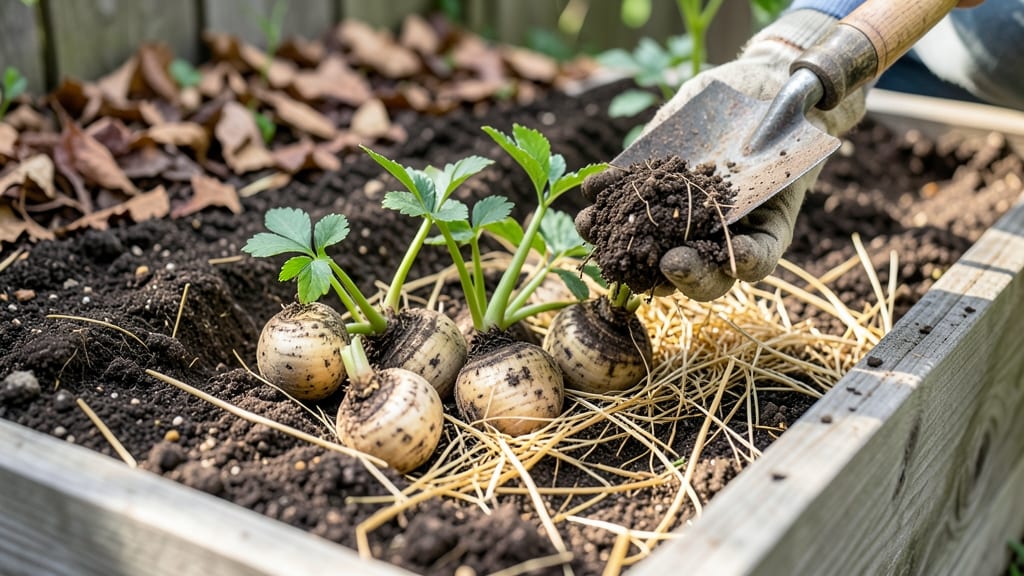
When to plant dahlias in Tennessee is the difference between a garden full of vibrant blooms and a sad, wilted disappointment.
The April 15 to May 15 window isn't just a suggestion—it's your golden ticket to thriving dahlias, but only if you account for Tennessee's tricky spring weather and soil warmth.
Most gardeners in zones 6a-7b wait until the soil hits 60°F—that's when those tubers wake up and start growing. Too early, and frost will nip them in the bud (literally). Too late, and you miss the peak blooming season from July to October.
I've learned the hard way that rushing dahlias into cold soil is a one-way ticket to rot. Whether you're in East Tennessee's cooler valleys or West Tennessee's warmer plains, the key is checking soil temperature and watching for those last frost dates—usually mid-April, but don't bet your garden on it.
Here's what I'll show you: exactly when to plant (and why), how to prep your soil for success, and the 3 biggest mistakes Tennessee gardeners make that kill their dahlias before they even bloom. Let's get those tubers in the ground the right way.
Tennessee’s ideal planting window for dahlias based on soil temperature
Timing your dahlia planting in Tennessee isn’t just about avoiding frost—it’s about waiting for the soil to warm up to 60°F+. Cold soil slows tuber growth and invites rot, so checking soil temperature is your best defense against springtime planting failures.
Most of Tennessee falls in USDA Zones 6a-7b, but regional differences mean your ideal window could vary by 2-3 weeks depending on where you live.
Dahlias thrive when planted after the last average frost date, which typically lands between mid-April (East Tennessee) and early May (West Tennessee). However, soil temperature is a more reliable indicator than frost dates alone.
Use a soil thermometer to confirm the ground has reached 60°F at 4-inch depth—this usually happens 2-3 weeks after the last frost in most Tennessee regions.
For gardeners in East Tennessee (e.g., Knoxville, Chattanooga), this often means planting between April 20 and May 5. In Middle Tennessee (Nashville, Murfreesboro), aim for April 25 to May 10.
Meanwhile, West Tennessee (Memphis, Jackson) gardeners can start slightly earlier, around April 15 to May 5, thanks to warmer microclimates.
🌱
| Region | Last Frost Date | Ideal Planting Window | Soil Temp Check | Key Risks |
|---|---|---|---|---|
| East TN (Knoxville, Chattanooga) | April 15-20 | April 20-May 5 | 60°F+ (4" deep) | Late frosts, slower soil warming |
| Middle TN (Nashville, Murfreesboro) | April 10-15 | April 25-May 10 | 60°F+ (4" deep) | Variable spring temps, fungal risks |
| West TN (Memphis, Jackson) | March 25-April 5 | April 15-May 5 | 60°F+ (4" deep) | Early heat stress, drought risk |
| High Elevations (Great Smoky Mtns) | May 1-10 | May 10-20 | 60°F+ (4" deep) | Short growing season, late frosts |
🌡️ Pro Tip: Use a soil thermometer for accuracy—don’t guess!
If you’re eager to get a jumpstart, you can begin indoor tuber chitting in early March. Place dormant tubers in a cool, bright location (60-65°F) and watch for eyes to sprout—this gives you a 2-3 week head start before transplanting outdoors.
Just be cautious: transplanting too early (before soil warms) risks stunted growth, while waiting too late (after May 15) may reduce bloom time.
For container gardeners, the window is slightly more flexible. You can plant 1-2 weeks earlier in containers since they warm up faster. However, move pots to a protected location at night if frost is forecasted, even in May.
🌿
To test your soil’s readiness, stick a soil thermometer 4 inches deep in your garden bed. If it reads below 60°F, cover the area with black plastic mulch for 1-2 weeks to accelerate warming.
This is especially helpful in East Tennessee’s cooler microclimates, where soil can lag behind frost dates by 10-14 days.
Remember, dahlias are tender perennials—they won’t survive Tennessee winters in the ground. Plan to dig and store tubers by first frost (mid-October) to replant next spring. This means your planting window is also your last chance to establish strong roots before winter dormancy.
☀️
Tennessee’s ideal planting window for dahlias based on soil temperature
Tennessee’s USDA Zones 6a-7b create a unique challenge for dahlia planting—cool springs and warm summers demand precision. The critical threshold is 60°F soil temperature, which signals it’s safe to plant tubers without frost damage.
In most of Tennessee, this occurs between mid-April and late May, but regional differences matter.
East Tennessee’s higher elevation (e.g., Knoxville) often waits until late April to May 1st, while West Tennessee (Memphis/Nashville) can plant as early as mid-April. Always check your last frost date—Tennessee’s ranges from March 15 (southwest) to April 15 (east), creating a 3-week window for planting readiness.
| Region | Ideal Planting Window | Soil Temp Threshold | Last Frost Date |
|---|---|---|---|
| East TN (e.g., Knoxville, Chattanooga) | May 1 - May 15 | 60°F+ (consistent) | April 1 - April 15 |
| Middle TN (e.g., Nashville) | April 20 - May 1 | 60°F+ (consistent) | March 25 - April 5 |
| West TN (e.g., Memphis) | April 1 - April 15 | 60°F+ (consistent) | March 15 - March 30 |
To test your soil’s readiness, use a soil thermometer (available at garden centers for ~$10). Insert it 4-6 inches deep in your garden bed—this mimics the depth where dahlia tubers will sit. If temperatures dip below 55°F at night, delay planting by 1-2 weeks to avoid tuber rot.
Pro tip: Black plastic mulch can warm soil by 5-10°F faster, helping you plant earlier in cooler regions.
For gardeners in Zone 6a (eastern TN), consider starting tubers indoors 6-8 weeks before your target outdoor planting date. Use biodegradable pots and place them in a sunny window or under grow lights.
Transplant outdoors only after 3-4 true leaves appear and nighttime temps stay above 50°F. This head start compensates for Tennessee’s late-spring frosts.
Missed the ideal window? Don’t panic. Dahlias are perennial tubers, so you can replant in early June for late-summer blooms. However, expect smaller flowers and less vigorous growth. For best results, stick to the 60°F soil rule—your dahlias will thank you with bold, vibrant blooms all season.
Remember: Patience pays off. Rushing into the garden too early risks frost damage, while waiting too long may shorten your bloom time. Tennessee’s climate rewards those who plan ahead and monitor conditions—so grab that soil thermometer and get ready for a dahlia showstopper! 🌼