
Plants
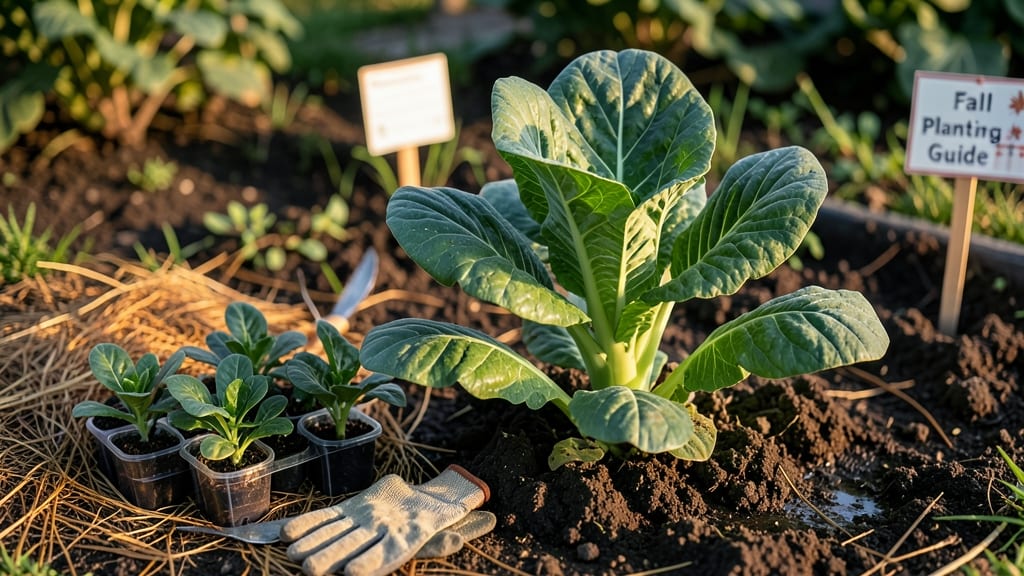
Planting collards in South Carolina at the wrong time means either bolting before you can enjoy them or struggling through winter's chill.
The key to a thriving 🥬 harvest lies in understanding your heat zone's frost-free deadlines—because timing isn't just about months, it's about avoiding those critical 30-day windows before the first frost.
I've learned the hard way that South Carolina's 7b-8a zones demand precision—plant too early in Zone 7b, and you'll battle bolting by April; too late, and winter's bite will stunt your greens before November harvests.
The solution? A two-season strategy that aligns with your specific microclimate's frost patterns and heat tolerance.
What you'll discover here are the exact planting windows that work for SC's climate, including soil prep secrets and regional adjustments that prevent common mistakes. Whether you're a first-time gardener or a seasoned grower, these actionable steps will help you extend your harvest from spring through fall.
Let's dive into the science behind why February-March and August-September are your golden windows—and how to protect your plants when unexpected cold snaps hit. Your taste buds (and dinner table) will thank you.
South Carolina heat Zone planting deadlines for collards (with frost risk charts)
Timing your collard greens in South Carolina depends on your USDA heat zone—whether you’re in frost-prone Zone 7a or milder Zone 8b.
The key is planting 4-6 weeks before last frost (typically mid-February to March) for spring harvests and 6-8 weeks before first frost (usually late August) for fall crops.
Missed those windows? Don’t worry—succession planting and row covers can extend your season. But first, let’s break down the exact deadlines for each zone to avoid bolting or frost damage.
🌱 Key Takeaway: Inland areas (like Zone 7a) have earlier frost risks than coastal Zone 8a/8b. Adjust your schedule accordingly—coastal gardeners can plant 2-3 weeks later than inland growers.
For Zone 7a gardeners, the March 15 last-frost deadline is critical—planting after this risks frost damage to young seedlings. Use black plastic mulch to warm the soil and jumpstart growth in early February if needed.
In Zone 8b, you can even try a winter harvest by planting in October and using cold frames to protect plants through mild winters. Just monitor your local microclimate—valleys freeze faster than hilltops!
Need a second harvest? In Zone 7b/8a, sow succession crops every 3 weeks from March to September. Inland areas should stop by mid-September to avoid late-summer bolting from heat stress.
Always check your local frost dates—tools like the SC State Climate Office provide hyper-local data. For example, Charleston (Zone 8b) can plant 2 weeks later than Greenville (Zone 7a).
🌿 Why This Matters: Collards thrive in cool weather (50–75°F). Planting outside these windows leads to bitter leaves or stunted growth. Stick to the chart, and you’ll enjoy tender greens year-round.
How to extend your collard harvest in South Carolina (succession planting & cold protection)
Extending your collard harvest in South Carolina isn’t just about planting once—it’s about creating a year-round green machine. I’ve found that succession planting every 3-4 weeks during the ideal windows keeps your kitchen stocked with fresh 🥬 from spring through fall.
The trick? Stagger your plantings to avoid overlapping maturity dates, which means fewer leaves going to waste.
For spring harvests, start your first batch in late January (Zone 8a) or early February (Zone 7b), then follow up with weekly sowings until mid-March. This ensures continuous growth while avoiding the April bolting risk from warmer temperatures.
In fall, begin your final plantings in mid-August and keep sowing every 21 days until early October.
Here’s the game-changer: cold protection lets you push your harvest into December. Use row covers or lightweight frost blankets when temperatures dip below 25°F. I’ve seen collards survive 20°F nights with these, extending harvests by 4-6 weeks.
For extra insurance, mulch with straw or leaves to insulate roots—this is a Lowcountry secret that works wonders in SC’s unpredictable winters.
Stagger plantings every 3-4 weeks for continuous harvests
Row covers, frost blankets, and mulching with straw
Zone 7b: Start 2 weeks later than Zone 8a
Last sowing by October 1st for winter harvests
Amend beds with compost every 4-6 weeks
Don’t overlook cold-hardy varieties like ‘Georgia Southern’ or ‘Top Bunch’—they’re bred to handle SC’s winters better than standard types. These varieties can tolerate 15°F with minimal protection, making them ideal for late-fall plantings. I’ve had success with these in Zone 7b gardens where regular collards would crisp in December.
Pro tip: Harvest outer leaves first to encourage bushier growth. This keeps your plants productive longer and gives you continuous greens without sacrificing the plant’s health. Pair this with regular fertilization (every 4-6 weeks) to keep plants vigorous through multiple harvest cycles.
With these strategies, you’ll enjoy homegrown collards for 8+ months instead of just 2-3.
Remember, the key to success is adapting to your microclimate. Coastal areas can push harvests later than inland zones, so always check your local frost dates. By combining succession planting with cold protection, you’ll turn your SC garden into a year-round collard powerhouse. 🌱