
Plants
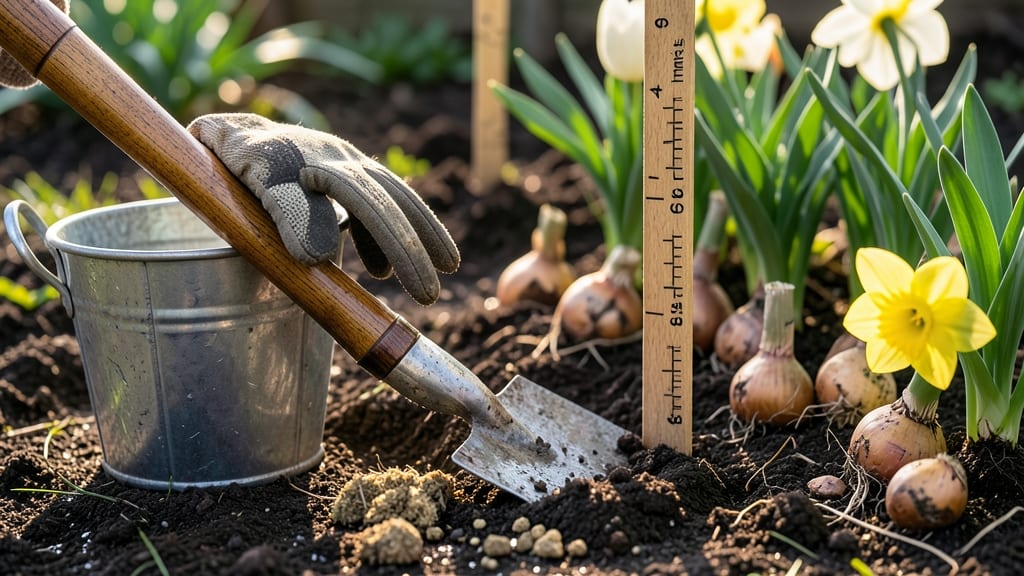
Planting bulbs in the South might seem tricky—too early, and they’ll bake in the heat; too late, and you’ll miss spring’s 🌷 explosion of color. But here’s the secret: timing isn’t just about months—it’s about understanding your zone, soil, and the bulbs themselves.
Most Southern gardeners in zones 7a-11 should plant spring-flowering bulbs between October and December, but coastal areas and inland regions have different rules. Whether you’re in humid Florida or drier Texas, getting this right means fewer rotten bulbs and more vibrant blooms next spring.
In this guide, I’ll break down the exact planting windows for your region, plus soil prep tips to keep bulbs thriving in Southern heat. You’ll learn which bulbs handle humidity best and how to avoid common mistakes that ruin spring blooms.
Ready to transform your garden? Let’s dive into the month-by-month schedule that’ll give you bold, reliable blooms year after year.
Best months to plant bulbs in southern climates by hardiness Zone
Planting bulbs in the South requires careful timing—unlike cooler climates, our warm winters and long growing seasons demand a different approach.
Most spring-blooming bulbs like tulips and daffodils need 6-8 weeks before the first frost to establish roots, but southern frost dates vary wildly from Zone 7a (December 15) to Zone 9a (January 1). The key?
Plant in October-November for most areas, but adjust for your exact USDA hardiness zone.
Southern gardeners often struggle with warm soil temperatures delaying root growth, so I recommend pre-cooling bulbs in the fridge for 4-6 weeks before planting. This mimics winter conditions and jumpstarts root development.
For Zone 10 and warmer, where frost is rare, focus on summer-blooming bulbs like rain lilies or spider lilies, which thrive in heat and can be planted year-round.
Here’s the month-by-month breakdown for planting spring-flowering bulbs across southern zones, including heat-tolerant varieties that perform well in our climate:
| Zone | Ideal Planting Month | Notes |
|---|---|---|
| 7a-7b | October 15 - November 15 | Plant tulips and daffodils early to avoid winter wetness. |
| 8a-8b | November 1 - December 1 | Soil stays warm longer; pre-cool bulbs for 4-6 weeks. |
| 9a-9b | December 1 - January 15 | Focus on heat-tolerant bulbs like rain lilies or plant in partial shade. |
| 10a-11 | Year-round (summer bulbs) | Plant cannas, dahlias, or daylilies anytime; no dormancy needed. |
For Zone 7-9, I’ve found that late fall planting (November-December) works best for traditional bulbs, but early fall (October) is safer if your soil stays warm.
In Zone 10+, traditional spring bulbs often rot before blooming, so I recommend summer-flowering bulbs like crinum lilies or spider lilies, which handle heat effortlessly.
Pro tip: Use a soil thermometer to check temperatures—ideal planting soil should be 50-60°F. If it’s warmer, wait or plant in shaded beds to cool the soil. Mulch with straw or pine needles after planting to insulate bulbs from temperature swings.
One common mistake? Planting bulbs too shallow in heavy clay soils. In the South, 6-8 inches deep is standard, but amend soil with compost or sand to improve drainage. Poor drainage leads to bulb rot, especially in humid coastal areas like Zone 8b-9a.
If you miss the fall window, don’t panic—some bulbs like daylilies or gladiolus can be planted in early spring (February-March). Just be prepared for smaller blooms that first year, as they’ll focus on root growth. For maximum blooms, stick to the fall schedule.
For container gardening, plant bulbs in well-draining pots with cactus/succulent mix and place them in a cool garage or basement for 6-8 weeks before moving outdoors. This trick works wonders for tulips and hyacinths in Zone 9-10.
Remember: The South’s long growing season means bulbs can bloom twice a year if planted correctly. Try fall-planted bulbs for spring blooms and spring-planted bulbs for summer color—just adjust watering to match our hot, humid summers.
How to adjust planting times for southern heat and humidity
Southern summers are long and humid—perfect for bulbs that love warmth but deadly for those planted too early. Most spring-blooming bulbs need cool soil to root before growth spurts, but our warm winters and late frosts complicate timing. The key?
Adjust your planting window based on your USDA Zone and bulb type. For example, tulips and daffodils in Zone 8 need planting by November 1st, while rain lilies can go in anytime after summer rains subside.
Don’t let late fall rains fool you—waterlogged soil causes bulb rot faster than heat. Amend your soil with sand or grit to improve drainage, especially in clay-heavy areas like North Carolina’s Piedmont or Georgia’s Coastal Plain.
A 50/50 mix of native soil and compost works wonders for humidity-prone zones. Pro tip: Plant summer-blooming bulbs like cannas or dahlias in April-May when soil temps hit 60°F+—they thrive in the heat and handle our high humidity like champs.
If you’re in Zone 7-8, aim for October planting to give roots time to establish before winter. But if you’re in Zone 9-10, stretch your window to November-December—just monitor for unseasonal heat waves.
Mulch with pine straw or shredded leaves to insulate bulbs from temperature swings. And watch for squirrels and voles—they love fresh bulbs! Use chicken wire cages if you’re planting high-value varieties like tulips or hyacinths.
For summer bulbs, the rules flip: Plant after Memorial Day when soil is consistently warm. Crinum lilies and spider lilies handle our 90°F+ days with ease, but dahlias need well-draining soil or they’ll sulk.
A quick soil test for pH 6.0-7.0 ensures optimal growth. Pro move: Add a slow-release fertilizer at planting to fuel their fast growth.
Mistake alert: Planting spring bulbs in summer is a one-way ticket to rot city. The heat forces bulbs to sprout prematurely, then they bake in the sun and die. Instead, store bulbs in a cool, dry place (like your garage) until your target planting month.
And if you’re unsure about your zone’s last frost date, check the Old Farmer’s Almanac or ask your local Cooperative Extension Service—they’ve got the localized intel you need.
Remember, patience is key in the South. While northern gardeners plant in September-October, we’ve got extra time to prep soil and wait for the perfect moment. Adjust, adapt, and enjoy those bold blooms—your garden will thank you! 🌿