
Planting
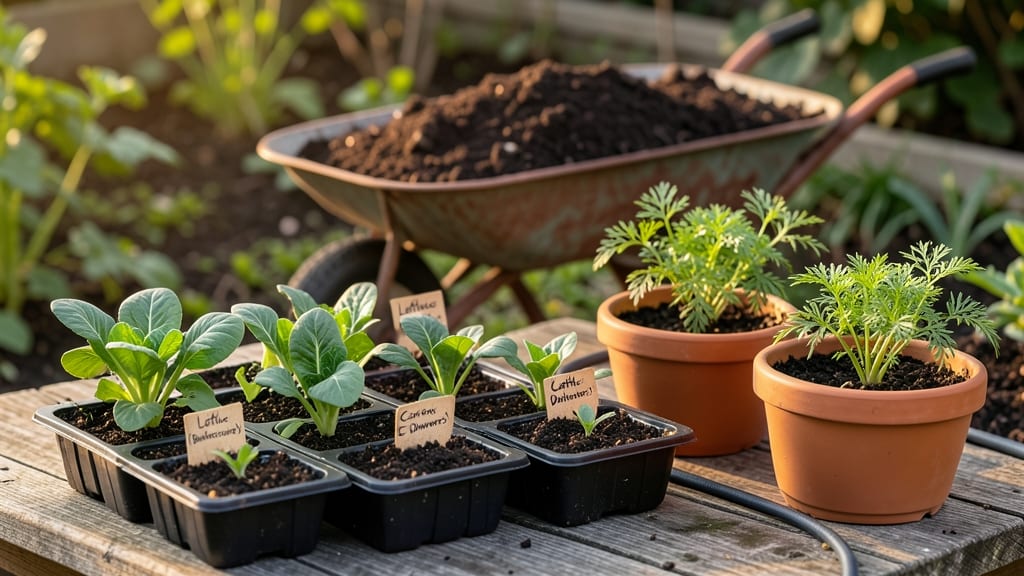
Planting your Fall Garden Vegetables in Texas at the wrong time can turn your hard work into a sad pile of wilted greens before you even taste that first harvest.
The key isn't just avoiding frost—it's mastering the 6-8 week rule before your zone's first chill, because Texas' heat zones (8a-10b) play by their own calendar.
I've learned the hard way that mid-August isn't too early for heat-loving crops like bush beans, but planting kale then means sad, bolting leaves by October. The sweet spot? September for most cool-season favorites, when soil stays warm enough for roots but nights begin cooling for leafy growth.
This is where Texas gardeners outsmart frost by choosing fast growers like radishes or slower maturers like broccoli in the right zones.
What you'll discover here are the exact planting windows for your specific Texas heat zone, plus the 3 biggest mistakes that kill fall gardens before they even get going.
We're talking soil prep secrets, the right crops for your region, and how to stretch your harvest right up to Christmas—even in Zone 8a where frost hits earliest.
Ready to turn your Texas garden into a fall harvest goldmine? Let's get those seeds in the ground at the perfect moment, because timing isn't just about what you plant—it's about when you plant it to beat the freeze.
Texas heat Zone planting deadlines: exact dates by region for fall vegetables
Texas’ diverse USDA heat zones (8A–10B) create wildly different fall planting windows. In Zone 8A (North Texas), the first frost can hit as early as November 15, while Zone 10B (South Texas) may see frost in January.
Your goal? Plant cool-season crops 6–8 weeks before frost to ensure maturity before temperatures dip below 32°F.
For example, broccoli needs 70–90 days to mature—so in Zone 9A, you’d start seeds by mid-August for a late October harvest. Meanwhile, spinach, which matures in 30–50 days, can be sown until mid-October in Zone 8A.
Miss these deadlines, and you’ll risk bolting (premature flowering) or frost damage.
Here’s the critical rule: Transplant seedlings 4–6 weeks before frost, while direct-sowing seeds should go in 8–10 weeks before frost. This accounts for slower germination in Texas’ late-summer heat.
For instance, carrots sown in early September in Zone 10A will be ready by November, but the same seeds planted in October may rot in the cold.
| USDA Zone | Avg. First Frost | Last Planting Date for Seeds | Last Transplant Date | Fast-Growing Crops (30–60 days) | Slow-Growing Crops (60+ days) |
|---|---|---|---|---|---|
| 8A (North Texas) | November 15 | September 15 | October 15 | Radishes, Lettuce, Spinach | Broccoli, Cabbage, Kale |
| 8B (Central Texas) | November 25 | September 25 | October 25 | Bush Beans, Turnips, Arugula | Carrots, Brussels Sprouts, Onions |
| 9A (East/Central Texas) | December 15 | October 15 | November 15 | Peas, Mustard Greens, Swiss Chard | Cauliflower, Collards, Leeks |
| 9B (South Texas) | December 25 | October 25 | November 25 | Green Onions, Radishes, Spinach | Kohlrabi, Parsnips, Late Cabbage |
| 10A (Deep South Texas) | January 1 | November 15 | December 15 | Lettuce, Kale, Arugula | Broccoli, Cauliflower, Brussels Sprouts |
| 10B (Rio Grande Valley) | January 15 | November 30 | December 30 | Spinach, Mustard Greens, Peas | Cabbage, Carrots, Late Tomatoes |
Pro tip: Use Texas A&M’s Frost Date Calculator to pinpoint your local frost risk. Even in Zone 10B, unpredictable cold snaps can strike—so always plant succession crops every 2–3 weeks for continuous harvests.
For example, sow lettuce seeds every 10 days from September to October to enjoy fresh greens through December.
Another critical factor is soil temperature. Most cool-season crops thrive when soil is between 50–70°F. In August, Texas soils can still hit 90°F—so either use shade cloth or wait until late August for seeds.
For transplants, aim for soil temps below 80°F to avoid transplant shock.
Common mistakes? Planting tomatoes or peppers in fall (they’re warm-season crops and won’t recover from frost). Instead, swap them for kale or collards, which sweeten in cold weather. Also, avoid overcrowding seedlings—Texas’ humid fall mornings can lead to fungal diseases like powdery mildew if airflow is poor.
For container gardens, adjust deadlines by 1–2 weeks earlier since pots cool faster. Place containers in south-facing spots and use black plastic mulch to warm soil. In Zone 8A, this can extend your harvest window by 2–3 weeks compared to in-ground planting.
Remember: Texas’ fall weather is unpredictable. Even if the calendar says it’s safe, check local weather forecasts for cold fronts. A light frost (below 32°F) can damage leafy greens, while a hard freeze (below 28°F) will kill most cool-season crops.
Use row covers or cold frames to push limits—especially in Zones 8A–9A.
Best fall vegetables for Texas gardens: fast-growing vs. slow-maturing picks
Choosing the right fall vegetables for Texas gardens means balancing heat tolerance with harvest speed. Late-summer heat can still linger, so I prioritize crops that thrive in 80°F+ temperatures while maturing before the first frost.
Fast-growing varieties like bush beans and radishes are my go-to for quick harvests, while slower crops like broccoli and kale need early starts to reach maturity.
Texas’ USDA zones 8A–10B allow for a longer growing season than northern states, but timing is critical. I focus on 30–60 day crops for late August plantings and 60+ day crops for early September starts.
For example, turnips and spinach can handle cooler temps but bolt in summer heat, so I plant them only after mid-August when nights cool down.
Here’s my breakdown of top-performing fall vegetables for Texas, categorized by speed and heat tolerance:
- Bush beans: Heat-tolerant; plant August–September for harvests before frost. Varieties like Blue Lake thrive in 90°F+.
- Radishes: Ready in 25–30 days. Choose French Breakfast for heat resistance. Sow late August–early September.
- Lettuce (heat-tolerant varieties): Black Seeded Simpson or Jericho handle 85°F better than traditional types. Plant September–October.
- Spinach (Malabar): Bolt-resistant; harvest in 40–50 days. Start late August–September for fall harvests.
- Broccoli: Start transplants in August for harvests by December. Waltham 29 is cold-hardy and fast for Texas.
- Kale (Lacinato or Red Russian): Plant August–September; sweeter after light frosts. Takes 60–70 days.
- Carrots (Danvers or Nantes): Sow late August–September for 70–80 day harvests. Use loose soil to prevent forking.
- Cabbage (Golden Acre): Transplant August–early September for heads by November. Tolerates 70°F+.
For heat-sensitive crops like lettuce or spinach, I recommend shade cloth in late August to protect seedlings from 100°F+ temps. Succession planting every 2–3 weeks ensures a steady harvest. For example, I sow radishes every 10 days in September to enjoy fresh greens until frost.
Slow-maturing crops need extra care in Texas’ unpredictable fall weather. I always check the National Weather Service for frost advisories and use row covers to extend the season. For instance, broccoli planted in early August might bolt in September heat, so I opt for late August starts instead.
Pro tip: Pair fast and slow crops together. For example, plant radishes alongside carrots—the radishes mature quickly, while the carrots take longer. This maximizes space and ensures a continuous harvest. Just
🌱