
Plants
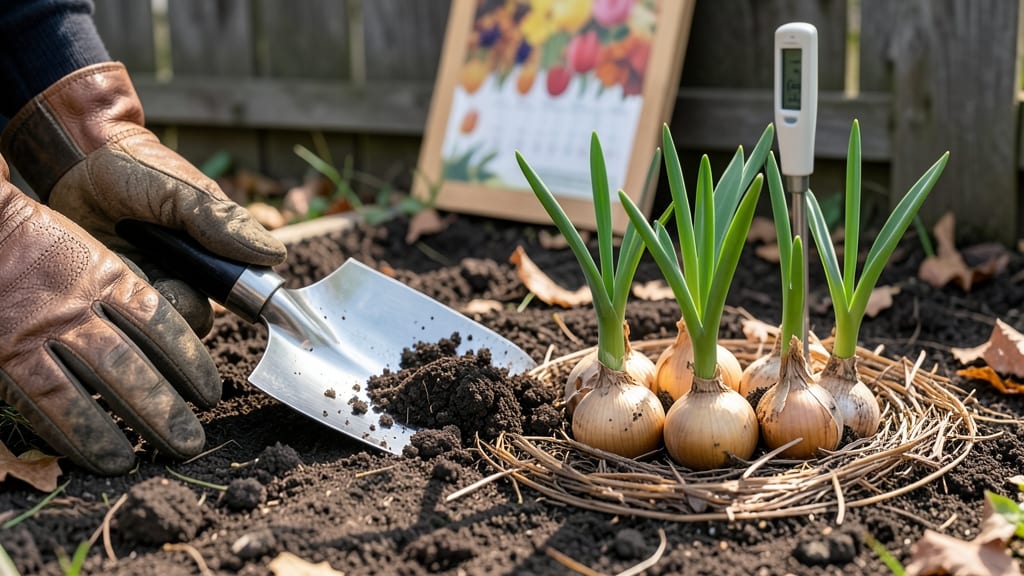
Planting tulips in the ground at the wrong time can mean weak blooms—or worse, no flowers at all. Timing is everything, but how do you know when your local climate is finally ready?
For USDA Zone 6a, the ideal window is between September and November or March and April, but the key lies in soil temperature and chill-hours.
Most gardeners assume spring is the only option, but fall planting actually gives your 🌷 tulip bulbs a head start. The secret? Soil temperatures need to drop below 60°F (15°C)—a sure sign it's time to plant.
This ensures bulbs establish roots before winter sets in, setting the stage for vibrant blooms next spring.
I’ve learned the hard way that rushing the process leads to disappointment. Whether you’re in a mild coastal area or a colder inland zone, understanding your local frost dates and chill-hour requirements makes all the difference. Let’s break down exactly when—and how—to plant for the best results.
From soil prep to depth, we’ll cover everything you need to know to avoid common mistakes. Ready to transform your garden with perfect timing? Let’s get started.
The right time to plant tulips based on chill-hours & soil temperature
Tulips thrive when planted at the perfect intersection of chill-hours and soil temperature. Most varieties need 300-500 hours below 45°F (7°C) to bloom reliably. This cold exposure triggers their flowering cycle, so timing matters more than you might think.
If you plant too early, bulbs may sprout but fail to flower. Too late, and they won’t establish strong roots before winter.
Your local soil temperature is the second critical factor. Tulip bulbs should go into cooler soil (below 60°F/15°C) to prevent premature sprouting. In warm climates, this might mean waiting until late fall or even winter.
In cooler zones, you can plant as early as September. The key is ensuring bulbs experience 6-8 weeks of cold dormancy before spring growth begins.
Here’s how to check if your climate is ready: Monitor your local weather forecasts for the first consistent stretch of cooler nights (below 50°F/10°C). Use a soil thermometer to confirm temperatures have dropped below 60°F at a 6-inch depth. This is your green light to plant.
Regional variations play a huge role. In USDA Zones 3-5, you can plant tulips as early as late August to early September.
Gardeners in Zones 6-7 should aim for mid-September to October, while those in Zones 8-10 may need to wait until November or even December to avoid heat stress on bulbs.
Pro tip: If you’re unsure about your chill-hours, check your local USDA Hardiness Zone and cross-reference with a tulip chill-hour chart. Most garden centers provide this info for popular varieties. For example, Darwin Hybrid tulips often need more chill-hours than species tulips, so adjust your timing accordingly.
🌱 Tulip Planting Conditions Comparison
| Factor | Ideal Condition | Why It Matters |
|---|---|---|
| Chill-Hours | 300-500 hours below 45°F (7°C) | Triggers flowering; too few = no blooms |
| Soil Temperature | Below 60°F (15°C) at 6" depth | Prevents premature sprouting |
| Planting Depth | 6-8 inches deep | Protects bulbs from frost heave |
| Spacing | 4-6 inches apart | Allows airflow; reduces disease risk |
| Soil Type | Well-draining, loamy | Prevents bulb rot in winter |
🌷 Note: Adjust depth in sandy soil (+1 inch) or clay soil (-1 inch).
Don’t overlook the importance of soil preparation. Tulips prefer loamy, well-draining soil with a pH between 6.0 and 7.0. Before planting, amend heavy clay with compost or sand, and mix in a slow-release bulb fertilizer (like 10-10-10) to give roots a nutrient boost.
Avoid fresh manure—it can burn bulbs and attract pests.
One common mistake is planting tulips in warm soil and expecting them to thrive. If your soil stays above 60°F for too long, bulbs may sprout prematurely and get damaged by frost.
To test, bury a thermometer in your garden bed for a few days. If it reads above 60°F, wait a few more weeks before planting.
For gardeners in warmer climates (Zones 8-10), consider pre-chilling bulbs in your fridge for 8-12 weeks before planting. Store them in a paper bag in the crisper drawer (not the freezer!) to mimic winter conditions. This trick helps bulbs meet their chill-hour requirements even in mild winters.
Finally, remember that spring planting is possible in cooler climates, but it’s riskier. Bulbs planted in March or April may not have time to establish roots before summer heat arrives. If you choose this route, use shade cloth to protect newly planted bulbs until they’re established.
Timing your tulip planting correctly ensures vibrant blooms next spring. Pay attention to your local climate, soil conditions, and the specific needs of your tulip varieties. With the right approach, you’ll enjoy a garden bursting with color year after year. 🌷
The right time to plant tulips based on chill-hours & soil temperature
Tulips thrive when planted during their dormant season, typically fall or early spring. But timing isn’t just about the calendar—it’s about chill-hours and soil temperature.
Most tulips need 300–500 chill-hours (temperatures below 45°F/7°C) to bloom properly. If you plant too early, bulbs may sprout prematurely and rot in warm soil.
For fall planting (the preferred method), aim to plant 4–6 weeks before the ground freezes. This gives roots time to establish before winter. In USDA Zones 3–7, this usually means September–November. Warmer zones (8–10) can plant in December–February to avoid heat stress.
| Factor | Ideal Range | Zone Examples |
|---|---|---|
| Chill-Hours | 300–500 | Zones 3–7 (automatic) |
| Soil Temperature | Below 60°F (15°C) | Zones 8–10 (plant later) |
| Planting Window | 4–6 weeks before frost | Sept–Nov (cool zones), Dec–Feb (warm zones) |
| Spring Planting | March–April (only if missed) | Zones 5–10 (risk of summer dormancy) |
Soil temperature is just as critical as chill-hours. Tulip bulbs need cool soil (below 60°F/15°C) to prevent rot. Use a soil thermometer to check—if it’s above 65°F/18°C, wait a few weeks. In Zone 8–10, where winters are mild, plant in December–January to avoid heat stress.
Pro tip: If you’re unsure about your local chill-hours, check your USDA Zone and average frost dates. For example, Zone 5 (like Chicago) typically plants in October, while Zone 9 (like Miami) waits until December. Always plant 6–8 inches deep—this protects bulbs from temperature fluctuations.
Spring planting is possible but riskier. If you miss fall, plant in March–April in Zones 5–10, but expect smaller blooms or delayed flowering. The key is ensuring bulbs get their required chill-hours before spring growth begins.
Remember: Tulips are perennials, but their blooms depend on proper dormancy. Plant at the right time, and you’ll reward yourself with vibrant spring flowers for years to come! 🌷