
Plants
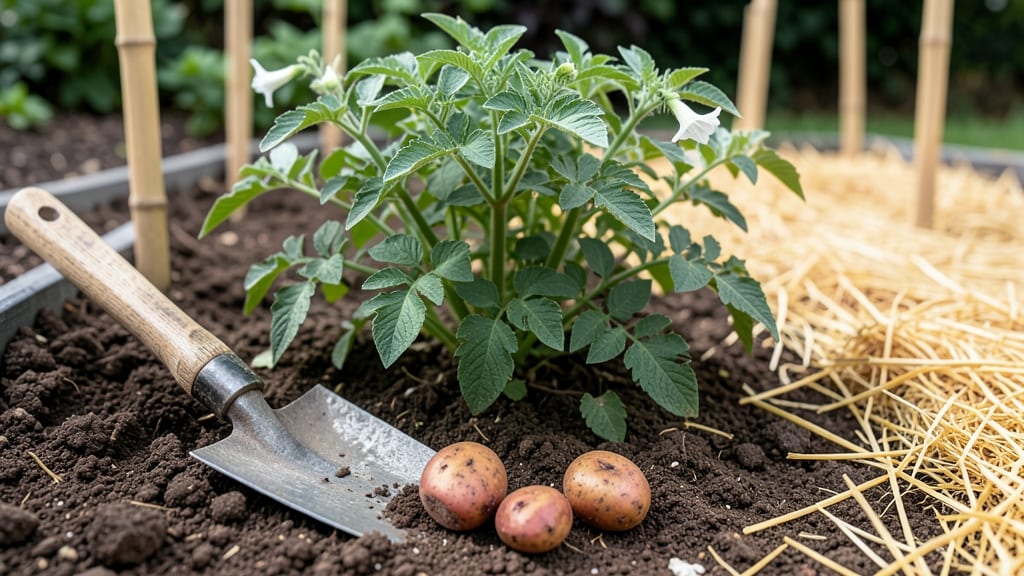
Planting potatoes in Texas isn't just about throwing them in the ground—it's all about timing your 🥔 for the perfect soil temperature to kickstart fast growth. If you plant too early, your spuds might rot; too late, and you’ll miss the ideal window for a full harvest.
The secret lies in understanding when the soil warms up enough to support those little tubers without stressing them.
In North Texas, where frost lingers until mid-February, your best bet is to start planting in late February or early March—once the soil hits that sweet spot of 45-55°F.
But if you're in South Texas, where winters are milder, you can even plant as early as September for a fall harvest. The key is knowing your zone and adjusting your schedule to avoid common mistakes that slow down sprouting.
I’ve learned the hard way that rushing the process—whether by planting too soon or ignoring soil conditions—can lead to disappointing results. But with the right approach, you can double your chances of a thriving potato patch.
Let’s break down exactly when and how to plant for fast, healthy growth in Texas’s unique climate.
Whether you’re a seasoned gardener or just starting out, this guide will help you master the art of potato planting. You’ll discover the best months, soil prep tips, and even how to extend your growing season with simple tricks. Ready to dig in?
Ideal soil temperature ranges for planting potatoes in Texas regions
Potatoes thrive when planted in cool soil, but Texas's diverse climate means one-size-fits-all timing won't work. The sweet spot for planting is when soil temperatures reach 45-55°F—this triggers fast sprouting and strong tuber development.
In North Texas, this typically happens in late February to early March, while South Texas gardeners should aim for September to October to avoid summer heat stress.
Why does soil temperature matter so much? Potatoes are cool-season crops that struggle when soil exceeds 60°F. Warm soil speeds up germination but can lead to stunted growth or even rot if tubers overheat.
Testing your soil temperature with a soil thermometer (inserted 4 inches deep) gives you the most accurate planting cue—no guessing required.
Here’s how Texas’s three main regions differ:
For North Texas, early varieties like Yukon Gold can handle cooler soils, while Central Texas benefits from slightly later planting to avoid spring heat waves. South Texas gardeners should focus on fall planting to escape summer’s brutal heat—think of it as a cool-season escape from the Texas sun.
Pro tip: If your soil hasn’t warmed enough by the ideal window, use black plastic mulch to raise soil temperatures by 5-10°F. Lay it down 1-2 weeks before planting to jumpstart germination. Just remove it once sprouts appear to prevent overheating.
Another trick for Texas’s unpredictable springs is to plant two batches: one in late February and another in early April. This staggered approach ensures a continuous harvest and hedges against late frosts or early heatwaves. Just space them 3-4 weeks apart for balanced growth.
What if you’re in a transition zone, like the Hill Country? Pay attention to microclimates—north-facing slopes warm up faster than south-facing ones. Test soil temps in your specific planting spot rather than relying on general region guidelines.
A 5°F difference can mean the difference between fast sprouting and failed germination.
For container growing in Texas, aim for soil temps of 50°F or higher—pots heat up faster than ground soil. Use dark-colored containers to absorb warmth, and place them in morning sun to extend the growing season. Just ensure pots have drainage holes to prevent waterlogged tubers.
Remember: Soil temperature > air temperature for potatoes. Even if the air feels warm, your soil might still be too cold. Always check with a thermometer to avoid costly mistakes. With the right timing, you’ll have homegrown potatoes in as little as 90 days—no waiting for store-bought spuds!
Texas-specific planting calendar: month-by-month guide for fast sprouting
Texas gardeners can't rely on a single planting window—our state's diverse microclimates demand flexibility. North Texas gardeners should aim for late February to early March, while South Texas growers can start as early as September for a fall harvest.
The key is aligning your planting with soil temperatures that trigger consistent sprouting, not just calendar dates.
For spring planting, I recommend using a row cover in early February to warm the soil faster. In South Texas (USDA Zones 9-10), you can even plant early varieties like 'Yukon Gold' in January under protective covers.
The goal is to have soil reach 50°F (10°C) at planting depth—this is your green light for fast sprouting.
Here’s my month-by-month breakdown for planting potatoes in Texas, including harvest windows and regional adjustments:
South Texas only: Plant early varieties (e.g., 'Red Pontiac') under row covers to protect from light frosts.
North/Central Texas: Start seed potatoes in warm beds or under black plastic to reach 50°F soil temp.
Statewide: Primary planting month—soil temps hit 55-60°F in most regions. Use late varieties (e.g., 'Russet') for summer harvests.
South Texas: Begin fall planting for winter harvests. Choose short-season varieties (e.g., 'New Potato') to mature before frost.
Central/North Texas: Last chance for fall planting—use row covers to extend season in colder zones (e.g., Dallas-Fort Worth).
Pro Tip: Use a soil thermometer to confirm temps—45-55°F is ideal for planting, while 60°F+ speeds up sprouting.
In North Texas (USDA Zones 7-8), I’ve seen 30-45 days faster sprouting when planting in warm beds (amended with compost and covered with black plastic for 2 weeks before planting).
For South Texas, focus on shade-cloth during peak summer heat to prevent soil overheating, which can stress young tubers.
Remember, harvest timing depends on variety: New potatoes (e.g., 'Red Norland') mature in 70-90 days, while storage varieties (e.g., 'Kennebec') need 100-120 days. Plan your planting window to avoid summer heat stress—aim for harvests before July in North Texas and June in South Texas.
For container growers, April-May is your best bet—use 5-gallon buckets with well-draining mix and plant seed potatoes cut into 2-inch chunks (each with 2-3 eyes). These will sprout 2 weeks faster than in-ground potatoes due to consistent soil warmth.
🌱