
Plants
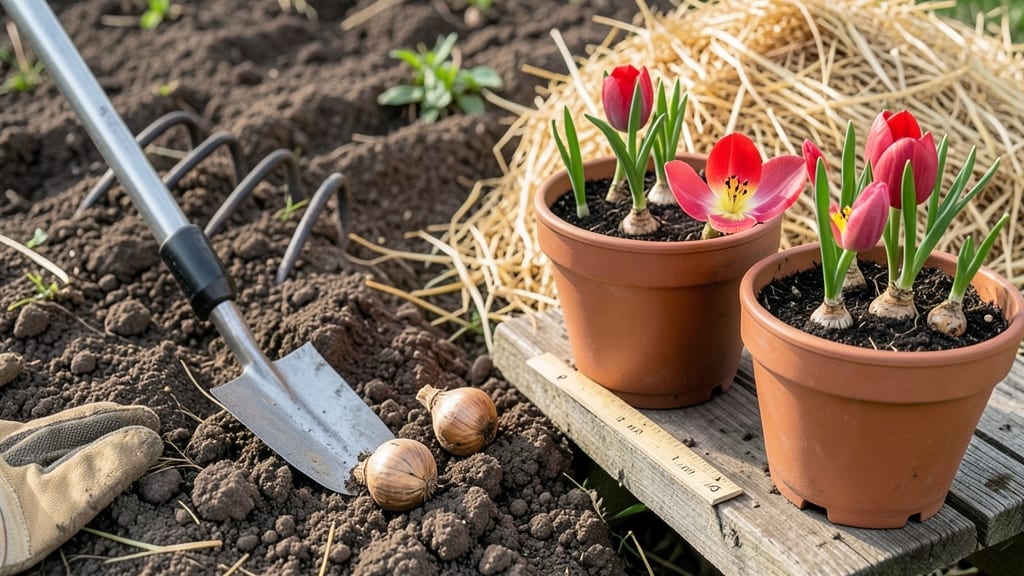
Timing when can you plant potted tulips in the ground can feel like a high-stakes guessing game—plant too early, and frost zaps their energy; too late, and they struggle to establish roots. The key to success? Understanding when soil temperatures and seasonal cues align for your Zone 6 climate.
Most gardeners assume "spring" means instant planting, but soil temperature is the real game-changer. Tulips thrive when the ground warms to 40–50°F, signaling it’s safe to transplant without shocking their delicate roots.
This window typically opens in March–April for spring planting or September–November for fall, depending on your last frost date.
You’ll know your 🌷 tulips are ready when their leaves stretch taller than their pots and roots crowd the drainage holes. But don’t rush—waiting for consistent daytime temps above 50°F ensures they’ll bloom stronger, not wilt. Let’s break down the exact steps to time it perfectly.
Whether you’re a first-time planter or refining your routine, this checklist will help you avoid common pitfalls like premature planting or missed seasonal windows. Ready to give your tulips the best start? Let’s dive into the details.
Soil temperature guidelines for planting potted tulips outdoors
Timing your potted tulips’ move to the garden bed depends on soil temperature, not just air temperature. Tulips thrive when soil reaches 40-50°F—this warmth signals roots to establish before winter dormancy or spring growth.
Planting too early in cold soil shocks bulbs, while waiting too long risks stunted blooms or failed growth.
Fall planting (ideal for most zones) should occur 4-6 weeks before the first frost. In USDA Zone 6, this typically means late September to early November. Spring planting, however, requires soil to warm to 50°F consistently, usually in March or April, depending on your region.
To test soil readiness, use a simple soil thermometer (insert 4-6 inches deep). If the temperature hovers between 40-50°F for 3-5 days, your tulips are ready. This method is far more accurate than relying on air temperature alone, which can be misleading.
Regional differences matter! In warmer climates like Zone 8-10, aim for fall planting in October-November or spring planting in February-March. Cooler zones (3-5) may need to plant as early as August-September to avoid winter freeze damage.
| USDA Zone | Ideal Planting Window | Soil Temp (°F) | Key Notes |
|---|---|---|---|
| 3-5 | August-September (fall) or April-May (spring) | 40-45°F | Plant early to avoid winter freeze |
| 6-7 | September-October (fall) or March-April (spring) | 45-50°F | Classic tulip zone—balance frost risk |
| 8-10 | October-November (fall) or February-March (spring) | 50-55°F | Warmer soil—plant later to avoid heat stress |
If your soil is too cold, harden off your potted tulips by moving them to a sheltered outdoor spot during the day (like a garage or porch) for 1-2 weeks.
This gradual exposure helps roots adjust to temperature fluctuations before full transplant. Avoid hardening off in direct sunlight or wind, which can stress the bulbs.
For spring planting, monitor soil temps daily—once they stay above 50°F for 5 consecutive days, it’s safe to plant. Tulips planted in warm soil may bolt (shoot up too fast), leading to weak stems.
To prevent this, water deeply after planting and mulch with 2-3 inches of straw or shredded leaves to regulate soil temperature.
Pro tip: If you’re unsure about your soil’s readiness, opt for fall planting. Tulips planted in autumn establish roots before winter, then bloom vigorously the following spring. Spring planting is riskier unless you’re in a mild climate like Zone 8+. 🌷
Soil temperature guidelines for planting potted tulips outdoors
Timing your potted tulips’ move to the garden bed hinges on soil temperature, not just air temperature. Tulips thrive when soil reaches 40–50°F, signaling roots can harden and adapt to outdoor conditions. This range ensures bulbs won’t rot from cold soil or stress from premature planting.
In USDA Zone 6, aim for late September to early November for fall planting or early March to mid-April for spring.
Use a soil thermometer to check depth—insert it 6 inches deep (the tulip bulb’s planting depth) for accurate readings. Morning tests work best since soil warms during the day.
If your thermometer reads below 40°F, wait 1–2 weeks or protect bulbs with mulch (3–4 inches of straw or shredded leaves).
Regional variations matter: Northern climates (Zones 3–5) should plant 4–6 weeks before frost, while Southern zones (7–9) can extend planting until December or even February for spring blooms. Always prioritize 6–8 weeks of root establishment before winter’s first freeze.
| USDA Zone | Ideal Soil Temp | Planting Window | Key Cue |
|---|---|---|---|
| 3–5 (Cold) | 40–45°F | Late Sept–Oct | Frost-free days: 6+ weeks |
| 6–8 (Temperate) | 45–50°F | Oct–Nov or Mar–Apr | Soil probe test: moist but not soggy |
| 9–11 (Warm) | 50–55°F | Nov–Dec or Feb–Mar | Night temps: 50°F+ consistently |
Pro tip: If your soil stays below 40°F for weeks, harden off potted tulips by moving them to a shaded, sheltered spot outdoors during the day and back inside at night. Gradually increase exposure over 7–10 days to mimic natural conditions. This mimics what happens in nature, reducing transplant shock.
Avoid the common mistake of planting too early—even if your potted tulips look lush. Cold soil can stress bulbs, leading to rot or failed blooms. Conversely, planting too late (within 4 weeks of frost) may not give roots enough time to establish before winter dormancy. Balance is key!
For container-grown tulips, check roots for circular growth around the bulb’s base. If roots fill the pot, it’s time to transplant. Pair this with soil temperature checks for foolproof timing. Mulch after planting to insulate roots and retain moisture during fall’s temperature swings. 🌷