
Planting
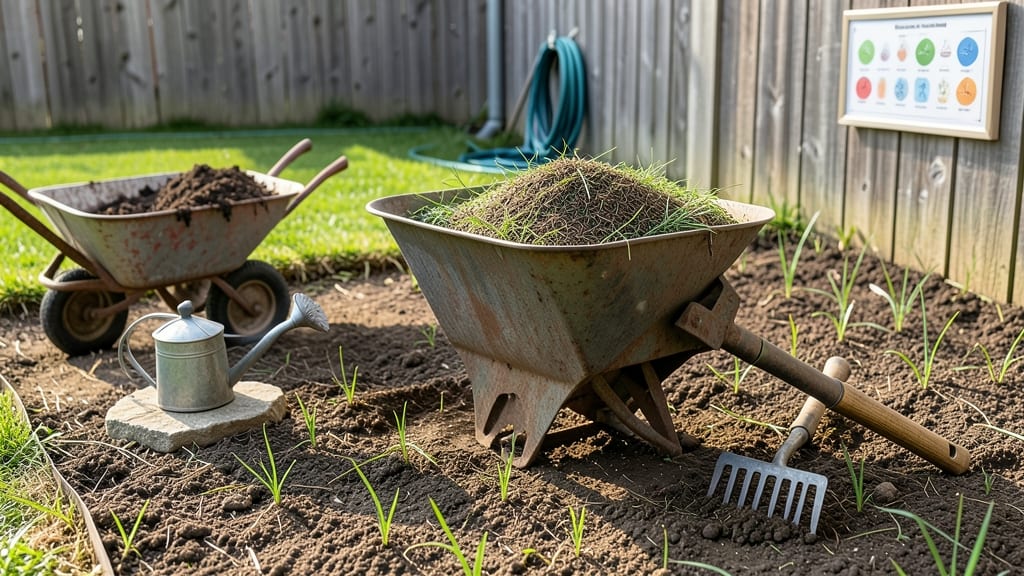
Planting grass seed in Wisconsin at the wrong time can mean watching your hard work melt away with the first frost—or get choked out by weeds before it even takes root.
The perfect frost-free window here isn’t just about waiting for spring; it’s about knowing exactly when your USDA Zone 5B/6A soil is ready to welcome those tiny seeds.
I’ve learned the hard way that rushing too early—when the ground is still icy—or waiting too late can turn your lawn dreams into a weed-filled disappointment. Wisconsin’s unpredictable weather demands precision, but with the right timing, you can set your lawn up for success before summer even arrives.
Let’s break down the science behind it.
First, you’ll want to check soil temperatures and local frost dates—because planting too soon means seedlings struggling, and planting too late means missed opportunities.
Whether you’re seeding in early spring or fall, the key is understanding how microclimates across Wisconsin (from Madison to Milwaukee) can shift your ideal window by weeks.
In this guide, I’ll walk you through the exact steps to time your planting like a pro, from verifying soil readiness to avoiding common mistakes that ruin lawns. Ready to grow grass that’s thick, green, and ready for action by summer? Let’s get started.
Wisconsin grass planting calendar: best months by USDA Zone 5B/6A
Wisconsin’s USDA Zones 5B/6A create a unique window for planting grass seed, where timing separates success from disappointment. The last frost date typically arrives between mid-April and early May, but soil temperature and regional microclimates play just as big a role.
In Northern Wisconsin (e.g., Green Bay, Wausau), cooler soils may delay planting by 1-2 weeks compared to Southern Wisconsin (Madison, Milwaukee).
Most gardeners in Wisconsin focus on two planting windows: early spring and early fall. Spring planting gives your lawn a head start before summer weeds take over, while fall planting lets grass establish deep roots before winter.
Both strategies work—but only if you plant at the right moment. Miss the window, and you risk frost damage, dormancy, or weed competition.
Here’s the golden rule for Wisconsin: Aim to plant 4-6 weeks before the last frost in spring or 4-6 weeks before the first frost in fall. For most of the state, that means late April to early May for spring and mid-August to early September for fall.
But don’t just guess—check your local frost dates and soil temperature for precision.
Why timing matters so much: Grass seed needs consistent soil temps above 50°F (10°C) to germinate. Below that, seeds rot or remain dormant. In Wisconsin, soil warms unevenly—southern lawns may hit 50°F by late March, while northern lawns might not reach it until early May. Use a soil thermometer to confirm readiness before planting.
Another critical factor is weed suppression. Planting too late in spring (after mid-May) gives weeds like crabgrass a 3-week head start. Fall planting, on the other hand, avoids this by letting grass outcompete weeds before winter dormancy.
For shade-tolerant grasses (like fine fescue), fall is often the better choice.
Let’s break down the exact planting windows for Wisconsin’s two main regions, including soil temp targets and frost-free periods. This comparison will help you pick the best time for your lawn’s success.
For cool-season grasses (like Kentucky bluegrass or tall fescue), fall planting is often the best choice in Wisconsin. These grasses germinate quickly in warm soil but establish deep roots in cooler weather.
Plant in September, and your lawn will be thicker and greener by spring compared to a spring-planted lawn.
If you’re planting warm-season grasses (like Bermuda or Zoysia), stick to late
How to check soil temperature and frost dates for perfect grass seed timing
Wisconsin’s cool, variable climate means guessing when to plant grass seed can backfire. Soil temperature and frost forecasts are your secret weapons for success. Most grass seeds need soil temps between 50°F and 65°F to germinate—too cold, and they’ll rot; too warm, and they dry out.
Let’s break down how to check these critical factors before you even open that seed bag.
Start by checking your local USDA Plant Hardiness Zone. Most of Wisconsin falls under Zone 4a-5b, but even within those zones, microclimates vary. For example, Southern Wisconsin (Zone 5b) warms up faster than Northern Wisconsin (Zone 4a).
Use the University of Wisconsin Extension’s frost date maps to pinpoint your area’s average last frost date—typically mid-April to early May for most regions.
Step-by-Step Guide to Perfect Planting Timing
- 🌡️ Check soil temperature with a soil thermometer (insert 2-3 inches deep). Aim for 50°F–65°F for cool-season grasses like Kentucky bluegrass or tall fescue.
- 📅 Verify frost dates using the NOAA Climate Data or UW Extension tools. Plant 4–6 weeks before the average last frost date for spring seeding.
- 🌱 Test germination readiness by scattering a small amount of seed on damp paper towels. If 50% sprout within 7–10 days at room temp, your soil is ready.
- ☀️ Monitor weather forecasts for 5+ consecutive days above 40°F at night—this ensures seedlings won’t freeze.
- 📝 Adjust for fall planting if seeding in early September. Soil should stay above 50°F for 6–8 weeks post-planting to establish roots before winter.
Don’t overlook local microclimates. Areas near large bodies of water (like Lake Michigan) or urban heat islands may warm up 1–2 weeks earlier than rural zones. If you’re unsure, ask neighbors with established lawns—they’ve likely already learned the best window for their specific spot.
For cool-season grasses, like perennial ryegrass, timing is even more critical. These varieties germinate fastest in 55°F–65°F soil and can handle light frosts once established. If your soil is below 50°F, wait—even a single hard frost can kill tender seedlings before they take root.
Pro tip: Use a soil warming mat or black plastic mulch to speed up soil warming in early spring. This can shave 1–2 weeks off your planting timeline, especially in Zone 4a areas where springs are slower to arrive. Just remove the plastic once seeds are planted to avoid overheating.
Finally, keep an eye on rainfall predictions. Grass seeds need consistent moisture to germinate, but standing water can drown them. Aim for 1–1.5 inches of water per week after planting, either from rain or gentle watering. A weatherproof seed blanket can help retain moisture without suffocating young sprouts.