
Plants
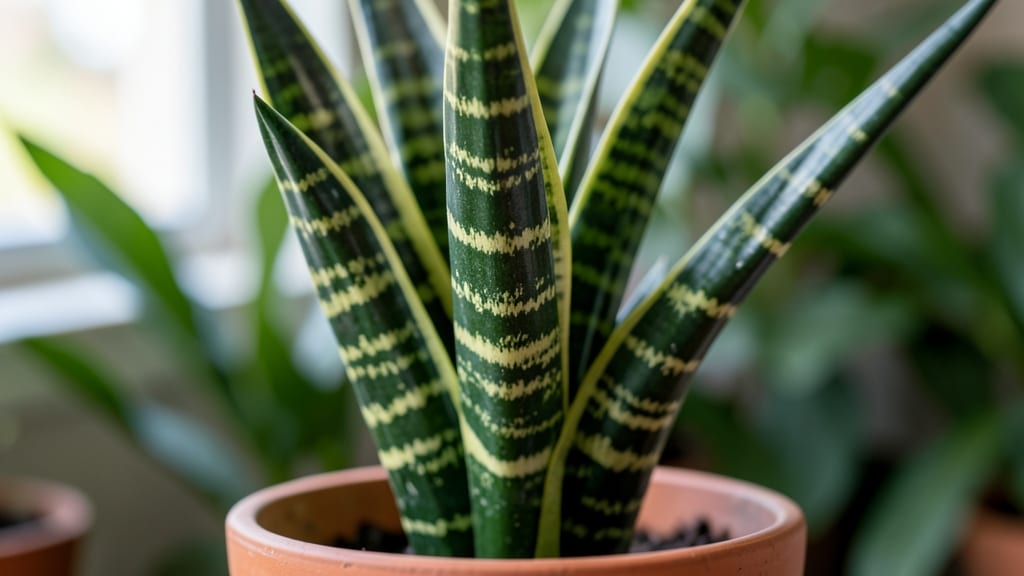
If you’ve ever glanced at your snake plant 🌱 and wondered how tall it will grow, you’re not alone. Some varieties of this popular houseplant can stretch toward the ceiling—while others stay neatly contained.
Knowing how tall your snake plant will grow helps you choose the right spot and care routine, so you can enjoy its striking foliage without surprises.
The answer depends on the variety you’ve got. Standard snake plants (Sansevieria trifasciata) often reach 3 to 4 feet tall, but compact types like ‘Hahnii’ stay under 1 foot.
Even within the same species, growth habits can shift based on light, pot size, and how often you water it. A little planning now means you won’t end up with a leafy skyscraper where you least expect it.
What’s more, some snake plants grow upright like a tower, while others spread horizontally, creating a bushier look. This means your care approach should match your plant’s natural shape—whether you’re dealing with a tall and slender variety or a sprawling ground cover.
Let’s break down exactly what to expect from your snake plant’s growth journey.
Ready to make sure your snake plant stays the perfect height for your space? I’ll walk you through the key factors that influence its growth, plus tips to keep it at your ideal size—whether that means trimming it back or letting it grow wild.
Your future self (and your ceiling fans) will thank you.


Snake plant height by variety: indoor growth limits explained
If you’ve ever wondered whether your snake plant (Sansevieria) will become a skyscraper in your living room, the answer depends entirely on the variety you’re growing. Some types stay compact and bushy, while others shoot straight up like indoor trees.
Let’s break down the height expectations for the most popular varieties so you can plan your space—and your plant’s future—with confidence.
The average mature height for snake plants ranges from 1 foot to 4 feet, but this varies dramatically between cultivars. For example, the ‘Futura Superba’ can reach 4 feet tall indoors, while the ‘Hahnii’ (Bird’s Nest Snake Plant) stays a modest 12 to 18 inches high but spreads wider.
Understanding these differences helps you choose the right variety for your home’s layout and lighting.
Here’s a quick snapshot of what to expect from four iconic snake plant varieties, including their growth habits and mature sizes:
| Variety | Mature Height | Growth Habit | Growth Rate |
|---|---|---|---|
| Sansevieria trifasciata 'Laurentii' | 2–3 ft | Upright, clumping | Moderate (6–12 in/year) |
| Sansevieria 'Futura Superba' | 3–4 ft | Tall, slender | Fast (12–18 in/year) |
| Sansevieria 'Hahnii' | 1–1.5 ft | Compact, rosette | Slow (3–6 in/year) |
| Sansevieria 'Moonshine' | 1.5–2.5 ft | Bushy, upright | Moderate (8–12 in/year) |
The ‘Laurentii’ is the classic snake plant many of us grew up with—its yellow-edged leaves and upright growth make it a staple in homes and offices.
It typically reaches 2 to 3 feet indoors, but with ideal conditions (like bright indirect light and well-draining soil), it can grow even taller over time. This variety is also known for its slow but steady growth, making it low-maintenance for busy plant parents.
If you’re after a statement plant that’ll make a bold visual impact, the ‘Futura Superba’ is your best bet. This variety can top out at 4 feet indoors, with slender, sword-like leaves that grow vertically.
Its fast growth rate means you’ll notice new leaves emerging every few months, especially if you provide it with plenty of sunlight and nutrient-rich soil. Just be prepared to rotate your pot occasionally so all sides get even light exposure.
On the opposite end of the spectrum, the ‘Hahnii’ (Bird’s Nest Snake Plant) is perfect for small spaces or windowsill gardens. This variety stays under 1.5 feet tall but spreads 2 to 3 feet wide, creating a lush, ground-hugging appearance.
Its slow growth rate and compact size make it ideal for apartments or offices where vertical space is limited. Plus, its unique rosette shape adds a touch of whimsy to any room.
The ‘Moonshine’ variety is a newer addition to the snake plant family and has quickly become a favorite for its bright, chartreuse leaves.
It grows to a moderate height of 1.5 to 2.5 feet and has a bushy, upright habit, making it great for adding a pop of color to a corner or shelf.
Unlike some taller varieties, ‘Moonshine’ is less likely to outgrow its space, but it still benefits from regular pruning to encourage fuller growth.
One common misconception is that all snake plants grow vertically like trees. In reality, many varieties—like ‘Hahnii’ and ‘Futura Superba’—grow in different patterns. For example, ‘Futura Superba’ grows in tight clusters, while ‘Laurentii’ spreads out more horizontally as it matures.
Paying attention to these growth habits helps you arrange your plants for maximum visual appeal, whether you want a tall, dramatic centerpiece or a sprawling, textured display.
If you’re still unsure which variety suits your space, consider your
Factors that control snake plant height: light, pot size, and care
Your snake plant’s height isn’t set in stone—it’s shaped by light exposure, pot size, and care habits. Too much sunlight can stretch leaves upward, while cramped roots force vertical growth.
Even watering patterns play a role, though overwatering slows growth entirely. Understanding these factors lets you guide your plant’s size—whether you want a towering statement piece or a compact desk companion.
Light is the biggest height influencer. Snake plants in bright indirect light grow taller and leaner, while those in low light stay shorter but may develop thinner leaves. Direct sun can scorch leaves but also encourage rapid vertical growth. If your plant stretches toward a window, it’s begging for more light—but not scorching afternoon rays. A north-facing window keeps growth controlled, while south-facing light can push heights beyond expectations.
Pot size matters more than you’d think. Root-bound plants grow faster vertically because they’re desperate for space. If your snake plant’s leaves are longer than its pot’s diameter, it’s time to upgrade.
Use a container only 1-2 inches wider than the plant’s base to encourage bushier growth. Terracotta pots help—unglazed surfaces wick away moisture, preventing root stress that can stunt height.
| Factor | Effect on Height | Solution |
|---|---|---|
| Bright Indirect Light | Taller, leaner growth (up to 4 ft) | East/west window; rotate plant weekly |
| Low Light | Shorter, thicker leaves (1-2 ft) | Move to brighter spot; supplement with grow lights |
| Root-Bound Pot | Rapid vertical growth (stretched leaves) | Repot in 1-2 inch wider container every 2-3 years |
| Overwatering | Slower growth, yellowing leaves | Water only when soil is completely dry (every 3-4 weeks) |
| Fertilizer Overuse | Leggy, weak growth | Feed once every 6-8 weeks in spring/summer |
Watering habits might seem unrelated, but overwatering stunts growth by causing root rot. Let the soil dry out completely between waterings—stick your finger 2 inches deep. If it’s damp, wait. Snake plants store water in their leaves, so they’re drought-tolerant.
In winter, reduce watering to every 6 weeks—growth slows naturally, and soggy soil invites pests like fungus gnats, which weaken the plant.
Temperature also plays a sneaky role. Snake plants thrive in 60-85°F, but cooler temps (below 50°F) slow growth entirely. If your plant is near a drafty window or AC vent, it may pause vertical expansion until conditions improve.
Conversely, warmth (75-85°F) speeds up growth—ideal if you want a taller specimen faster. Just avoid sudden temperature swings, which stress the plant and lead to uneven growth patterns.
Finally, pruning isn’t just for shaping—it encourages bushier, shorter growth. When you trim tall leaves at the base, the plant redirects energy to side shoots, creating a fuller, more compact form.
I’ll show you exactly how in the next section, but for now, remember: less pruning = taller growth, while regular trimming = controlled height. The choice is yours!