
How To
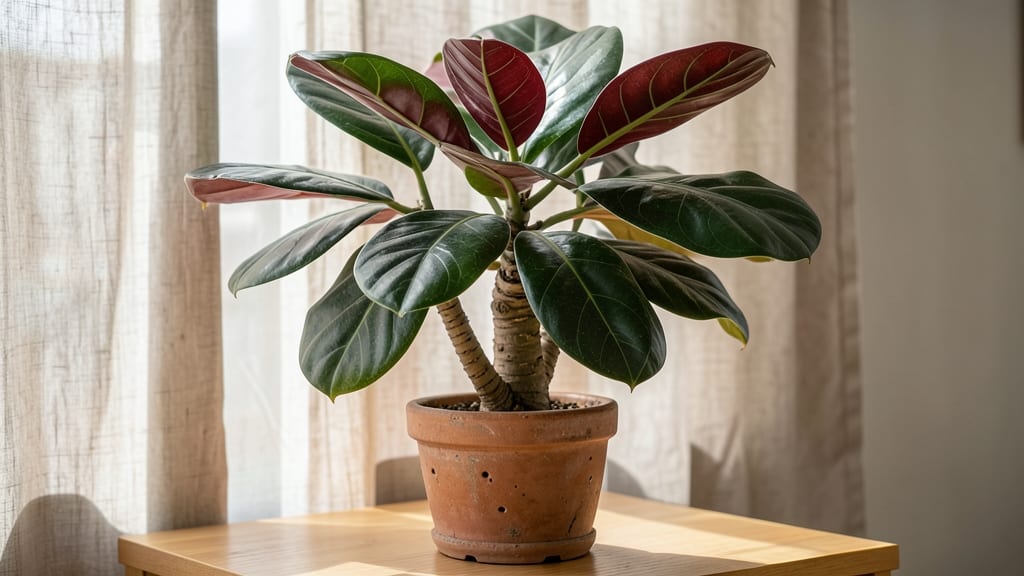
Wondering how tall your rubber plant 🌿 could grow? This fast-growing houseplant might start small, but with the right conditions, it can reach an impressive 6 to 10 feet indoors—making it a bold statement piece in any room.
If you're picturing a compact desk plant, think again. Without proper care, rubber plants can grow taller than you'd expect, especially in bright, indirect light. The good news? You can control its height with simple techniques like pruning and choosing the right pot size.
Whether you want a towering indoor tree or a manageable tabletop plant, understanding how to manage its growth is key. I’ll break down the factors that influence rubber plant height and share tips to keep it at your ideal size.
Ready to transform your rubber plant from a modest starter into a stunning centerpiece? Let’s dive into what affects its growth and how you can shape it to fit your space perfectly.


Rubber plant height limits: indoor growth expectations by variety and conditions
The rubber plant (Ficus elastica) is a tropical stunner that can reach impressive heights indoors with the right conditions. On average, mature rubber plants grow between 6 to 10 feet tall when given ideal care, but their final height depends heavily on your variety choice and growing environment.
Some varieties, like the dwarf varieties, stay compact at just 2–4 feet, while standard types can tower toward ceilings if left unchecked.
Understanding these growth expectations helps you plan for your space and avoid surprises. For example, a 3-year-old rubber plant typically stands between 4–6 feet tall, while a neglected plant in low light may only reach 2–3 feet.
The key to controlling height lies in light exposure, pruning habits, and pot size—all factors we’ll explore in detail below.
🌿
| Variety | Mature Height (Indoors) | Growth Timeline | Light Needs | Height Control Tip |
|---|---|---|---|---|
| Standard Ficus elastica | 6–10 feet | 1–3 years to mature | Bright indirect light | Prune annually to maintain height |
| Dwarf varieties (e.g., 'Burgundy', 'Black Prince') | 2–4 feet | 2–4 years to mature | Low to medium light | Use smaller pots to restrict root growth |
| Variegated types (e.g., 'Tineke', 'White Princess') | 5–8 feet | 2–3 years to mature | High indirect light | Rotate plant weekly for even growth |
| Outdoor-grown (tropical climates) | 10–30 feet | 5+ years to mature | Full sun to partial shade | Prune aggressively to manage size |
If you’re growing a standard rubber plant indoors, expect it to grow about 1–2 feet per year under optimal conditions. This means a plant that starts as a 6-inch cutting could reach 6 feet tall in just 3–4 years if you don’t intervene.
The good news? With strategic pruning and pot selection, you can easily keep it at a manageable height—even in small apartments.
For dwarf varieties, growth is slower but more predictable. These compact types are perfect for desks, shelves, or small spaces, as they rarely exceed 4 feet. The trade-off? They may require more frequent pruning to maintain their shape, as their growth is often bushier rather than vertical.
Light plays a huge role in determining height. Rubber plants grown in low-light conditions (like a north-facing window) will stretch toward light sources, a phenomenon called etiolation. This can make them look leggy and weak, with internodes (the spaces between leaves) stretching up to 6 inches or more.
To prevent this, place your plant within 3–5 feet of a bright, indirect light source, like an east or south-facing window.
🌳
Another common misconception is that rubber plants will automatically stop growing once they reach a certain height. In reality, they continue growing as long as they have adequate light, nutrients, and space.
This is why many indoor rubber plants end up as tall, leggy monsters—they’ve simply outgrown their environment. The solution? Regular pruning and repotting every 2–3 years to refresh the soil and encourage bushier growth.
For those growing rubber plants outdoors in tropical climates, the height potential is even more dramatic. In ideal conditions, these plants can reach 10–30 feet tall and live for decades. However, outdoor rubber plants are rarely grown as houseplants due to their massive size and specific climate needs.
💡
5 Key factors that control rubber plant height (and how to manage them)
Your rubber plant’s height growth isn’t just luck—it’s a mix of environmental factors you can control. With the right adjustments, you can keep it at a manageable 3–4 feet or let it reach its full 6–10-foot potential. Here’s how each factor plays a role in shaping your plant’s stature.
First, light exposure is the biggest height influencer. Rubber plants stretch dramatically toward light, a condition called etiolation. Place yours near an east-facing window for balanced growth, or rotate the pot weekly to encourage even development. Too little light? Expect leggy, tall stems reaching for sunlight.
🌿
Next, pot size directly impacts height. Rubber plants grow taller when root-bound, as they compete for space. Choose a pot just 1–2 inches wider than the root ball to slow vertical growth. Overpotting encourages bushier, shorter stems by redirecting energy outward.
Don’t overlook pruning—this is your secret weapon for height control. By trimming leggy stems, you encourage lateral branching, which creates a fuller, dwarf-like appearance. Aim to prune 2–3 times per year to maintain your desired height, and propagate the cuttings to share with friends!
Finally, humidity and temperature work together to regulate growth. Rubber plants thrive in 50–60% humidity and 65–75°F temperatures. Outside these ranges, growth becomes erratic—either stunted or overly tall. Use a humidifier in winter or group plants together to create a microclimate.
With these five factors under control, you’ll steer your rubber plant’s height exactly where you want it—whether that’s a compact 3-foot tabletop statement or a towering 10-foot indoor tree. The choice is yours! 🌱