
How To
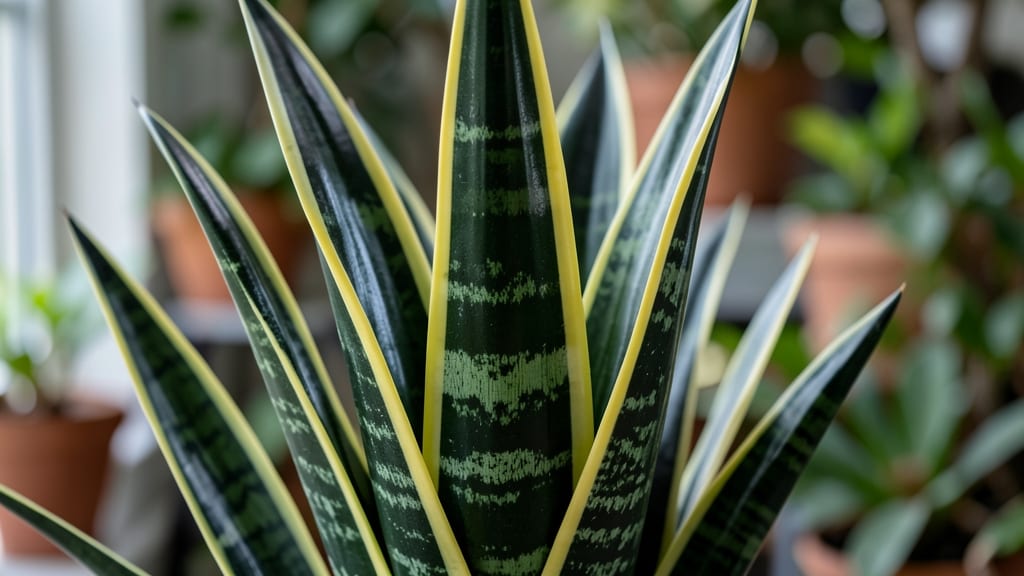
If you’ve ever glanced at your 🌿 Snake Plant and wondered how tall this snake plant can grow, you’re not alone—these plants can stretch taller than you think, especially with the right care.
Some varieties mature into towering 4-foot giants, while others stay compact, making size one of the most fascinating (and practical) aspects of growing them.
The key to predicting your snake plant’s height lies in its variety and growing conditions. Whether you’re dealing with a standard 'Laurentii' reaching 3-4 feet or a dwarf 'Hahnii' staying under 2 feet, genetics play a huge role.
But light, soil, and even your watering habits can push it toward its full potential—or keep it shorter than expected.
If you’re aiming for a taller snake plant, you’ll need to focus on the right balance of care. Pruning at the right time, choosing the correct pot size, and avoiding overwatering can all influence how quickly it grows.
And if you’re worried about it becoming unruly, don’t fret—there are simple ways to manage its height while keeping it healthy.
Let’s break down exactly what to expect from your snake plant’s growth, how to encourage (or control) its size, and the common mistakes that might stunt its progress. You’ll leave here with a clear picture of how tall your plant could grow—and how to make it happen.


Snake plant height limits by variety: what to expect
Snake plants (Sansevieria trifasciata and related species) are famous for their hardiness and striking foliage, but their mature height can vary dramatically by variety. Understanding these differences helps you choose the right plant for your space—whether you want a compact tabletop centerpiece or a dramatic floor statement.
Most varieties reach their full height within 3 to 5 years, though some grow slower due to genetics or care conditions.
The most common varieties, like the classic Sansevieria trifasciata 'Laurentii', typically grow between 2 to 4 feet tall, while dwarf varieties like 'Hahnii' (Bird’s Nest) max out around 1 to 2 feet.
Even within the same species, environmental factors like light exposure, pot size, and watering habits can influence how tall your snake plant grows. For example, a 'Futura Superba' in bright light may outpace one in low light by up to 12 inches over two years.
Here’s a quick reference for popular varieties and their typical mature heights:
| Variety | Mature Height | Growth Notes |
|---|---|---|
| Sansevieria trifasciata 'Laurentii' | 3–4 ft | Fast-growing; upright leaves with yellow edges. |
| Sansevieria 'Moonshine' | 2–3 ft | Compact; bright, chartreuse leaves. |
| Sansevieria 'Futura Superba' | 3–5 ft | Tallest variety; bold, thick leaves. |
| Sansevieria 'Hahnii' (Bird’s Nest) | 1–2 ft | Slow-growing; rosette shape, great for small spaces. |
| Sansevieria 'Twist' | 2–3 ft | Twisted leaves; moderate growth rate. |
Genetics play a huge role in determining height, but don’t overlook the impact of your care routine. For instance, Sansevieria 'Futura Superba' can grow 1 foot taller in ideal conditions compared to the same plant in low light.
If you’re aiming for a specific height, focus on providing the right balance of light, soil, and space to encourage—or limit—growth as needed.
One common misconception is that all snake plants grow equally tall. In reality, varieties like 'Hahnii' are genetically capped at 2 feet, while others like 'Futura Superba' can double that height.
Even within the same pot, you might notice some leaves growing taller than others due to light competition. This is normal—just prune the overgrown leaves to maintain a balanced shape.
If you’re growing a snake plant in a small pot, expect slower height growth because root restriction limits nutrient uptake. Conversely, a large container with well-draining soil can encourage faster vertical growth, especially in varieties like 'Laurentii' or 'Moonshine'.
Always choose a pot that’s 2–3 inches wider than the plant’s base to support healthy growth without overcrowding.
Light exposure is another critical factor. Snake plants grown in bright, indirect light (like near an east-facing window) tend to grow taller and more upright, while those in low-light conditions may develop shorter, wider leaves.
For example, a 'Twist' variety in a dim corner might only reach 1.5 feet, whereas the same plant in a sunroom could hit 3 feet within three years.
Proper pruning can also influence height. Regularly trimming yellow or damaged leaves encourages the plant to redirect energy toward new, healthy growth. For taller varieties like 'Futura Superba', pruning the top 6 inches of overgrown leaves can stimulate bushier growth and prevent the plant from becoming top-heavy.
Always use sterilized scissors and let cuttings dry for a day before repotting.
For gardeners in small apartments, dwarf varieties like 'Hahnii' or 'Black Gold' are ideal, as they rarely exceed 2 feet. If you love the look of taller snake plants but lack vertical space, consider growing them horizontally in a hanging planter.
This technique works especially well for 'Laurentii', which can trail beautifully while keeping its height in check.
Remember, snake plants are slow growers compared to tropical houseplants, so patience is key. With the right variety and care, you’ll have a stunning, long-lived plant that fits perfectly in your space—whether you prefer a compact desk companion or a room-filling statement piece. 🌿
How to control snake plant height: pruning and care tips
Managing your snake plant's height starts with understanding its growth habits. While some varieties naturally stay compact, others can grow taller than 4 feet if left unchecked. The key is balancing light exposure, pot size, and pruning techniques to guide growth in your desired direction.
If your plant is stretching toward the light with long, leggy leaves, it’s likely searching for more brightness. Move it to a sunnier spot (but avoid harsh afternoon sun) to encourage bushier, more upright growth. Remember, snake plants thrive in indirect light—just not deep shade.
When it comes to pruning snake plants, timing matters. The best time to trim is in spring or early summer, when the plant is actively growing. Use sterilized scissors to cut leaves at the base—never pull them out, as this can damage the rhizome.
For overly tall leaves, cut them back by 1/3 to 1/2 their length to encourage new, shorter growth.
Pot size plays a surprising role in height control. If your snake plant is root-bound, it may grow taller faster to reach for light. Repot every 2-3 years using a container just 1-2 inches larger than the current one. This prevents overcrowding and promotes bushier, controlled growth.
For fast-growing varieties like Sansevieria 'Futura Superba', regular pruning is a must. Trim leaves as soon as they exceed your desired height—this signals the plant to focus energy on new, shorter shoots rather than elongating. Just avoid pruning in winter, when the plant is dormant.
Finally, fertilizer choices can influence height. Use a balanced, low-nitrogen fertilizer (like 5-5-5) in early spring to support healthy growth without encouraging excessive height. Over-fertilizing can lead to weak, leggy stems, so always follow the "less is more" rule.