
How To
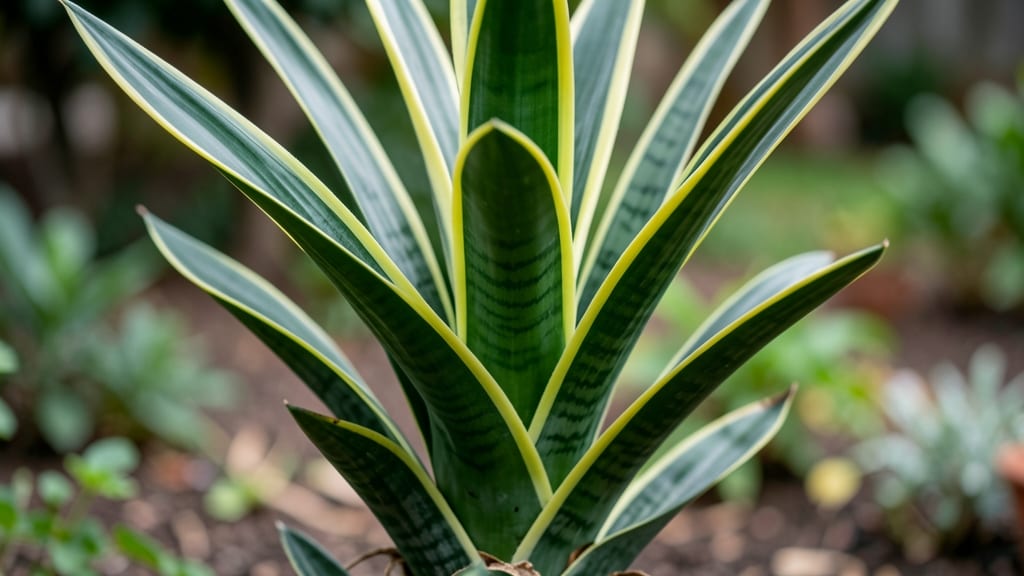
If you’ve ever glanced at your snake plant 🌱 and wondered how tall this plant can grow, the answer might surprise you. Some varieties stay modestly sized, while others can grow tall enough to become a room’s unexpected centerpiece—even indoors.
This hardy plant isn’t just about survival; it’s about potential. Whether you’re dealing with a compact Sansevieria 'Hahnii' or a towering Sansevieria trifasciata, understanding your variety’s growth habits is key to managing its height—and your space. Let’s break down what to expect and how to keep it thriving.
Growth speed plays a role too. While snake plants are famously slow-growing, some can add 6-12 inches per year under ideal conditions. Light, pot size, and even soil quality all influence how quickly—and how tall—your plant will climb.
I’ll show you how to encourage the height you want, whether that’s a low-profile statement or a vertical statement piece.
Ready to turn your snake plant into the perfect fit for your home? You’ll learn which varieties stay small, which reach for the sky, and the simple care tweaks that make all the difference. Let’s get started.


Snake plant height by variety: from compact to towering giants
Snake plants (Sansevieria trifasciata and relatives) are famous for their versatile heights, ranging from 1-foot dwarfs to 6-foot giants. The variety you choose determines both your plant's indoor space needs and its growth potential.
Some varieties grow slowly, while others shoot up quickly with the right care. Let’s explore the most popular types and their mature sizes.
For small-space gardens, Sansevieria 'Hahnii' (also called "Bird's Nest") stays compact at 1-2 feet tall but spreads wider. This low-growing variety is perfect for shelves or desks.
On the opposite end, Sansevieria 'Futura Superba' can reach up to 6 feet indoors with ideal conditions, making it a statement plant for large rooms or corners.
Here’s a quick comparison to help you visualize which varieties fit your space:
If you’re eyeing a tall snake plant like Futura Superba, know that its height depends on care. These varieties thrive in bright, indirect light and roomy pots to encourage upward growth.
Meanwhile, dwarf varieties like Hahnii are happy in smaller containers and lower-light conditions, making them ideal for beginners or tight spaces.
One common misconception is that all snake plants grow tall. In reality, some varieties—like Sansevieria 'Twist' or Sansevieria 'Black Gold'—stay shorter but wider, perfect for horizontal displays. Always check the mature height label when buying to avoid surprises.
For fastest growth, prioritize well-draining soil and infrequent watering. Overwatering stunts growth, while underwatering can cause leaves to grow taller and thinner as they stretch toward light. Balance is key!
Pro tip: If your snake plant starts to lean or bend, it’s likely reaching for light. Rotate the pot quarter-turns every few weeks to keep growth even and upright. This simple trick prevents lopsided giants and keeps your plant looking neat and healthy.
🌱
Factors that influence snake plant height growth indoors
Your snake plant’s height isn’t just about genetics—it’s heavily influenced by its growing conditions. Light exposure is the #1 factor, with bright indirect light promoting taller, more vigorous growth.
Place your plant near a north or east-facing window for optimal results, as direct sun can scorch leaves while low light stunts height potential.
Pot size also plays a critical role. Root-bound plants grow slower because their roots compete for limited space. Upgrade to a 1-2 inch larger pot every 2-3 years to encourage vertical growth.
Well-draining soil with perlite or sand prevents root rot, which can weaken the plant and limit its height potential.
Pruning habits directly impact height control. Regularly trimming brown or yellow leaves redirects energy to new growth, often resulting in taller, healthier foliage.
For compact varieties like 'Hahnii', prune more aggressively to maintain their bushy form, while tall varieties like 'Futura Superba' benefit from minimal pruning to reach their full height.
Fertilizing strategy matters too. A balanced 10-10-10 fertilizer applied every 4-6 weeks during spring and summer provides the nutrients needed for steady height growth. Avoid heavy fertilizers in winter when the plant enters dormancy—this prevents nutrient burn and supports gradual, healthy growth patterns.
Temperature fluctuations also affect height development. Consistent warmth (60-85°F) encourages steady growth, while drafts or sudden temperature drops can shock the plant and limit its vertical potential. Keep your snake plant away from AC vents or cold windows to maintain optimal growing conditions.
Finally, propagation methods influence height outcomes. Leaf cuttings rooted in water or soil often produce smaller, bushier plants, while pups (baby plants) tend to grow taller if given ample space. Choose your propagation approach based on whether you want compact or towering snake plants in your collection.