
Plants
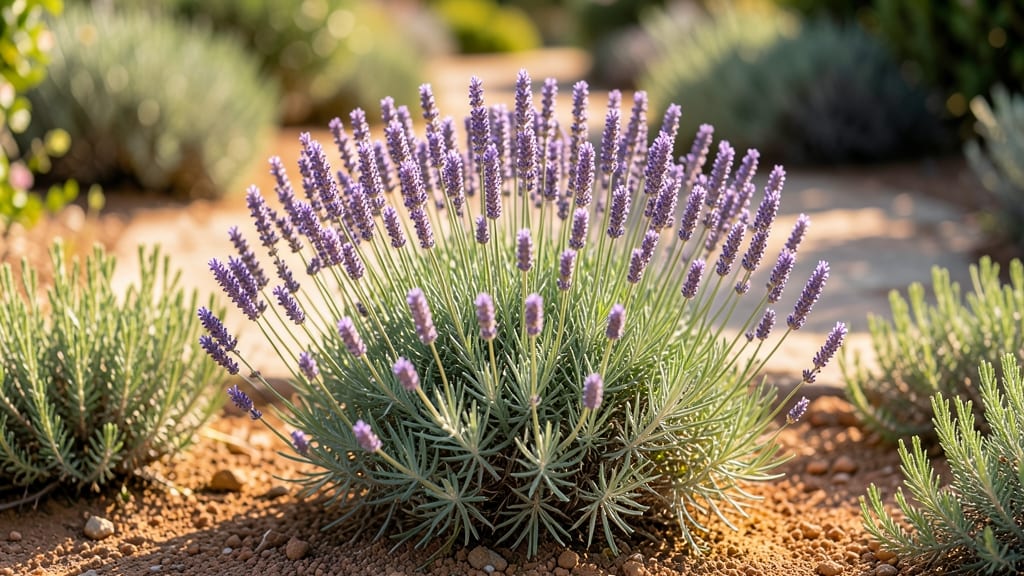
Wondering how tall a lavender plant grows before it becomes a space hog? The answer depends entirely on the variety you choose—some stay neatly under a foot, while others can reach nearly waist-high!
If you're planning a fragrant border or a low-maintenance garden, compact varieties like English lavender typically max out around 2-3 feet, making them perfect for edging or containers.
But if you're dreaming of a dramatic backdrop, taller types like Spanish lavender can stretch up to 4-5 feet with the right care.
The key to controlling height lies in pruning and soil conditions—overwatering or rich soil can make lavender leggy, while proper trimming keeps it bushy. I’ll show you exactly how to manage growth so your lavender stays at your ideal height, whether that’s a 1-foot hedge or a 4-foot statement plant.
Ready to pick the perfect lavender for your space? Let’s break down the varieties, care tips, and tricks to keep your plants thriving—no matter how tall (or short) you want them to be.


Lavender plant height by variety: compact vs. tall options
Choosing the right lavender variety isn't just about color—it's about height control. Some varieties stay under 1 foot tall, perfect for window boxes, while others reach 5 feet, making them statement plants in borders.
The key difference lies in their genetic growth habits and how you prune them. Let me break down the most popular types so you can pick the perfect fit for your space.
For small-space gardens, dwarf varieties like 'Hidcote Giant' or 'Lavandula angustifolia 'Munstead'' max out at 12-18 inches. These are ideal for container gardening or edging pathways.
Meanwhile, taller varieties like 'Provence' lavender or 'Spanish lavender' can soar up to 4-5 feet, creating dramatic vertical interest in herb gardens or pollinator-friendly borders.
Here's the game-changer: pruning habits can alter a plant's natural height by 30-50%. Unpruned lavender often grows leggy, while regular trimming keeps it bushy and compact. I'll show you how to manage this in the next section, but first, let's compare the most popular varieties side by side.
Notice how Provence lavender and 'Grosso' dominate in height, making them perfect for background planting or privacy screens. Meanwhile, dwarf varieties like 'Hidcote Giant' add color without bulk, ideal for urban gardens with limited space.
The Spanish lavender stands out with its unique rabbit-ear flowers and compact stature, perfect for rock gardens.
Your soil type also plays a role—lavender thrives in well-draining, slightly alkaline soil. In heavy clay, roots struggle to breathe, stunting growth. I've seen Provence lavender reach 5 feet in sandy soil but only 3 feet in clay. Amending your soil with sand or gravel can boost height
How to control lavender height: pruning and care tips
Pruning is the secret weapon for shaping your lavender’s height and encouraging a bushier, more fragrant plant. Most varieties thrive with light pruning—never more than one-third of the plant at a time—to avoid stressing the woody stems.
Timing matters too: prune right after flowering, typically in late summer or early fall, to prevent winter dieback.
For taller varieties like English lavender, you can trim the top growth to control height while leaving lower stems intact. Compact varieties, such as 'Hidcote' or 'Munstead,' rarely need pruning but benefit from removing spent flowers to encourage new growth.
Always use clean, sharp shears to avoid damaging the plant.
⚠️ Visual Element: Numbered Highlights ⚠️
These 5 signs signal it’s time to prune—your lavender will reward you with denser growth and stronger fragrance. Avoid pruning in spring, as new growth needs time to harden off before winter.
Soil and sunlight also play a role in height control. Poor drainage or shady spots can stunt growth, while rich, well-draining soil with full sun exposure promotes healthy, compact plants. Mulch around the base with gravel or coarse sand to improve drainage and discourage leggy growth.
If your lavender is already too tall, don’t panic. Gradual pruning over 2-3 years will bring it back to a manageable size. Start by trimming just the top 1-2 inches in the first year, then increase slightly each season.
Patience pays off—your lavender will thank you with lush, fragrant blooms year after year.
For container-grown lavender, pruning is even simpler. Just trim back one-third of the oldest stems annually to keep the plant compact and bushy. Containers dry out faster, so ensure they have drainage holes and use a lightweight potting mix to prevent root stress.