
How To
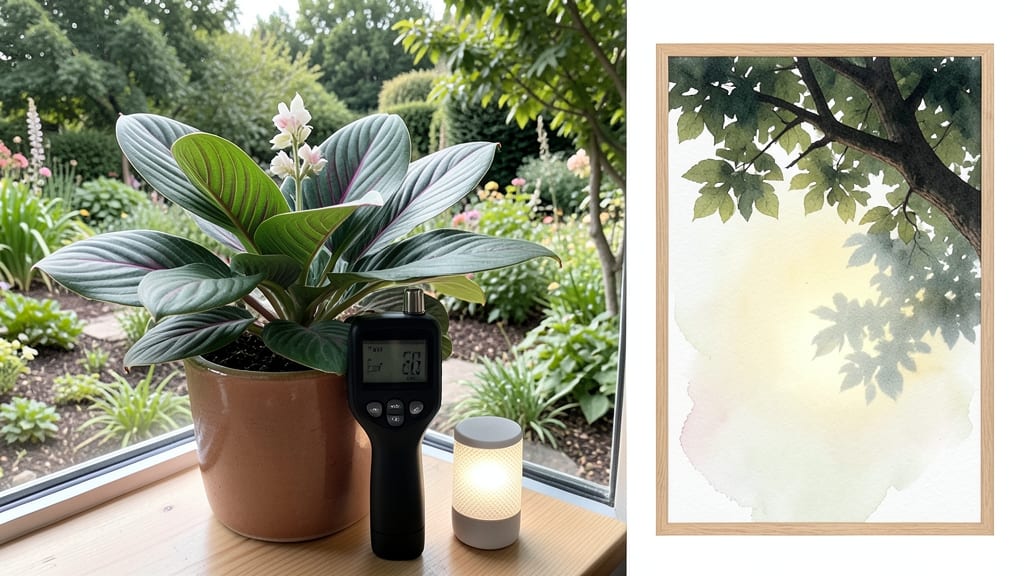
Want to know how much light does a Prayer Plant need to thrive? The right amount of light is the game-changer—too much or too little, and those stunning folded leaves will lose their charm.
This tropical beauty thrives in bright, indirect light, but most homes get it wrong without even realizing it.
If your Prayer Plant’s leaves are drooping, yellowing, or losing their vibrant patterns, light exposure is likely the culprit. The good news? With a few simple adjustments, you can create the perfect conditions for your plant to flourish.
Let’s break down exactly how much light your Prayer Plant needs to stay happy and healthy.
You don’t need a greenhouse to grow a thriving Prayer Plant—just the right balance of natural or artificial light. Whether you’re dealing with a dim corner or harsh afternoon sun, I’ll show you how to spot the signs of poor lighting and fix them fast.
Ready to bring out the best in your plant?
From ideal window placement to grow light setups, we’ll cover everything you need to know. By the end, your Prayer Plant will be standing tall, its leaves folded just right, and its colors more vibrant than ever. Let’s get started!

Ideal light requirements for prayer plant growth and leaf patterns
Your prayer plant (Maranta leuconeura) thrives in bright indirect light, mimicking its natural understory habitat. Too little light causes leggy growth, while too much leads to leaf scorch. The key is finding that golden balance where leaves stay upright and vibrant.
Think of morning sunlight as your prayer plant’s sweet spot—4-6 hours daily is ideal. This gentle light triggers the folding leaf movement you love, which happens in response to light cycles. Without enough light, those iconic prayer-like leaves won’t form properly.
The leaf coloration also changes dramatically with light. In low light, leaves develop dull green patterns, while bright indirect light enhances their striking white/red veining. This is why many growers place their plants near east-facing windows.
Direct afternoon sun (especially west or south windows) can burn leaves, causing crispy edges. If you notice brown patches, it’s a sure sign your plant is getting too much intense sunlight. Move it back 3-4 feet from the window immediately.
For optimal growth patterns, rotate your prayer plant quarter-turn weekly. This prevents one-sided growth and ensures even light exposure. The leaves’ natural movement (folding at night) is a light-dependent process—without proper light, this fascinating behavior slows down.
🌿
| Light Condition | Leaf Response | Growth Pattern | Fix Needed? |
|---|---|---|---|
| Bright Indirect (4-6 hrs) | Vibrant veining, upright leaves | Compact, healthy stems | ✅ Perfect! |
| Low Light (<3 hrs) | Dull green, pale patterns | Leggy, sparse leaves | 💡 Move closer to window |
| Direct Sun (>3 hrs) | Brown scorch marks | Stunted, crispy edges | 🌿 Filter light or relocate |
| Artificial Grow Light | Bright, even color | Uniform growth | ✅ Ideal supplement |
If your prayer plant isn’t getting enough natural light, consider a grow light with a cool white spectrum. These mimic morning sunlight and prevent overheating. Place the light 12-18 inches above the plant and use it for 12-14 hours daily to replicate day cycles.
Another pro tip: Group your prayer plant with other low-to-medium light plants like peperomias or fittonias. They’ll all benefit from the same bright indirect conditions while creating a stunning tropical display.
Remember, leaf movement is your best indicator of light success. Healthy prayer plants fold their leaves at night and unfold in the morning. If this rhythm slows, it’s time to adjust the light—your plant is trying to tell you something!
🪴
Ideal light requirements for prayer plant growth and leaf patterns
Your prayer plant (Maranta leuconeura) thrives in bright indirect light, but it’s not as simple as just placing it near a window. The key is mimicking its natural understory habitat—think dappled sunlight filtering through trees.
Too little light, and those iconic folded leaves won’t develop their striking patterns. Too much, and you’ll risk leaf burn or leggy growth.
The perfect spot delivers 4-6 hours of filtered sunlight daily, like an east-facing window where morning rays are gentle. Avoid harsh afternoon sun, which can scorch delicate foliage. Even a north-facing window works if it’s bright enough, but supplement with artificial light if leaves start pale or stretched.
| Light Condition | Ideal Setup | Leaf Response |
|---|---|---|
| Bright Indirect | East/west window, 2-3 ft away | Deep green, folded leaves |
| Low Light | North window or dim room | Pale, stretched growth |
| Direct Sun | South window or afternoon sun | Brown scorch marks |
Light affects more than just leaf color—it triggers the nocturnal folding that gives this plant its name. In low light, leaves stay flat, while bright indirect light enhances the dramatic upward prayer position at night.
For best results, rotate your plant quarter-turn weekly to prevent lopsided growth toward the light source.
If your prayer plant’s leaves lose their distinct variegation, it’s a red flag. Move it closer to a brighter window or add a grow light 6-12 inches above for 10-12 hours daily. Just avoid LED bulbs over 4000K—they emit too much blue light, which can stress the plant.
Pro tip: Use a light meter app to check intensity. Aim for 1000-2000 lux—about the brightness of a well-lit office. If your space is consistently dim (like a basement), supplement with a full-spectrum LED grow light on a timer for consistent growth.
Remember, prayer plants are flexible adaptors. With the right light balance, you’ll see those velvety leaves develop their signature patterns and stay vibrant year-round. Start with bright indirect light, then adjust based on your plant’s responses.