
Plants
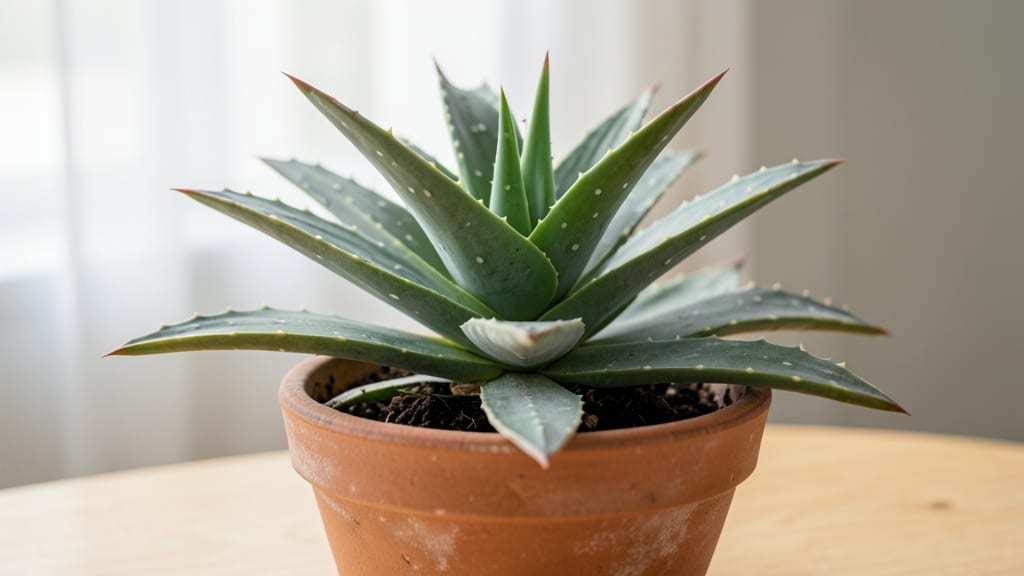
Aloe plant light requirements: the ideal 4-6 hours of sun daily
Aloe plants thrive under bright, direct sunlight for 4-6 hours daily. As a succulent, aloe has evolved to store water in its leaves, making it adapted to arid, sunny conditions. However, this doesn’t mean it can handle scorching heat—balance is key.
Too little light causes leggy, weak growth, while too much can scorch its leaves. Understanding this balance is the first step to keeping your aloe healthy and vibrant.
Outdoors, aloe plants love full sun exposure, especially in USDA zones 8-11. If you're in a cooler climate (zones 6-7), opt for morning sun and afternoon shade to prevent sunburn.
The goal is to mimic its natural habitat in dry, sunny regions of Africa and the Arabian Peninsula, where it grows wild in rocky, sun-drenched landscapes.
The ideal light spectrum for aloe includes full-spectrum sunlight, particularly the blue and red wavelengths that drive photosynthesis. Without enough light, aloe leaves may stretch toward the sun (etiolation) or develop pale, weak foliage.
Conversely, intense midday sun in hot climates can cause brown, crispy leaf tips—a sign of sunburn.
Here’s a quick breakdown of aloe’s light needs to help you visualize the perfect setup:
| Condition | Specification | Effect on Aloe |
|---|---|---|
| Sunlight Duration | 4-6 hours daily | Optimal growth, thick leaves |
| Direct Sunlight | Morning sun (6 AM-12 PM) | Prevents sunburn, encourages photosynthesis |
| Afternoon Shade | 3-4 hours (12 PM-4 PM) | Protects from intense heat, reduces stress |
| Indoor Light | South-facing window (6+ ft away) | Bright indirect light, avoids fading |
| Low Light | <4 hours/day | Leggy growth, weak stems, pale leaves |
| Excessive Sun | Direct midday sun (12-3 PM) | Brown tips, crispy edges, sunburn |
Seasonal adjustments are crucial. In summer, when sunlight is most intense, provide partial shade during peak hours (12 PM–3 PM). In winter, aloe can tolerate more direct light since days are shorter and sunlight is less harsh.
If you notice yellowing leaves in winter, it might be a sign of overwatering rather than insufficient light.
For indoor aloe plants, a south-facing window is ideal because it receives the most bright, indirect light. If your home lacks natural light, supplement with a grow light (LED or fluorescent) placed 6-12 inches above the plant for 12-14 hours daily.
Avoid placing aloe near west-facing windows, where afternoon sun can be too intense without shade.
Pro tip: Rotate your aloe plant quarter-turns every 2-3 weeks to ensure even light exposure on all sides. This prevents one side from becoming lopsided or stretched toward the light source. Think of it like giving your aloe a sunbath—balanced and consistent!
If you're unsure whether your aloe is getting enough light, observe its growth patterns. Healthy aloe leaves should be thick, upright, and vibrant green.
If you see red or purple hues on the leaves, it’s a sign the plant is stretching toward light—a clear indicator it needs more brightness.
Remember, aloe plants are forgiving but not indestructible. While they tolerate a range of light conditions, consistency is key. Gradually acclimate your aloe to new light conditions (e.g., moving it outdoors in spring) to avoid shock. Sudden changes can lead to
How to adjust light for indoor vs. outdoor aloe plants
Aloe plants thrive in bright, indirect light, but their needs shift dramatically between indoor and outdoor environments. Indoors, they crave south-facing windows where they can bask in 4-6 hours of sunlight daily, while outdoors, they soak up full sun exposure for 6-8 hours without wilting.
The key is understanding how to replicate these conditions in any setting—whether you're balancing a sunroom setup or troubleshooting a leggy indoor plant.
Indoor aloe plants often struggle because most homes don’t get enough natural light.
If your aloe is stretching toward the window or developing pale, weak leaves, it’s begging for more brightness. Grow lights (like LED full-spectrum bulbs) are a game-changer here—just position them 6-12 inches above the plant for 12-14 hours daily to mimic sunlight.
For outdoor aloe, the challenge is often too much sun, especially in scorching climates where leaves can develop brown, crispy edges from sunburn.
🌵 Pro Tip: Rotate your aloe plant quarter-turns weekly to ensure even growth. Indoors, this prevents lopsided stretching toward the light source, while outdoors, it helps all leaves get equal sun exposure, reducing the risk of uneven sun damage.
Indoor Aloe Light Solutions
- South-facing windows provide natural brightness
- Grow lights offer consistent light cycles year-round
- Easier to control light intensity for delicate leaves
- Natural light may be too weak in winter months
- Grow lights require electricity and setup
- Overhead lights can cause uneven growth if not rotated
Outdoor Aloe Light Solutions
- Full sun exposure boosts growth and leaf thickness
- No need for artificial lighting
- Natural temperature regulation reduces stress
- Risk of sunburn in intense afternoon sun
- Pests like aphids or mealybugs thrive in outdoor conditions
- Temperature swings can cause root stress
For indoor aloe plants, place them within 3 feet of a south-facing window during winter when sunlight is weaker. If your space lacks natural light, invest in a full-spectrum LED grow light—these mimic sunlight’s spectrum and prevent the stretchy, leggy growth that signals light deprivation.
I’ve had success with 15-watt LED bulbs placed 8 inches above my aloe, keeping it compact and vibrant.
Outdoor aloe plants, on the other hand, need morning sun and afternoon shade in hot climates. If you notice brown patches or dried edges, move your plant to a spot with dappled sunlight or provide light shade cloth during peak hours (11 AM–3 PM).
Mulching around the base with pebbles or gravel also helps reflect light and reduce heat stress on the roots.
💡 Quick Fix: If your aloe is showing signs of light stress, adjust its position immediately. For indoor plants, rotate the pot weekly and supplement with a grow light. Outdoors, use shade cloth or partial shade structures to protect delicate leaves during summer’s harshest days.