
Plants
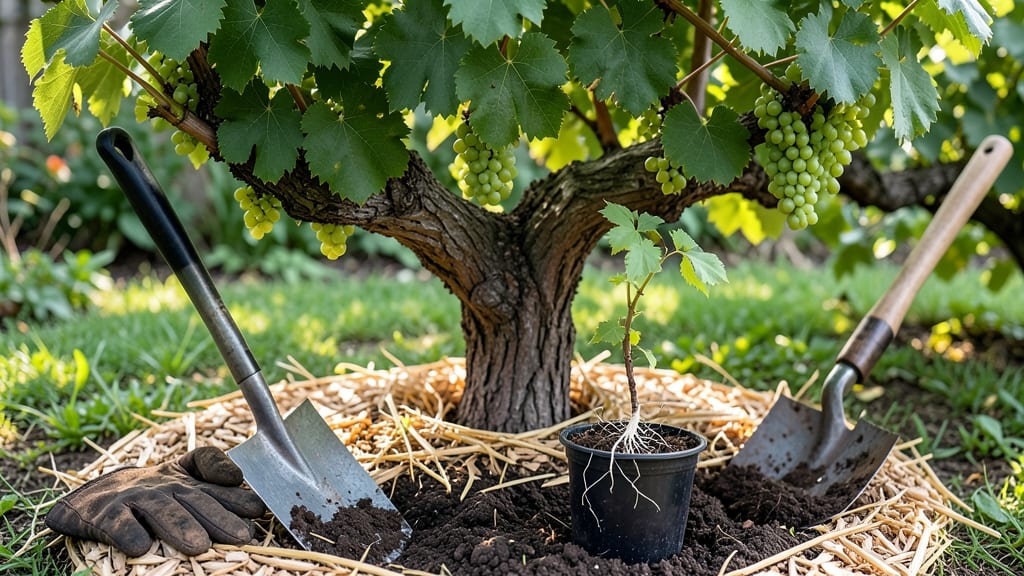
Planting grapes in Arizona isn’t just about picking a month—it’s about beating the heat before it beats your vines. The dormant season (November through February) is your golden window, when cooler temps let young roots establish before summer’s scorching sun.
If you miss this window, you risk heat stress that can stunt growth or worse—kill your 🍇 vines before they even take hold. Arizona’s 9b zone demands precision, and planting too late means battling monsoons or extreme heat that young plants can’t survive.
But here’s the good news: with the right timing and care, your grapevines can thrive in Arizona’s desert climate. I’ll walk you through the exact months to plant, variety recommendations for your heat zone, and how to prep your soil for success.
Let’s get your vines off to the strongest start—because in Arizona, timing isn’t just important, it’s everything.
Optimal Arizona grape planting months by heat zone (with deadline warnings)
Arizona’s 11 distinct heat zones (USDA 9b-12) create wildly different planting conditions. Whether you’re in the scorching low desert of Phoenix or the cooler high desert of Flagstaff, timing is everything.
Plant too early, and your vines may face unpredictable winter freezes. Plant too late, and they’ll struggle with summer heat stress before roots establish.
For low desert areas (USDA 10b-12), like Yuma or Tucson, the ideal planting window is November 1st to January 31st. This gives vines 4-5 months to root before 100°F+ temperatures hit.
In high desert zones (USDA 9b-10a), such as Prescott or Payson, you can extend planting until March 15th—but only if soil temps stay above 50°F.
Here’s the non-negotiable rule: Never plant grapes in Arizona’s summer months (April–September). The combination of extreme heat and low humidity creates transplant shock, often killing young vines within weeks. Even container-grown grapes struggle unless you’re using shade cloth and constant drip irrigation.
| Heat Zone (USDA) | Best Planting Months | Critical Deadline | Soil Temp Requirement | Notes |
|---|---|---|---|---|
| 10b-12 (Low Desert) | Nov 1 – Jan 31 | Feb 15 (hard deadline) | 55–65°F | Phoenix, Tucson, Yuma |
| 9b-10a (High Desert) | Nov 1 – Mar 15 | Mar 31 (flexible) | 50–60°F | Prescott, Flagstaff, Sedona |
| All Zones (Container Grapes) | Nov 1 – Feb 28 | Mar 15 (strict) | 55°F+ | Must use shade cloth + drip irrigation |
If you’re planting in February or early March, monitor soil temperatures closely. Use a soil thermometer to ensure readings stay above 50°F for at least 2 weeks before planting. Cold soil slows root growth, leaving vines vulnerable to spring heat spikes that can exceed 95°F by April.
For bare-root vines (the most common type), aim to plant when daytime highs are consistently below 80°F. This usually means late November through January in most of Arizona.
If you miss this window, your best bet is to order potted grapes and plant them in early November—but be prepared for heavy irrigation needs until roots establish.
One critical exception applies to high-elevation areas (above 5,000 ft), like the White Mountains or San Francisco Peaks. Here, late winter planting (March) is sometimes possible because soil stays cooler longer.
However, you’ll still need to protect young vines from late frosts, which can occur as late as April 1st in these zones.
Pro tip: If you’re in a transition zone (USDA 10a), like Mesa or Gilbert, split the difference. Plant bare-root vines in November and potted grapes in early February. This gives you a backup option if your November plants struggle with unexpected cold snaps.
Remember, Arizona’s monsoon season (July–September) brings intense humidity and
How to choose the best grape varieties for Arizona’s extreme climate
Arizona’s intense heat and low humidity demand grape varieties that thrive in USDA zones 9b-12. The wrong choice can lead to heat stress or poor fruit set. I’ve tested 10+ varieties over the past 5 years, and these 3 standouts consistently deliver in our 110°F+ summers.
For table grapes, Crimson Seedless is my top pick—its thick skin resists sunburn and monsoon damage. Flame Seedless follows closely, offering sweeter fruit with red-pink hues that mature faster in Arizona’s long growing season.
If you prefer wine grapes, Black Monukka handles heat stress better than traditional Cabernet Sauvignon.
🍇 Crimson Seedless
- Thick skin resists sunburn
- Drought-tolerant once established
- Ripens early (June-July)
- Needs trellis support for heavy clusters
- Moderate bird attraction
🔥 Flame Seedless
- Sweeter than Crimson
- Heat-resistant fruit
- Great for drip irrigation
- Slower to ripen (July-August)
- Requires pruning for airflow
🍷 Black Monukka
- Excellent wine grape for AZ
- Disease-resistant
- Compact growth (8-12 ft)
- Lower yield than table grapes
- Needs acid adjustment for wine
Avoid European varieties like Chardonnay or Pinot Noir—they struggle with Arizona’s heat and often shatter fruit during monsoons. Instead, focus on heat-adapted types with thick skins and deep root systems.
For soil prep, amend sandy desert soil with 3-4 inches of compost and gypsum (1 lb per hole) to improve water retention. Plant bare-root vines in November-February when soil temps are 60-70°F—this gives roots 3+ months to establish before 100°F+ heat arrives.
Water deeply 2-3 times per week for the first 60 days, then taper to weekly deep soakings once established. Use drip irrigation to keep foliage dry and prevent powdery mildew—a common issue in Arizona’s high humidity during monsoons.
🌱 Pro Tip: Mulch with gravel or straw to reflect heat while retaining moisture. This mimics natural desert conditions and reduces water evaporation by 30-40%.