
Planting
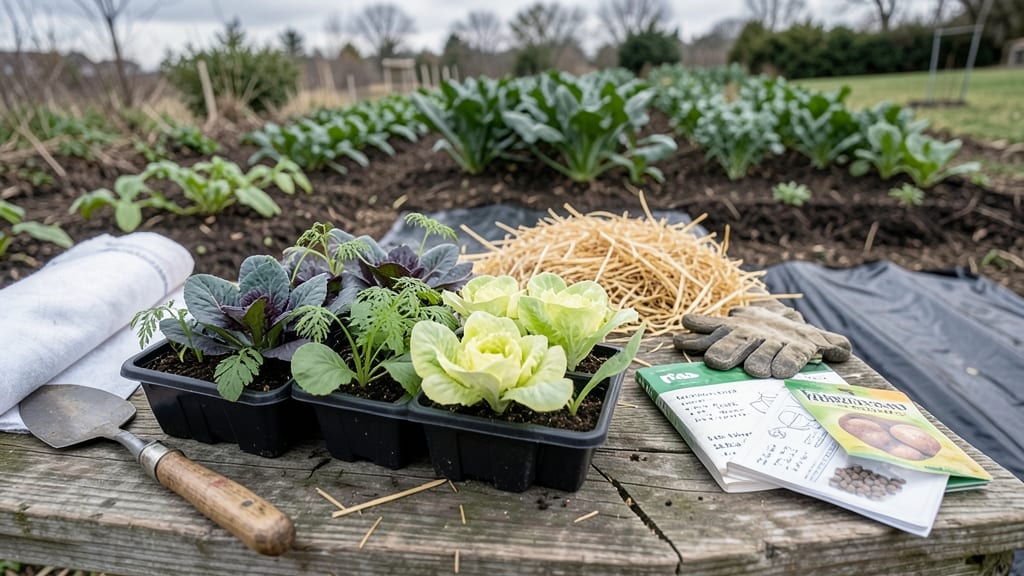
Planting your garden in Maine at the wrong time can mean the difference between a thriving harvest and a sad, frost-nibbled disappointment. With USDA zones 3–6 and unpredictable spring weather, timing is everything—and getting it wrong is one of the most common mistakes gardeners make.
Most gardeners wait until Memorial Day to plant warm-season crops like tomatoes and peppers, but that’s often too late for Northern Maine. Meanwhile, cool-season crops like kale and peas can handle early planting, but you’ll need to know the exact window to avoid losing your investment to late frosts.
The key is understanding your local frost dates and soil temperatures.
In this guide, I’ll break down the best planting times for vegetables, flowers, and perennials in Maine, so you can avoid those costly mistakes. Whether you’re a first-time gardener or a seasoned pro, these insights will help you make the most of your short growing season.
Ready to grow a garden that actually thrives? Let’s dive into the exact timing and strategies that work for Maine’s climate—no guesswork required.
Maine’s planting zones & best months for vegetables, flowers, and herbs
Maine’s cool climate and short growing season demand precision when planting. Most of the state falls under USDA Zones 5-6, where last frost dates range from mid-May in southern areas to early June in northern regions.
Getting these dates wrong can mean the difference between a thriving garden and wasted seeds.
I’ve learned the hard way—planting tomatoes too early in my Zone 5 garden last year resulted in frost-nipped leaves just as they were flowering. The key is aligning your planting schedule with Maine’s frost-free window, which averages 120-150 days in most areas.
For cool-season crops like kale, peas, and spinach, you can start seeds indoors 4-6 weeks before your last frost date. These hardy plants tolerate light frosts and can even thrive in spring’s chilly soil.
In contrast, warm-season favorites like peppers, eggplants, and basil need to wait until after Memorial Day when soil temperatures consistently stay above 60°F.
Perennials like asparagus and lavender have their own timing—plant crowns in early spring or early fall to give roots time to establish before winter. My Zone 6 lavender struggled for years until I planted it in September instead of spring.
Here’s the golden rule for Maine gardeners: Check local frost dates (your county extension office has exact data), then adjust by 2-3 weeks for safety. Southern Maine’s warmer microclimates near the coast may allow earlier planting, while inland areas should err on the side of caution.
| Plant Type | Best Planting Time | Notes |
|---|---|---|
| Cool-Season Veggies | 4-6 weeks before last frost | Kale, peas, spinach, lettuce |
| Warm-Season Veggies | After Memorial Day (soil 60°F+) | Tomatoes, peppers, basil |
| Perennials | Early spring or early fall | Asparagus, lavender, rhubarb |
| Flowers | After last frost (May-June) | Marigolds, zinnias, sunflowers |
| Herbs | Late spring (after frost risk) | Basil, cilantro, dill |
Northern Maine (Zone 4-5) has an even shorter season, so I recommend starting warm-season crops indoors in March for a head start. My neighbor in Presque Isle swears by this method—her tomato plants get a 4-week advantage over direct-sown seeds.
Don’t forget about succession planting! In Maine’s brief season, you can squeeze in 2-3 harvests of lettuce or bush beans by planting new seeds every 2-3 weeks after the first frost date. I’ve doubled my harvest this way—just be sure to mark your planting dates in a garden journal.
For flowers, aim for May-June planting after the last frost. Annuals like zinnias and marigolds bloom all summer, while perennials like coneflowers establish roots for next year. My Zone 5 garden gets nonstop color from these late-spring plantings.
Pro tip: Use row covers or cold frames to push your planting window earlier. I’ve successfully grown spinach in April by covering it with floating row fabric—just remove it when temps rise above 70°F to avoid overheating.
🌱
4 Critical planting mistakes Maine gardeners make (and how to fix them)
Maine’s short growing season means every planting decision counts. I’ve seen gardeners lose weeks—or even entire crops—by making these 4 common mistakes. The good news? Fixing them is easier than you think. Let’s tackle the biggest pitfalls first.
First, many gardeners rush to plant warm-season crops like tomatoes and peppers before Memorial Day. These plants need consistent soil temperatures above 60°F to thrive. Planting too early forces them to struggle, stunting growth and delaying harvests.
I’ve had tomato plants wilt overnight after a surprise frost in early June—heartbreaking after all that effort!
Another frequent error is ignoring soil temperature entirely. A soil thermometer is your best friend in Maine. Cool-season crops like kale and peas can handle chilly soil, but warm-season veggies (like cucumbers) need warmer conditions.
If your soil is still below 50°F, wait it out—patience here means stronger plants later.
Skipping succession planting is another mistake that shrinks harvests. Instead of planting all your bush beans at once, stagger them every 2 weeks for a continuous supply.
I once planted a single row of beans and was overwhelmed with a glut in July—only to have nothing left by August. Succession planting ensures you enjoy fresh produce all season long.
Finally, many gardeners forget that perennials (like asparagus and lavender) have their own timing rules. Planting them too late in the season can leave them vulnerable to winter kill.
For perennials, aim to get them in the ground at least 6 weeks before the first hard frost—usually by mid-to-late August in Maine.
⚠️ Critical Warning: Don’t Plant These Before Memorial Day!
Tomatoes, peppers, and eggplants are frost-sensitive and need warm soil (60°F+). Planting them too early stresses the plants and delays fruit production. Wait until after the last frost date (typically late May to early June in Maine) and use row covers for extra protection if needed.
Fix: Test soil temperature with a thermometer. If it’s below 60°F, hold off and start seeds indoors instead.
To avoid these mistakes, I recommend marking your last frost date on your calendar (use May 25–June 10 as a guideline for most of Maine). For cool-season crops, plant 4–6 weeks before the last frost, while warm-season crops should wait until 2 weeks after.
And always keep an eye on weather forecasts—Maine’s spring can flip from sunny to snowy in a day!
Pro tip: Use frost-sensitive plants like basil or marigolds as early warning systems. If they survive a night, your tomatoes are likely safe too. With these fixes, your garden will thrive instead of just surviving. Happy planting! 🌱