
Plants
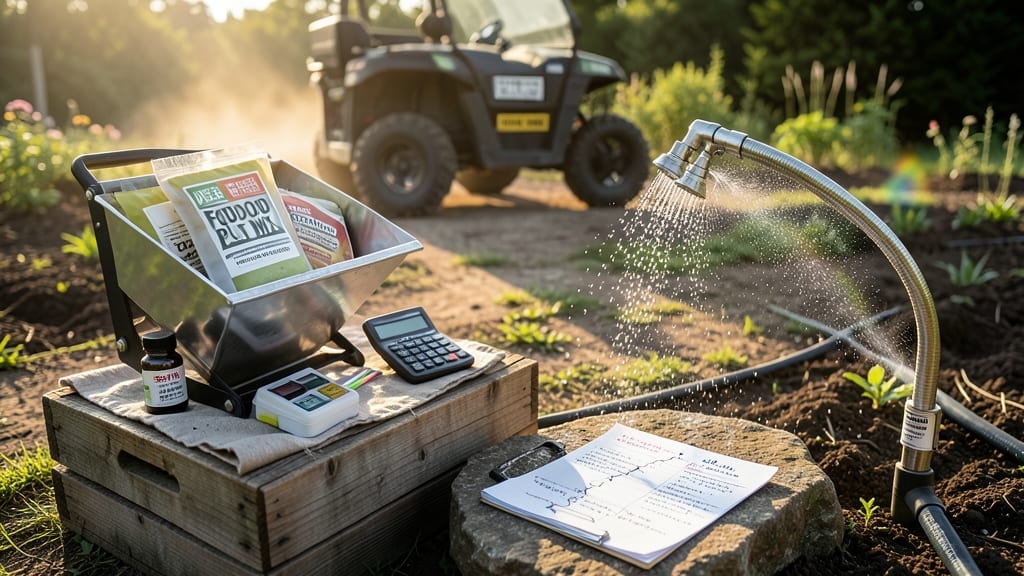
If you're serious about whitetail hunting in Georgia, planting food plots at the wrong time could mean wasted seeds, stunted growth, or—worse—deer that never even notice your plot.
The difference between a thriving 🌱 food plot and a failed experiment often comes down to timing, and Georgia’s varied climate zones (7a-9a) add another layer of complexity.
Most hunters assume spring is the only window, but fall planting can actually give you a head start on the rut. I’ve seen plots in North Georgia fail because they were planted too early, while others in the Coastal Plain thrived with late-summer sowing.
The key? Understanding your local frost dates, soil temperatures, and which crops—like clover or brassicas—perform best in each season.
In this guide, I’ll break down the exact planting windows for Georgia’s two critical seasons, plus the 5 mistakes that derail even the best-laid plans. Whether you’re a first-timer or a veteran hunter tweaking your strategy, these timing tricks will help you turn your property into a deer destination year-round.
Ready to stop guessing and start growing? Let’s dive into the science—and the simple adjustments—that make all the difference in Georgia’s unpredictable climate.
Georgia’s ideal food plot planting windows by season (with exact months)
Georgia’s diverse climate zones—from the Appalachian Mountains to the Coastal Plain—mean planting windows vary by 1-2 months. Cool-season plots (like clover and brassicas) thrive in spring and fall, while warm-season crops (such as sorghum) need summer heat.
Timing isn’t just about months; it’s about soil temps, frost dates, and rainfall patterns.
In North Georgia (USDA Zones 7a-7b), where frosts linger until mid-April, cool-season plots should go in February-March for peak fall forage. Meanwhile, South Georgia (Zones 8a-9a) can plant 2 weeks earlier due to milder winters.
Warm-season crops like sunflower or soybeans must wait until soil temps hit 65°F+, typically late April-early May.
Miss the window? Don’t panic. Staggered planting (e.g., August brassicas for fall/winter) can extend deer appeal. But rushing cool-season crops in late March risks frost damage, while planting warm-season plots after June may yield poor growth before hunting season.
🌱
Georgia Food Plot Planting Guide by Season
| Season | Planting Window (GA Regions) | Best Crops | Soil Temp Requirement | Key Deadline |
|---|---|---|---|---|
| Cool-Season (Spring) | North GA: Feb 15–March 15 South GA: Jan 30–March 1 |
Clover, Rye, Brassicas, Turnips | 50–60°F | Before last frost (Mid-April) |
| Cool-Season (Fall) | North GA: Aug 1–Sept 15 South GA: July 15–Aug 30 |
Brassicas, Winter Rye, Annual Clover | 55–65°F | 6 weeks before first frost (Mid-Nov) |
| Warm-Season (Spring) | North GA: April 15–May 15 South GA: March 30–April 30 |
Sorghum, Sunflower, Soybeans | 65°F+ | Before summer drought (June) |
| Warm-Season (Fall) | North GA: June 1–July 15 South GA: May 15–June 30 |
Sorghum-Sudangrass, Millet | 70°F+ | Before first frost (Nov) |
Pro Tip: Use a soil thermometer—cool-season crops fail if planted when soil is below 50°F.
For North Georgia, prioritize late February planting of clover mixes—this gives them time to establish before summer heat. In South Georgia, January is ideal for brassicas like turnips, which bolt (go to seed) faster in warmer climates.
Always check local frost dates via the Georgia Climate Project or NOAA for year-specific adjustments.
Warm-season plots in June-July (like sorghum-sudangrass) provide summer forage when natural browse is scarce. But avoid planting after August—late-season growth won’t mature before frost. Staggered rows (planting in 2-week intervals) can extend the deer-attracting window by 4-6 weeks.
🌿
Don’t overlook microclimates. A south-facing slope warms 2-3 weeks earlier than a north-facing valley. Use this to your advantage: plant cool-season crops on slopes 2 weeks earlier than flat areas.
Similarly, low-lying areas may need later planting to avoid waterlogging. Test soil pH (aim for 6.0-7.0) and amend with lime or sulfur before planting—acidic soil stunts growth.
💧
Remember: Deer
5 Critical mistakes that ruin food plot timing (and how to avoid them)
Planting food plots in Georgia isn’t just about dropping seeds in the dirt—timing is everything. One wrong move, and your whitetail magnet could become a deer-free zone. I’ve seen hunters waste months of effort because they ignored these common timing mistakes. Let’s fix that.
First, planting cool-season crops like clover too early is a recipe for failure. Georgia’s last frost dates vary by region—North Georgia averages mid-March, while South Georgia pushes to early April. Planting clover before soil temps hit 60°F stalls germination and invites disease.
❌ Mistake: Planting clover or brassicas before soil reaches 60°F or before last frost.
🔹 Why it fails: Seeds rot in cold, wet soil; weak seedlings attract pests.
✅ Fix: Use a soil thermometer—wait until temps stay above 60°F for 5+ days. Check NOAA frost maps for your county.
Second, many hunters overlook warm-season crops like sorghum or millet. Planting these too late—after July 15th—means they’ll bolt before the rut in November. These crops need 90+ days to mature, so aim for late May to early June in North Georgia.
❌ Mistake: Sowing sorghum after July 15th for a November rut.
🔹 Why it fails: Plants mature too slowly; deer won’t have peak forage during hunting season.
✅ Fix: Plant early-maturing varieties (e.g., Britecorn) by June 1st in North GA or July 1st in South GA.
Third, ignoring moisture levels during planting is a silent killer. Dry soil crusts over seeds, preventing germination. Always plant after a 1-inch rain or water deeply post-planting. A rain gauge is your best friend here—aim for 1-1.5 inches of rain weekly during establishment.
Fourth, skipping soil testing leads to pH disasters. Georgia’s native soils often sit at 5.0-5.5 pH, but clover thrives at 6.0-7.0. A simple $20 soil test reveals whether you need lime (to raise pH) or sulfur (to lower pH). Apply amendments 4-6 weeks before planting.
Finally, overlooking microclimates on your property can ruin timing. A south-facing slope warms faster than a north-facing bottomland. Plant cool-season crops on slopes 2 weeks earlier and warm-season crops on low spots 2 weeks later to sync growth across your property.