
Flowers
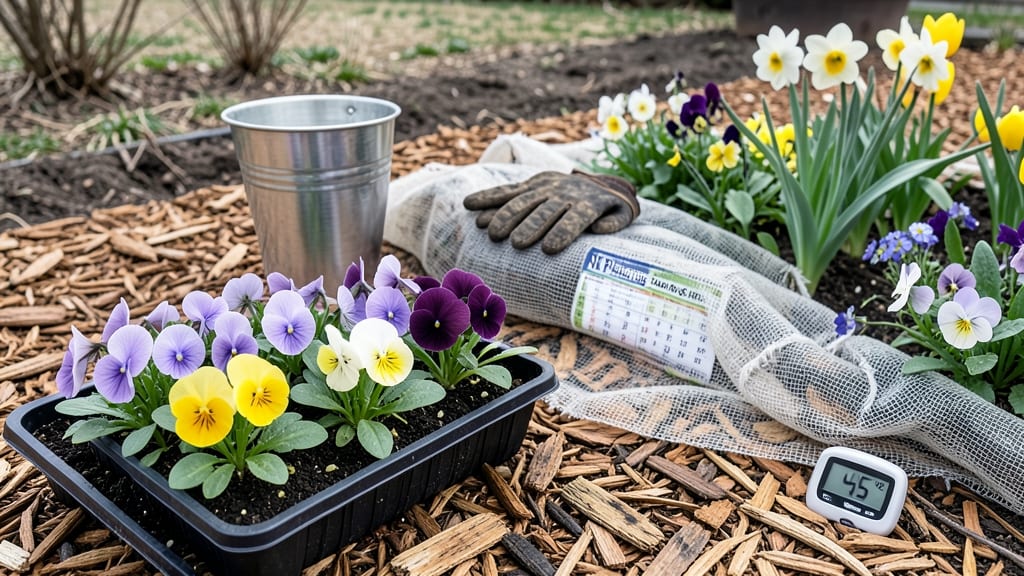
Timing your Flowers 🌸 planting in New Jersey isn’t just about following a calendar—it’s about beating frost, avoiding heat stress, and making the most of the state’s 6a-7b growing season.
If you plant too early, a late frost could wipe out your hard work. Too late, and you’ll miss out on vibrant blooms all summer. I’ve spent years testing the perfect windows, and the secrets to success in NJ’s climate are simpler than you might think.
From cool-loving annuals like pansies to heat-tolerant marigolds, I’ll break down exactly when to plant each type—plus how to adjust for coastal breezes or inland heat. No more guessing games, just zero-frost success every time.
Ready to transform your garden? Let’s dive into the exact planting deadlines that’ll give you longer bloom seasons with less stress—whether you’re in Jersey City or the Pine Barrens.
New Jersey planting zones: when to plant flowers by last frost dates
New Jersey spans USDA hardiness zones 6a-7b, meaning our last frost dates vary dramatically—from early April in the north to mid-May in the south. This variation forces gardeners to adjust planting schedules by 2-3 weeks depending on their location.
For example, Bergen County (Zone 6b) may see frost until April 15, while Cape May (Zone 7a) often waits until May 1.
Understanding your microclimate is critical. Coastal areas like Atlantic City enjoy milder winters, while inland regions like Morristown face harsher conditions. Even a 5-mile difference can shift frost dates by 7-10 days.
Use the USDA Interactive Plant Hardiness Map to pinpoint your exact zone—this determines whether you’re planting annuals (which thrive in warm soil) or perennials (which need time to establish roots before winter).
| Region | USDA Zone | Avg. Last Frost | Plant Perennials | Plant Annuals |
|---|---|---|---|---|
| Northern NJ (e.g., Sussex, Passaic) | 6a-6b | April 1-15 | After April 15 | May 15-June 1 |
| Central NJ (e.g., Trenton, Newark) | 6b-7a | April 15-May 1 | After April 30 | May 1-June 15 |
| Southern NJ (e.g., Atlantic City, Cape May) | 7a-7b | May 1-15 | After May 1 | May 15-June 30 |
For annual flowers, wait until the soil reaches 60°F—a critical threshold for seed germination.
Use a soil thermometer to check; most garden centers sell them for under $10. Perennials, however, can handle cooler soil and should be planted 2-4 weeks before your last frost date to give roots time to establish before summer heat arrives.
Pro tip: Test your soil in early spring. NJ’s clay-heavy soil often needs compost or sand to improve drainage. Amend beds with 2-3 inches of compost and a balanced fertilizer (10-10-10) before planting. This ensures your flowers aren’t competing with poor soil for nutrients once they sprout.
Don’t overlook fall planting—it’s just as important as spring. Cool-season flowers like pansies and snapdragons thrive when planted 8-10 weeks before the first frost (typically September 1-October 15). These hardy varieties often bloom until December, adding color to your garden when many other plants have gone dormant.
If you’re unsure about your local frost dates, check the National Weather Service’s climate archives or ask your local Cooperative Extension office. They provide hyperlocal data that can save your plants from unexpected frost.
For example, Mountain regions (e.g., High Point) may experience frost 2 weeks later than nearby valleys due to temperature inversion.
Remember: Microclimates matter. A south-facing wall can create a 5°F warmer zone than the rest of your yard, while a low-lying area may frost over 2 weeks earlier. Observe your garden’s behavior for 3 years to spot patterns—this is how veteran NJ gardeners fine-tune their planting schedules.
For container gardening, adjust timelines slightly. Pots warm up faster than soil, so you can plant 1-2 weeks earlier than in-ground flowers. However, containers also dry out quicker, so monitor moisture closely during spring’s unpredictable rains.
Finally, keep a gardening journal. Note when you plant, when flowers bloom, and any unexpected frosts. Over time, you’ll build a custom planting calendar tailored to your NJ microclimate—no more guessing!
Best flowers to plant in New Jersey by season: cool vs. warm-season timing
New Jersey’s 6a-7b climate lets you grow stunning flowers year-round, but the key is matching each variety to its ideal planting window. Cool-season bloomers like pansies and dianthus thrive in early spring or fall, while heat-loving marigolds and sunflowers need warmer soil temperatures.
Let’s break down the best flowers for each season and when to plant them for maximum blooms.
For spring planting, focus on frost-tolerant annuals and perennials that can handle late frosts. Start seeds indoors 6-8 weeks before your last frost date (typically mid-March to early April in most of NJ).
Hardy varieties like snapdragons and lupines can even go straight into the ground in March if you’re in southern NJ (zone 7b).
🌱
- Early Spring (March)
- Late Spring (April–May)
- Summer (June–July)
- Early Fall (September)
Don’t overlook perennials, which establish roots in spring but reward you with years of blooms. Coneflowers and bee balm, for example, thrive when planted in April or May—just give them full sun and well-draining soil.
If you’re in coastal NJ, where winters are milder, you can push the envelope with tender perennials like lavender or rosemary.
For fall planting, prioritize frost-hardy annuals like pansies and sweet alyssum. These can handle light frosts and even bloom through winter in zone 7b. Plant them by September 15 to give roots time to establish before the ground freezes. Mulch heavily to insulate roots and prevent heaving.
Pro tip: Use succession planting to keep your garden blooming all season. For example, sow fast-growing radishes in early spring, then replace them with marigolds after the last frost. This trick works for vegetables too, but flowers like cosmos self-seed readily, so you’ll get free blooms next year!
🌻