
Trees
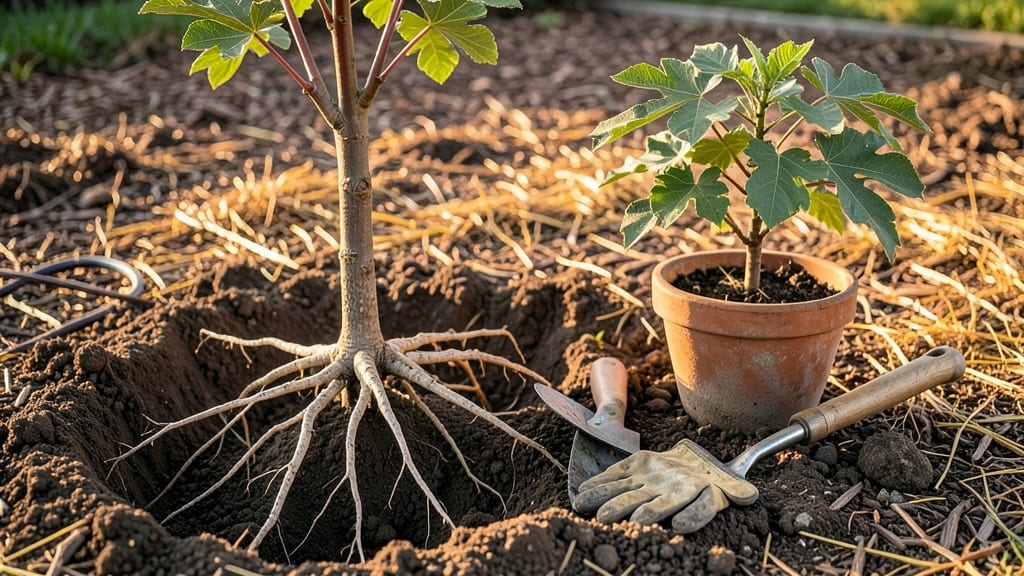
Planting a fig tree 🍈 in Georgia can feel like a gamble—get the timing wrong, and you might end up with frost-nipped saplings or stunted growth. But here’s the good news: Georgia’s mild winters and long growing season actually give you two prime windows to plant for maximum success.
Most gardeners swear by early spring planting, right after the last frost date (usually around March 15), when soil temperatures rise and roots can establish before summer’s heat kicks in. But fall planting in September or October also works beautifully, giving young trees time to settle before winter dormancy.
Whether you’re planting in-ground or containers, the key is avoiding Georgia’s occasional late frosts and heatwaves. I’ll break down the exact months to plant based on your region—Coastal Plain, Piedmont, or mountains—and share pro tips to ensure your fig tree thrives from day one.
Ready to grow a fruit-bearing tree that’ll reward you with harvests from June to October? Let’s dive into the best planting strategies tailored just for Georgia’s climate.
Best months to plant fig trees in Georgia by variety
Georgia’s USDA zones 7b-8b create perfect conditions for fig trees, but timing matters. The ideal planting window spans March-April or September-October, aligning with frost-free periods and soil warmth.
Let’s break down the best months for popular varieties like Brown Turkey, Celeste, and Chicago Hardy, plus how Georgia’s microclimates influence your schedule.
For coastal Georgia (warmer, longer growing season), you can plant as early as mid-February if frost risk is minimal. In Piedmont regions, wait until late March to avoid late frosts.
Mountain areas (like Northwest Georgia) should aim for April 15 or later—figs are frost-sensitive even as established trees.
Fall planting (September-October) is ideal for root establishment before winter. Choose hardy varieties like Chicago Hardy for colder zones (7b) or Celeste for heat tolerance in 8b areas. Avoid planting after October 15—roots need 6-8 weeks to harden before Georgia’s first frost.
🌱
| Variety | Best Planting Months | Notes for Georgia |
|---|---|---|
| Brown Turkey | March-April or Sept-Oct | Classic variety; needs well-drained soil. Avoid waterlogged Piedmont sites. |
| Celeste | April-May or Sept | Heat-tolerant; thrives in coastal Georgia’s humidity. Plant after last frost. |
| Chicago Hardy | April or Sept-Oct | Cold-hardy; best for Piedmont’s cooler nights. Mulch heavily in winter. |
| Desert King | March-April | Drought-resistant; ideal for North Georgia’s rocky soil. Water deeply post-planting. |
Container-grown fig trees offer flexibility—you can plant them year-round in Georgia if soil temps stay above 50°F. However, bare-root figs (common in nurseries) must go in during their dormant season (late winter/early spring). For potted figs, transplant in spring to avoid shocking roots during summer’s heat.
Georgia’s microclimates play a huge role. In Athens (Zone 8a), you can push spring planting to February 15, while Dalton (Zone 7a) should delay until April 1. Use your local frost dates as a guide—fig leaves burn at 28°F, even if the tree survives.
Pro tip: Soil temperature matters more than air temp. Use a soil thermometer—fig roots need 60°F+ soil to thrive. In cooler Piedmont areas, wait until soil warms in late April, even if air temps are mild. Coastal areas can plant earlier due to warmer, sandy soils.
For container growing, timing shifts slightly. Plant 3-4 weeks earlier than in-ground trees since pots warm faster. Just ensure your container has drainage holes—figs hate soggy roots. Move containers to sheltered spots if frost threatens, even in Zone 8b.
Remember: Fall planting (September) gives figs 6-8 weeks to establish roots before winter. This is why Chicago Hardy thrives in Georgia—it handles shorter root seasons. Mulch with 4-6 inches of wood chips to insulate roots during Georgia’s mild winters.
If you miss the ideal windows, don’t panic. May planting works for established nursery trees, but expect slower first-year growth. Avoid planting after June 1—summer heat stresses young roots. For late fall (November), only plant containerized trees in Zone 8b areas.
🌿
Best months to plant fig trees in Georgia by variety
Georgia’s USDA Zones 7b-8b create perfect conditions for fig trees, but the best planting months depend on your variety and microclimate. Most gardeners in coastal Georgia (like Savannah) can plant as early as February, while Piedmont areas (Athens, Macon) should wait until March to avoid late frosts.
For container-grown figs, you can extend the window slightly—planting in late November or even early December in warmer coastal areas. However, bare-root figs need to establish roots before winter, so September-October is ideal for most regions.
Here’s how timing varies by variety: Brown Turkey and Celeste thrive when planted in early spring (March-April), while Chicago Hardy (cold-hardy) can handle fall planting (September) in northern Georgia. Always check your last frost date—most of Georgia’s last frost occurs around March 15.
| Variety | Best Planting Months | Notes |
|---|---|---|
| Brown Turkey | March-April | Heat-loving; avoid frost |
| Celeste | March-April | Drought-tolerant; full sun |
| Chicago Hardy | September-October | Cold-hardy; roots before winter |
| Desert King | March-April | Dwarf variety; great for containers |
If you’re in northern Georgia (Zone 7b), like Dahlonega or Blue Ridge, prioritize fall planting (September) to give roots time to harden before winter. In southern Georgia (Zone 8b), like Valdosta or Waycross, you can plant as late as early November with minimal frost risk.
For container planting, use 5-gallon pots and plant in March-April to avoid root-bound stress. Move containers to a protected location if nighttime temps drop below 40°F.
Always acclimate bare-root figs for 1-2 weeks before planting by soaking roots in water or compost tea. This boosts survival rates in Georgia’s hot, dry summers.