
Plants
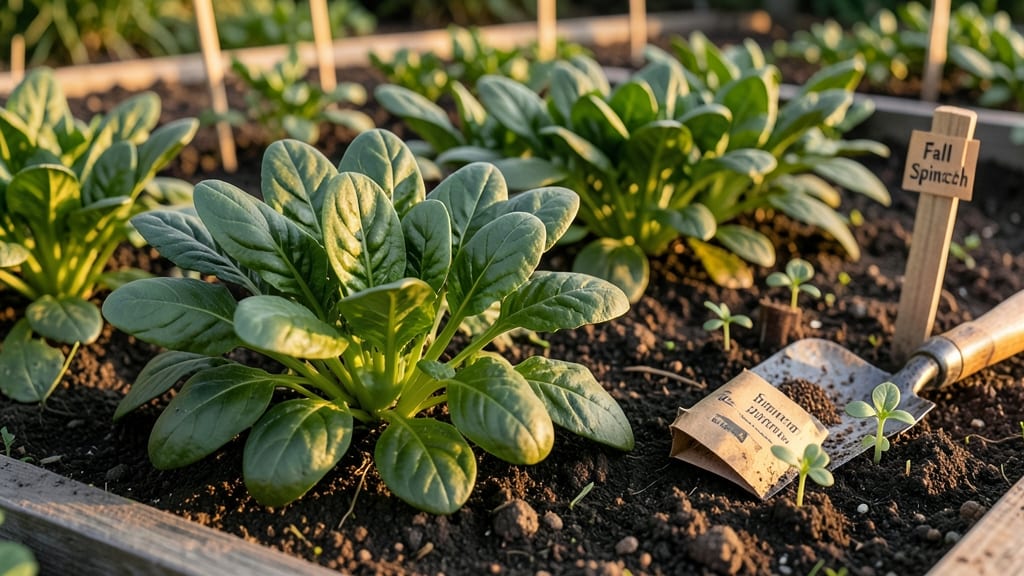
Timing your fall spinach planting in Zone 6 can make or break your harvest—plant too early, and you’ll get bitter leaves; too late, and frost steals your crop. The sweet spot? Aim for mid-August to early September, when days shorten but soil stays warm enough for strong roots.
This window gives your 🥬 4-6 weeks to mature before the first frost hits around mid-October. I’ve learned the hard way that rushing or waiting too long means sacrificing flavor and yield.
The key is balancing heat tolerance and cold hardiness—spinach needs warmth to sprout but can handle light frost once established.
Don’t stress if your fall weather throws curveballs. Succession planting in late August and early September lets you stagger harvests, while cold-resistant varieties like ‘Bloomsdale’ or ‘Tyee’ buy you extra time.
I’ll show you exactly how to adjust for your Zone 6 microclimate—because even a 10-day delay can mean the difference between a garden full of greens and a sad, frost-nipped disappointment.
Ready to grow spinach that’s tender, sweet, and ready to harvest? Let’s dive into the exact planting schedule, soil prep, and spacing tricks that’ll turn your fall garden into a leafy-green machine—no guesswork required.
Optimal planting windows for fall spinach in Zone 6 (with exact weeks before frost)
Timing is everything when growing fall spinach in Zone 6. Plant too early, and your crop will bolt from summer heat; too late, and frost will ruin tender leaves. The sweet spot is 4-6 weeks before your first frost—typically mid-August to early September in most Zone 6 regions.
Zone 6’s average first frost date falls around October 15, but local microclimates can shift this by 1-2 weeks. For example, St. Louis averages frost by October 20, while Chicago sees it earlier, around October 10.
Adjust your planting window accordingly to avoid bitter bolting or frost damage.
For peak flavor and continuous harvests, consider succession planting. Start with an early batch in late July (using fast-maturing varieties like 'Space') and follow with a main crop in mid-August. This ensures fresh leaves through November.
Soil temperature is just as critical as air temperature. Spinach thrives in cooler soil (50-65°F). If your soil stays above 75°F in late summer, wait until early September to plant. Test soil temps with a soil thermometer—it’s the best way to avoid heat stress.
🌱 Zone 6 Fall Spinach Planting Timeline
| Planting Window | Weeks Before Frost | Best Varieties | Notes |
|---|---|---|---|
| Late July | 8-10 weeks | 'Space' (30 days) | Early harvest; use row covers for heat protection. |
| Mid-August | 6-8 weeks | 'Bloomsdale' (45 days) | Main crop; ideal for bulk harvests. |
| Early September | 4-6 weeks | 'Tyee' (50 days) | Cold-hardy; extends harvest into winter. |
📅 Pro Tip: Use a frost calendar for your specific city to fine-tune dates.
If you’re aiming for a winter harvest, prioritize cold-hardy varieties like 'Tyee' or 'Winter Bloomsdale.' These can tolerate light frosts (20-25°F) and even improve in flavor after exposure. For a spring harvest, plant in early September—these plants will overwinter and resume growth in March or April.
Spacing is another critical factor for fall spinach. Sow seeds 1 inch apart in rows 12 inches apart to prevent overcrowding. Thin seedlings to 4-6 inches apart once they’re 2-3 inches tall. Proper spacing ensures good airflow, reducing disease risk and improving leaf quality.
Don’t forget to harden off seedlings if starting indoors. Move them outside for 1-2 hours daily starting 2 weeks before transplanting. This gradual exposure prevents transplant shock and helps them adjust to Zone 6’s cooler fall temps.
For extended harvests, use row covers or low tunnels to push your growing season later into fall. These protect against early frosts and can add 2-4 extra weeks of growing time. Just remove covers during the day to avoid heat buildup.
Finally, monitor your spinach for bolting signs—long stems or yellowing leaves. If this happens, harvest immediately or use leaves in cooked dishes where bitterness is less noticeable. With the right timing, you’ll enjoy tender, sweet spinach straight from your garden well into winter! 🥬
Optimal planting windows for fall spinach in Zone 6 (with exact weeks before frost)
Fall spinach in Zone 6 thrives when planted at the right time—too early, and you’ll battle bolting; too late, and frost ruins your harvest. The ideal window is 4-6 weeks before your first frost, typically between mid-August and early September.
For Zone 6, this usually lands in late August for most regions, but local frost dates can shift this by 1-2 weeks.
Spinach grows best when soil temperatures stay below 75°F but don’t drop below 40°F. In Zone 6, this means avoiding July plantings (heat stress) while still giving seedlings enough time to mature before October’s first frost.
A 45-day variety planted in early September will often survive light frosts, while 60-day varieties need an earlier start.
📅 Fall Spinach Planting Timeline for Zone 6
| Planting Window | Weeks Before Frost | Soil Temp (°F) | Notes |
|---|---|---|---|
| Early August | 8-10 weeks | 65-75°F | Risk of bolting; best for slow-maturing varieties |
| Mid-to-late August | 5-7 weeks | 60-70°F | Optimal for most Zone 6 varieties |
| Early September | 3-5 weeks | 55-65°F | Cold-hardy varieties only; harvest before frost |
For a continuous harvest, stagger plantings every 2 weeks from mid-August through early September. This ensures fresh leaves even as some varieties mature faster. For example, plant ‘Tyee’ spinach (45 days) in late August and ‘Bloomsdale’ (55 days) in early September to extend your season.
If your first frost arrives earlier than expected (like mid-October), focus on cold-tolerant varieties like ‘Space’ spinach, which can handle 20°F temperatures. Always check your local USDA frost date map—Zone 6 can vary from October 5 to October 20 depending on elevation and microclimates.
Pro tip: Use a row cover to protect tender spinach from light frosts (28-32°F). This buys you 2-3 extra weeks of harvest time, even if temperatures dip. Just remove covers during the day to prevent overheating.
Remember, soil prep matters just as much as timing. Amend your beds with compost and a balanced fertilizer (5-10-10) before planting. Spinach loves rich, slightly acidic soil (pH 6.5-7.0), and well-prepped beds give seedlings the best start for a sweet, bolt-resistant harvest. 🌱