
Planting
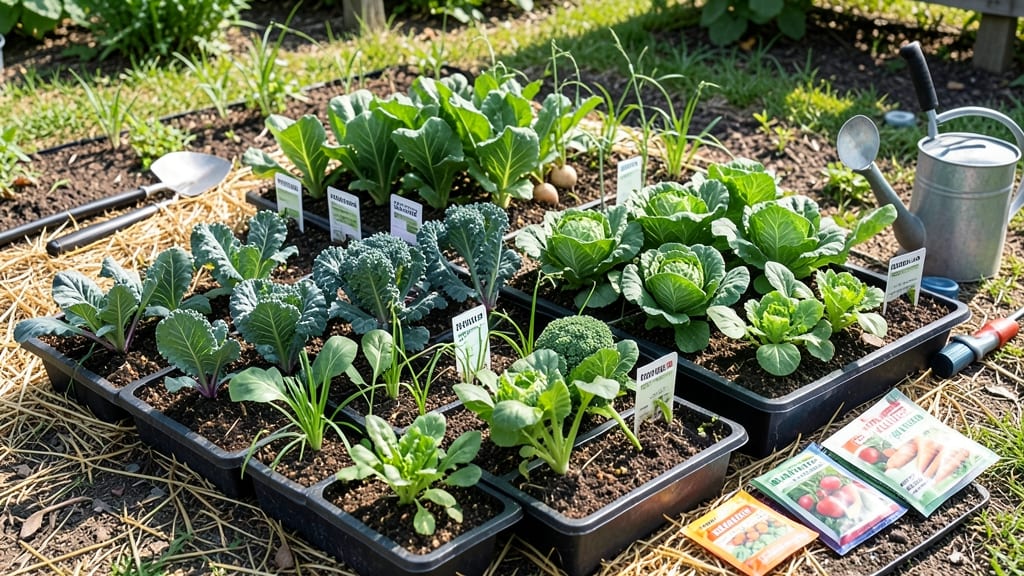
Planting your fall garden in Florida at the wrong time can mean the difference between a bountiful harvest and wilting disappointment before you even break ground.
The key isn't just avoiding summer's brutal heat—it's knowing exactly when to start seeds or set out transplants in your specific heat zone to maximize growth speed.
With Florida's 8a-11 climate and 300+ frost-free days, you've got a longer window than most—but that doesn't mean you can plant whenever you feel like it.
The August-October window exists for a reason: soil temperatures drop below 85°F, humidity eases up, and your 🥬 fall vegetables finally get the ideal conditions they crave.
I've tested these timing strategies across North, Central, and South Florida, and what works in Zone 8a (like Jacksonville) fails spectacularly in Zone 10a (like Miami). Let me show you the exact deadlines you need to hit for fast germination and a garden that thrives through December.
Ready to skip the guesswork? We'll cover region-specific planting charts, the top 5 fastest-growing fall crops for Florida, and how to adjust your watering schedule the moment you put those seeds in the ground—because even Florida's fall weather has its quirks.
Florida heat Zone planting deadlines for fall vegetables by region
Florida’s diverse heat zones (8a–11) mean your fall planting window depends on where you live. Unlike northern states, Florida rarely faces frost, but soil temperatures and humidity still dictate success.
Planting too early in sweltering August heat can scorch seeds, while waiting too long risks hurricane season disruptions or reduced harvests before winter. Let’s break down the optimal planting deadlines for North, Central, and South Florida.
In North Florida (Zones 8a–8b), like Jacksonville or Gainesville, your window is shorter but critical. The last safe planting date for heat-sensitive crops like lettuce or spinach is mid-October to avoid light frosts (rare but possible by January).
For heat-tolerant varieties (e.g., collards, mustard greens), you can push seeds into early November. Meanwhile, Central Florida (Zones 9a–9b), including Orlando and Tampa, enjoys a longer window—late August through mid-November—thanks to milder nights.
Down in South Florida (Zones 10a–11), like Miami or Fort Lauderdale, you’re in luck: fall planting stretches from July to December, with minimal frost risk. However, hurricane season (June–November) means prioritizing fast-growing crops (e.g., radishes, bush beans) over slow starters like broccoli.
Always check the National Hurricane Center before sowing seeds in September or October.
Soil temperature is your real deadline, not the calendar. Use a soil thermometer to aim for below 85°F—ideal for most fall crops. In North Florida, this often means waiting until late August, while South Florida gardeners can start as early as July. For transplants (like tomato or pepper seedlings), wait until nighttime temps drop below 75°F to prevent transplant shock.
Here’s a quick cheat sheet for last-minute planting by region. Miss these deadlines, and you’ll risk stunted growth or pest pressure from armyworms or aphids thriving in warm soil.
For transplants, like tomato or pepper starts, wait until nighttime temperatures consistently stay below 75°F.
In North Florida, this might mean delaying until September, while Central and South Florida can plant as late as October. Direct-sowing seeds (e.g., beans, peas, carrots) are more forgiving—just ensure soil temps are below 85°F and mulch heavily to retain moisture.
Pro tip: Use shade cloth (30–50% coverage) over seedlings in August to protect them from intense afternoon sun. This buys you an extra 2–3 weeks of planting time for heat-sensitive crops like lettuce or
Florida heat Zone planting deadlines for fall vegetables by region
Florida’s unique climate means North, Central, and South regions have different fall planting deadlines. While frost is rare, soil temperatures and humidity shifts dictate when to start seeds or transplant seedlings. Miss these windows, and your cool-season crops may struggle with heat stress or bolting.
For North Florida (Zones 8a-8b), the ideal window is mid-August to early October. This avoids the 90°F+ soil of summer while giving crops time to mature before rare frost risks in January.
In Central Florida (Zone 9a), you’ve got until late September for direct sowing, while South Florida (Zones 10a-11) can plant through October with minimal frost concerns.
| Region | USDA Zone | Last Safe Direct Sow | Transplant Window | Key Crop Tip |
|---|---|---|---|---|
| North Florida | 8a-8b | Mid-August | August-September | Use heat-tolerant lettuce (e.g., 'Black Seeded Simpson') |
| Central Florida | 9a | Late September | August-October | Start broccoli indoors in July for fall transplant |
| South Florida | 10a-11 | October | September-November | Plant carrots in partial shade to avoid bolting |
Soil temperature is your best guide—aim for below 85°F for seed germination. Use a soil thermometer to check before planting. In North Florida, wait until late August when daytime highs dip below 90°F.
For South Florida, you can push it to early October, but watch for hurricane season disruptions.
Pro tip: Shade cloth (30-50%) can buy you 2-3 extra weeks of planting time for heat-sensitive crops like spinach or radishes. Just remove it once temperatures stabilize. Also, mulch heavily with straw to keep roots cool and retain moisture during Florida’s dry fall spells.
Remember, transplants (like cabbage or kale) can handle slightly warmer soil than seeds. Start them 4-6 weeks before your region’s last direct-sow date. For example, Central Florida gardeners should transplant by late September to ensure harvest before December’s cooler snaps.
Timing isn’t just about months—it’s about microclimates. If your garden sits in a low-lying area, it may stay warmer longer. Use these deadlines as guidelines, then adjust based on your specific location’s heat patterns.
A few extra weeks of optimal growing conditions can mean the difference between bolted greens and a bountiful harvest.